Bio Citrus Bioflavonoids are naturally occurring plant compounds found in citrus peels, membranes, and juice. They include hesperidin, diosmin, naringin, and related flavonoids. A sliced orange reveals their setting: the colorful juice is only one part, while much of the flavonoid content sits in the pale inner peel.
Dr. Michael Aviram, a researcher known for studying citrus flavonoids, has stated, “Citrus flavonoids deserve attention, but they are not magic bullets.” This caution matters. Laboratory findings may suggest antioxidant and anti-inflammatory activity, yet human results can differ. Absorption also changes with food, preparation, dosage, and individual health.
This article examines what Bio Citrus Bioflavonoids are and how people use them. Some products appear as capsules, powders, or citrus-extract formulas. Others are consumed through whole fruits, although processing can alter their composition. The label can be confusing. “Citrus bioflavonoids” may describe a broad mixture, not one standardized ingredient.
Evidence is promising, but incomplete. That deserves honesty. Bioflavonoids should not replace prescribed treatment or a varied diet. People using medicines, managing chronic conditions, or considering concentrated supplements should seek qualified medical advice. Product quality also matters, including identification, purity, testing, and transparent dosage information.
The practical question is simple: what benefits are supported, and how should these compounds be used responsibly? The answer requires both scientific evidence and realistic expectations.
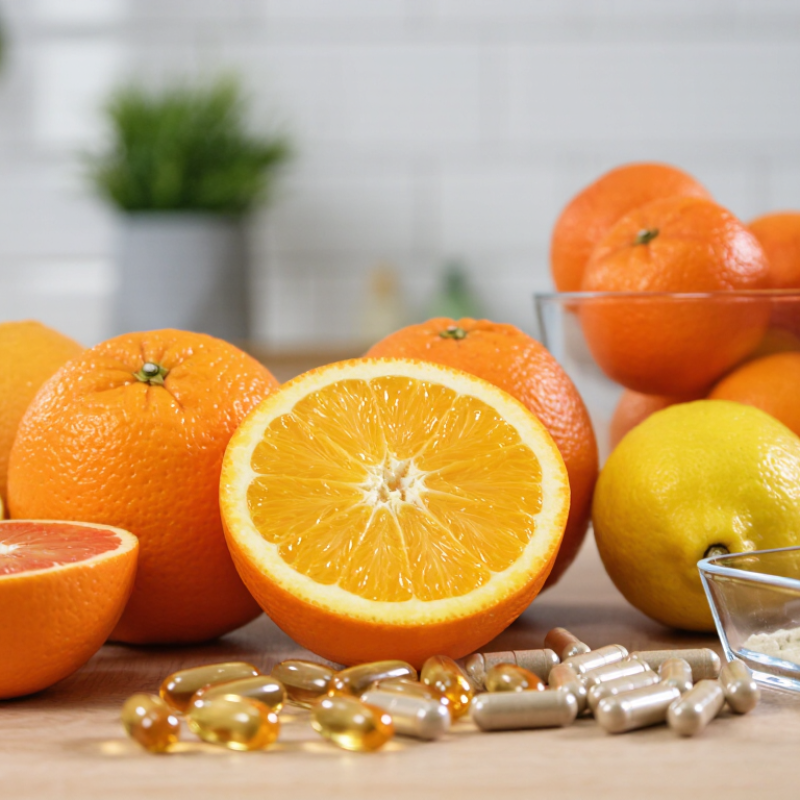
Bio citrus bioflavonoids are plant compounds found mainly in citrus fruits, peels, membranes, and juice. They are not one single nutrient. Common examples include hesperidin, eriocitrin, naringin, and narirutin. These flavonoids often occur alongside vitamin C and organic acids. According to USDA FoodData Central, one medium orange provides about 69.7 milligrams of vitamin C. However, that database does not establish a standard “bioflavonoid” amount.
The term “bio” is also not universally defined. It may suggest natural origin, improved absorption, or simply a marketing description. The science is less tidy. A peer-reviewed review in Nutrients reports that citrus flavonoid levels can change substantially with fruit variety, maturity, storage, and processing. Peel generally contains more flavonoids than juice, but it is not automatically better for every use. Extraction methods can change the final profile too.
In practice, these compounds appear in foods, beverages, and dietary supplements. Researchers study them for antioxidant activity and possible effects on inflammatory and vascular pathways. Human evidence remains uneven. Some studies use purified compounds, while others examine whole citrus foods. Those results should not be treated as interchangeable. The European Food Safety Authority has not established a general recommended daily intake for citrus bioflavonoids. A careful label should state the specific compounds and quantities. Otherwise, the wording may sound more precise than the evidence.
They are plant compounds found in oranges, lemons, limes, grapefruits, and mandarins. Common examples include hesperidin, naringin, eriocitrin, rutin, and diosmin. They may contribute to citrus color, bitterness, and chemical activity.
The white pith, inner membranes, and peels can contain more flavonoids than juice. Grapefruit peel and orange pith are practical examples. Fresh fruit and concentrated extracts are not chemically identical.
Yes, heat may reduce some compounds. Peel processing can also increase the amount available for extraction. Results depend on temperature, storage, maturity, and processing methods. The details matter.
Research examines antioxidant activity, inflammatory pathways, circulation, blood-vessel function, and healthy blood pressure. Some laboratory findings look promising. Human evidence remains uneven and sometimes comes from small, short studies.
No. They should not replace prescribed treatment or professional medical advice. Laboratory activity does not guarantee a health outcome. I would not overstate the evidence.
No universal dosage fits every compound or product. Follow the product label unless a qualified healthcare professional advises otherwise. More is not better. Product strength and extraction methods can differ.
High amounts may cause stomach discomfort, headaches, or loose stools. People with citrus allergies should take extra care. Stop use and seek medical help after swelling, breathing problems, or unusual bleeding.
Grapefruit-derived ingredients may affect certain medicines. This does not mean every citrus compound behaves the same way. Ask a pharmacist before use with blood thinners, blood-pressure medicine, or other prescriptions.
Check the exact bioflavonoid amounts, serving size, added ingredients, and expiration date. Independent quality testing offers useful reassurance. Introduce one supplement at a time and record stomach or skin changes. Labels can still leave important questions unanswered.
Bio Citrus Bioflavonoids are naturally occurring plant compounds found mainly in the peel and pulp of citrus fruits such as oranges, lemons, grapefruits, and limes. Common types include hesperidin, diosmin, eriocitrin, and naringin. These compounds often work alongside vitamin C and other antioxidants, helping the body manage oxidative stress and supporting normal cellular protection. Their activity may also contribute to healthy inflammatory balance and the maintenance of blood vessels and connective tissues.
Citrus bioflavonoids are commonly used in dietary supplements and functional nutrition products to support general wellness, immune function, circulation, and antioxidant intake. However, they should complement—not replace—a balanced diet and appropriate medical care. Dosage depends on the specific compound, product formulation, age, health status, and other supplements or medications being used. People who are pregnant, nursing, preparing for surgery, or taking prescription medicines should seek professional advice before use. Choose clearly labeled products and follow the recommended serving instructions.

 Chenlv Herb