The demand for high-quality citrus bioflavonoid complex products is rising globally. Buyers seek reliable sources from China, known for its diverse citrus production. This complex, rich in vitamins and antioxidants, offers numerous health benefits. Incorporating it into daily routines can enhance wellness in many ways.
China’s agricultural expertise plays a significant role in producing top-grade citrus bioflavonoid complex. However, selecting the right supplier can be challenging. Factors such as quality control and sourcing methods should be considered. Transparency in supply chains is vital for ensuring product safety and efficacy.
Buyers must conduct thorough research. Understanding the health claims associated with citrus bioflavonoid complex will help in making informed choices. Despite its potential, not all products on the market meet high standards. In a rapidly growing market, being discerning is essential for obtaining the best results.
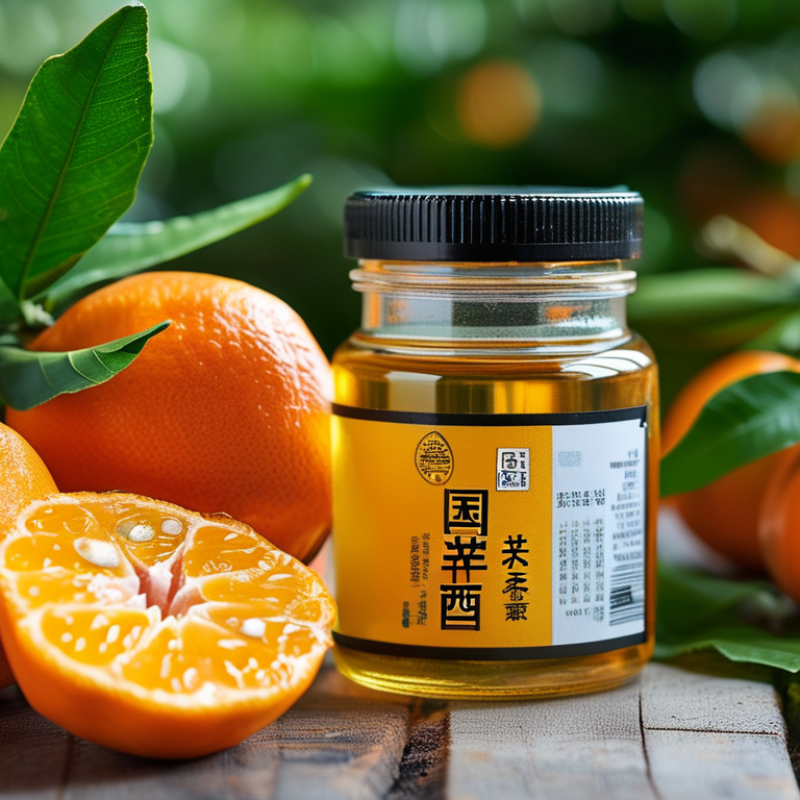
China stands out as a major player in the citrus bioflavonoid industry. With its favorable climate and abundant resources, the country dominates the global market. Many farms cultivate oranges and other citrus fruits specifically for bioflavonoid extraction. The production process is incredibly meticulous, ensuring high purity and quality.
One significant factor in China's success is its commitment to research. Experts constantly explore innovative extraction methods. This dedication enhances bioflavonoid quality, making Chinese products highly sought after. However, challenges remain. Competition from other countries is rising. Some producers may not adhere to strict quality standards. Buyers must be vigilant in their sourcing.
Sustainability is another concern. Not every farming practice in China meets environmental guidelines. The balancing act between productivity and ecological health is ongoing. International buyers would do well to consider sustainability in their purchasing decisions. As China's citrus bioflavonoid industry evolves, transparency will be key.
Citrus bioflavonoids have gained attention for their potential health benefits. These powerful compounds are found in fruits like oranges, lemons, and grapefruits. Research shows they may support immune function and reduce inflammation. This is a promising area for anyone looking to improve their overall wellness.
Studies indicate that citrus bioflavonoids can enhance the effectiveness of vitamin C. They may help the body absorb and retain this essential vitamin more effectively. However, not all studies agree on the extent of these benefits. Some researchers call for more extensive trials to fully understand their impact.
Bioflavonoids may also contribute to heart health. They have been linked to improved cholesterol levels and better circulation. Yet, one cannot overlook the varying responses among individuals. Factors such as diet and lifestyle play crucial roles in these outcomes. More research is needed to clarify these nuances. It’s essential to approach the consumption of bioflavonoids with informed curiosity and caution.
The demand for citrus bioflavonoid products is on the rise globally. According to a recent market report, the global citrus bioflavonoid market is expected to grow at a compound annual growth rate (CAGR) of 6.5% from 2022 to 2030. This growth is driven by an increasing awareness of the health benefits associated with citrus bioflavonoids, such as anti-inflammatory and antioxidant properties.
Consumers are actively seeking natural products that enhance their health. The interest in plant-based and functional foods has surged. Citrus bioflavonoids fit into this trend perfectly. In a survey conducted by the Nutraceuticals World, over 72% of respondents expressed interest in products that include bioflavonoids for enhanced nutrition. This statistic highlights the shift in consumer behavior towards health-focused ingredients.
However, challenges remain in educating consumers about the benefits of citrus bioflavonoids. Many potential buyers are still unaware of these compounds. Clarity around sourcing and effectiveness is also needed. Education and marketing strategies must evolve to address these gaps. As competition increases, companies must consider how to authentically communicate the benefits of citrus bioflavonoids.
| Country | Market Size (USD Million) | Growth Rate (%) | Consumer Demand Index (0-10) | Key Trends |
|---|---|---|---|---|
| United States | 1200 | 5.5 | 8.5 | Increased health awareness, demand for natural products |
| Germany | 600 | 4.8 | 7.9 | Strong market for dietary supplements |
| Japan | 750 | 3.2 | 9.0 | Focus on anti-aging products |
| Australia | 300 | 6.1 | 7.6 | Growing trend in organic products |
| Brazil | 200 | 7.0 | 6.5 | Emerging market with potential growth |
Citrus bioflavonoids are gaining traction globally. They are praised for their antioxidant properties and their role in enhancing vitamin C absorption. In China, the market is rapidly expanding. The Chinese Citrus Bioflavonoid Complexes adhere to several quality standards. This is essential for buyers seeking reliable products.
Quality certification is critical. ISO 22000 and HACCP certifications are popular. These standards ensure food safety management systems are followed rigorously. A report by ResearchAndMarkets indicates that the global bioflavonoids market will hit USD 1.3 billion by 2025. Such a spike means high demand for regulated and quality-certified products.
However, challenges exist. Not every supplier meets these growing standards. Some products may lack sufficient documentation. This can result in inconsistencies in active ingredient concentrations. Buyers should request certificates of analysis and third-party testing results. This transparency will help enhance trust in sourcing.
Citrus bioflavonoids have gained traction in global markets due to their health benefits. They are antioxidants found in citrus fruits. This complex offers potential to suppliers in China wanting to connect with international buyers.
In recent years, the demand for natural supplements has surged. Suppliers can tap into this trend by offering high-quality citrus bioflavonoids. Quality matters. Buyers look for products that are pure and effective. A reliable source can attract businesses seeking to enhance their product lines.
However, competition is fierce, and not all suppliers meet global standards. Some may lack proper certification or quality control measures. Buyers must conduct thorough research to ensure they partner with trustworthy suppliers. Transparency in sourcing and processing is essential for establishing credibility in the market, yet firms sometimes overlook this.
: China has a favorable climate and abundant resources, allowing extensive citrus fruit cultivation.
Increasing awareness of health benefits, such as anti-inflammatory and antioxidant properties, is driving market growth.
Yes, not all producers meet strict quality standards. Buyers must verify sourcing practices.
Some farming practices do not comply with environmental guidelines, affecting ecological health.
Request certificates of analysis and third-party testing results to verify product quality.
More consumers prefer natural, health-focused products, leading to an increase in demand.
It's vital to improve marketing strategies to inform buyers about the benefits of citrus bioflavonoids.
ISO 22000 and HACCP certifications help ensure the safety and quality of bioflavonoid products.
Transparency builds trust, helping buyers avoid suppliers with insufficient documentation.
Many buyers still lack awareness, indicating a need for better education on these compounds.
China has established itself as a leading producer and exporter of Citrus Bioflavonoid Complex, leveraging its vast agricultural resources and advanced extraction technologies. The growing body of scientific research highlights significant health benefits associated with citrus bioflavonoids, including antioxidant properties, anti-inflammatory effects, and potential cardiovascular benefits, which are driving increased consumer demand across global markets.
As market trends shift towards natural health products, the demand for high-quality Citrus Bioflavonoid Complex is on the rise. Chinese suppliers are focusing on meeting stringent quality standards and obtaining necessary certifications to enhance their competitiveness on the global stage. This presents ample trade opportunities for international buyers looking to source premium citrus bioflavonoid products, aligning with the burgeoning wellness trends worldwide.

Chenlv Herb