China Best Hesperidin and Rutin Manufacturer Supplier

Time:2026-09-17 Author:Ethan
0%

Choosing a reliable China Best Hesperidin and Rutin Manufacturer Supplier requires more than comparing prices. It demands evidence, practical experience, and consistent quality control. Hesperidin And Rutin are flavonoid ingredients commonly evaluated for their purity, appearance, solubility, and application suitability. A professional supplier should provide clear specifications, batch records, certificates of analysis, and traceable raw material information. These details help buyers assess whether each shipment meets agreed requirements.

Quality begins with controlled production. Suitable facilities should manage extraction, purification, drying, packaging, and storage under documented procedures. Testing may include identification, assay, moisture, microbiological limits, heavy metals, and residual solvents. Results should come from qualified laboratories using validated methods. Small details matter. A sealed inner bag, readable lot number, and dry warehouse can protect product integrity during transportation. However, no supplier should claim perfection. Natural botanical materials may show reasonable batch variation, and buyers should confirm acceptance limits before ordering.

An experienced Hesperidin And Rutin supplier also understands different customer needs. Food, beverage, cosmetic, and supplement manufacturers may require different particle sizes, concentrations, or documentation. Technical teams should respond clearly, not simply send a standard quotation. Samples, pilot testing, and stability discussions can reveal practical issues early. China offers broad manufacturing capacity, but capability must be verified through audits, independent testing, and transparent communication. The strongest supplier relationship is built gradually. It combines dependable production, honest limitations, responsive service, and documentation that supports responsible commercial decisions.
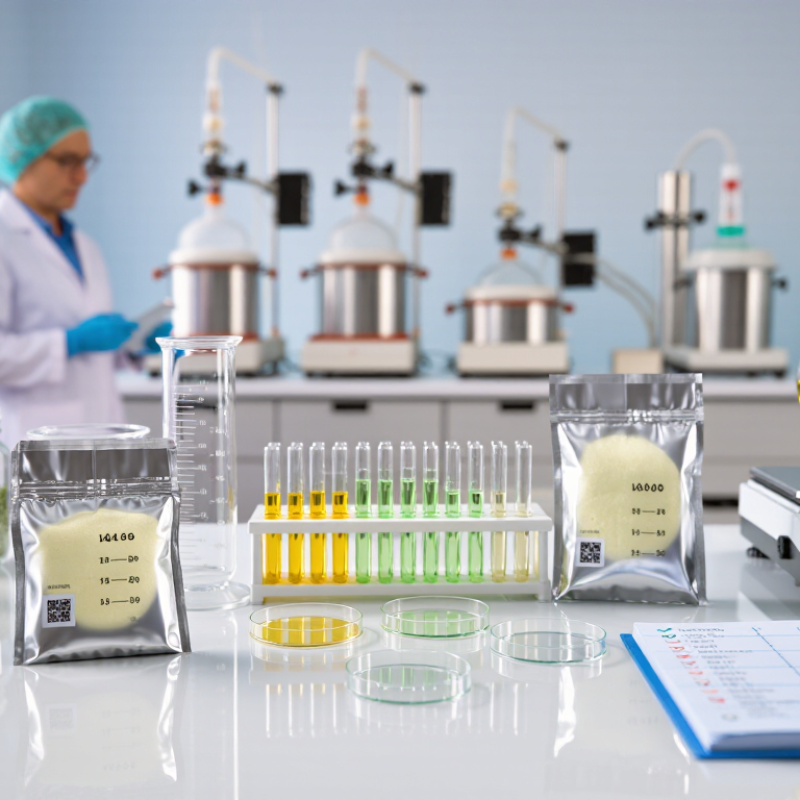
China Best Hesperidin and Rutin Manufacturer Supplier

What Are Hesperidin and Rutin?

Hesperidin and rutin are naturally occurring flavonoid glycosides found in many edible plants. Hesperidin is concentrated mainly in citrus fruits, especially orange peels and membranes. Rutin appears in buckwheat, apples, figs, and some citrus plants. Both compounds contain a flavonoid structure linked with sugar molecules. That structure influences their solubility, stability, and behavior in formulations.

They are often discussed for antioxidant and vascular-support research, but they are not interchangeable ingredients. Hesperidin may suit citrus-based formulations, while rutin can offer different processing characteristics and analytical results. In practical ingredient evaluation, identity testing should confirm the botanical source and chemical profile. Assay testing helps verify concentration. Moisture, residual solvents, heavy metals, pesticides, and microbial limits also require careful control. A clean-looking powder proves very little. Storage conditions matter too, because heat, light, and humidity may reduce quality over time. Some descriptions oversimplify these ingredients, and that deserves caution. Research findings do not automatically establish a specific health outcome. Reliable suppliers should provide traceable documentation, consistent batch testing, and clear specification data. Even then, product performance can vary between formulations, so ongoing verification remains important.

Natural Sources and Key Properties of Hesperidin and Rutin

Hesperidin and rutin are plant flavonoids with different natural identities. Hesperidin is a citrus flavanone glycoside, concentrated in orange, lemon, and grapefruit tissues, especially the white albedo beneath the peel. Rutin is a flavonol glycoside found in buckwheat, capers, apples, and some berries. The USDA Database for the Flavonoid Content of Selected Foods, Release 3.3, shows that food variety, growing conditions, and processing can change flavonoid values considerably. Numbers need context.

Their key properties also differ. Hesperidin is generally associated with citrus extracts and shows limited water solubility. Rutin has a recognizable polyphenolic structure and is often measured by HPLC. Published buckwheat surveys commonly report rutin from below 0.1% to above 1% of dry weight, depending on cultivar and plant part. That range is not a minor detail. EFSA’s scientific assessments have also stressed that laboratory antioxidant activity does not automatically prove a human health benefit.

For a reliable hesperidin or rutin supplier, raw-material identification should include botanical origin, extraction method, assay value, moisture, residual solvents, heavy metals, and microbiological limits. AOAC-aligned methods and validated HPLC testing improve comparability between batches. In practice, citrus peel can carry more target compound than juice, while buckwheat leaves may outperform seeds. This creates a sourcing challenge. I would not treat a single certificate as complete evidence; seasonal variation and extraction conditions still require review.

Hesperidin and Rutin: Natural Sources and Molecular Composition

Hesperidin is a citrus flavanone glycoside commonly found in oranges, lemons, and other citrus fruits, especially in the peel and white pith. Rutin is a flavonol glycoside naturally present in buckwheat, apples, citrus fruits, and some tea plants. Both compounds contain 610 g/mol molecular mass, while their carbon, hydrogen, and oxygen atom counts differ slightly.

How Hesperidin and Rutin Are Manufactured in China

China Best Hesperidin and Rutin Manufacturer Supplier

How Hesperidin and Rutin Are Manufactured in China

In China, hesperidin is commonly produced from citrus peel, while rutin often comes from buckwheat or other botanical materials. Manufacturers begin by sorting, washing, and drying the plant material. Controlled extraction then separates the target flavonoids from fibers, sugars, and pigments. Water or food-compatible solvents may be used, depending on the process design.

The extract passes through filtration, concentration, and purification stages. Crystallization can improve purity and create a more consistent powder. After drying, technicians test appearance, moisture, identification, assay, and microbiological quality. Reliable facilities also review heavy metals, residual solvents, and batch records. HPLC testing is widely used for confirmation. However, a clean-looking powder is not proof of quality. Raw material variation still matters.

Tips: Ask for the botanical source, extraction method, specification sheet, and recent test report. Check whether the report matches the actual batch. Production records should be traceable from raw material intake to final packaging. No process is perfect. A thoughtful supplier explains deviations instead of hiding them. Packaging should protect the powder from humidity, light, and contamination during storage and transport. Clear communication about particle size, purity, and intended application can prevent costly misunderstandings. Supplier audits and sample testing add practical confidence before larger orders.

Quality Standards for Hesperidin and Rutin Products

China Best Hesperidin and Rutin Manufacturer Supplier

Quality starts with evidence, not appearance. Hesperidin and rutin should be confirmed by HPLC fingerprinting and reference standards. Published analytical studies commonly report assay levels above 98% for purified materials. However, 98% is a commercial target, not a universal legal limit. The WHO Quality Control Methods for Herbal Materials separates testing into identity, purity, and contaminant control. A reliable supplier should provide batch-specific COAs, including assay, moisture, residual solvents, heavy metals, pesticides, and microbial results. The test method, laboratory qualification, and sampling date also matter.

Manufacturing controls should follow a documented quality system. ISO 22000:2018 emphasizes hazard analysis, traceability, and corrective actions across the supply chain. For botanical extracts, origin records should identify the plant part, extraction solvent, and concentration ratio. Rutin can darken under poor storage conditions, while hesperidin may show inconsistent dispersion. These details need practical monitoring, not attractive wording. One weakness remains common: some COAs show only an assay number. That is not enough to judge stability or authenticity.

Tips: Request the latest three batch records. Compare assay variation, not only the highest result. Check whether HPLC conditions are clearly stated. Confirm storage temperature and packaging materials. Ask for contaminant testing from an independent laboratory when the application is sensitive. Even experienced buyers should review specifications periodically, because supplier consistency can change.

How to Choose a Reliable Chinese Supplier and Manufacturer

China Best Hesperidin and Rutin Manufacturer Supplier

Choosing a reliable Chinese supplier requires more than comparing prices. Start with raw-material traceability, production records, and independent test results. Hesperidin commonly comes from citrus peels, while rutin may come from buckwheat or botanical extracts. The USDA Foreign Agricultural Service reported global citrus production near 170 million metric tons in 2024/25. That scale supports supply, but it does not guarantee consistent flavonoid quality.

Ask for a complete certificate of analysis for every batch. It should show assay results, moisture, microbial limits, heavy metals, residual solvents, and pesticide screening. High-performance liquid chromatography is important for confirming hesperidin and rutin identity. Request the testing method, not only the final number. A professional manufacturer should explain sampling, storage, and retesting procedures clearly. Vague answers are warning signs.

Visit the facility when possible. Review extraction areas, warehouse conditions, calibration records, and change-control procedures. Check whether the supplier follows GMP principles and maintains ISO-based quality systems. The WHO Good Manufacturing Practices guidance emphasizes documented processes, hygiene, equipment control, and traceability. A low quotation can look attractive. It may also conceal weak testing or unstable sourcing. I would test pilot batches before signing a large contract. One weakness remains: supplier audits are only snapshots. Continued batch monitoring is still necessary.

China Best Hesperidin and Rutin Manufacturer Supplier - How to Choose a Reliable Chinese Supplier and Manufacturer
Evaluation Dimension Hesperidin Reference Rutin Reference What a Reliable Supplier Should Provide Recommended Verification
Product identity Hesperidin is a citrus-derived flavanone glycoside. Rutin is a flavonol glycoside commonly found in buckwheat and some citrus materials. A clear product name, plant source, botanical part, extraction method, and grade designation. Compare the product specification with the certificate of analysis (COA), technical data sheet, and sample label.
CAS number 520-26-3 153-18-4 The CAS number should match the material supplied and appear consistently on technical and quality documents. Confirm the CAS number through an independent chemical reference database and laboratory identity testing.
Molecular formula and relative molecular mass C28H34O15; approximately 610.57 g/mol C27H30O16; approximately 610.52 g/mol Accurate identity information and a specification appropriate for the intended application. Use HPLC, LC-MS, or another validated analytical method where appropriate.
Typical appearance Usually a yellow to pale yellow powder. Usually a yellow to greenish-yellow powder. The appearance range should be defined in the specification, with controls for foreign matter and visible contamination. Inspect a retained sample and compare it with the approved specification; visual appearance alone is not sufficient for identity confirmation.
Solubility considerations Hesperidin has limited solubility in water at room temperature. Rutin is only slightly soluble in water and may require suitable formulation conditions. Technical guidance on particle size, dispersion, formulation compatibility, and storage conditions. Request a method-specific solubility or dispersion test rather than relying on a general marketing statement.
Assay and purity testing Assay should be defined by a validated chromatographic method and stated on the product specification. Assay should be defined by a validated chromatographic method and stated on the product specification. Batch-specific COAs with test method, result, specification limit, production date, and lot number. Verify the COA with an independent laboratory, especially for the first order or a new production lot.
Contaminant control The same contaminant controls generally apply as for other botanical-derived ingredients. The same contaminant controls generally apply as for other botanical-derived ingredients. Documented limits and test results for heavy metals, pesticides, residual solvents, microbiological quality, and other risks relevant to the application. Check the analytical method, reporting units, laboratory qualification, and whether the limits match the destination-market requirements.
Traceability and raw-material sourcing Source traceability is particularly important when citrus materials are used. Source traceability is important when buckwheat or other botanical materials are used. Lot-level records linking raw materials, extraction, processing, testing, packaging, and shipment. Request a sample traceability record or conduct a documented supplier audit.
Quality management system Quality requirements depend on the intended use, such as food, dietary supplement, cosmetic, or research use. Quality requirements depend on the intended use, such as food, dietary supplement, cosmetic, or research use. Current quality certificates, documented SOPs, change control, deviation handling, complaint procedures, and corrective-action records. Confirm certificate scope and validity; do not treat an undated or scope-free certificate as proof of compliance.
Manufacturing capability Extraction and purification conditions can affect color, assay, moisture, and impurity profile. Extraction and purification conditions can affect color, assay, moisture, and impurity profile. A documented process description, in-process controls, validated cleaning procedures, and consistent batch records. Ask whether production is performed in-house or subcontracted and identify all critical processing sites.
Packaging and storage Protect from moisture, excessive heat, and prolonged exposure to light according to the approved specification. Protect from moisture, excessive heat, and prolonged exposure to light according to the approved specification. Food- or pharmaceutical-suitable packaging where required, tamper evidence, lot identification, net weight, and defined storage conditions. Review packaging materials, shelf-life data, transport conditions, and storage instructions before purchase.
Sample and commercial-batch consistency Color, flowability, particle size, and assay may vary if processing is not well controlled. Color, flowability, particle size, and assay may vary if processing is not well controlled. A retained reference sample and defined release criteria for every production lot. Test a pre-shipment sample and compare it with the approved sample using the same analytical methods.
Commercial documentation Documentation should reflect the exact material and intended application. Documentation should reflect the exact material and intended application. Provide specification, COA, safety data sheet, origin statement, allergen statement where applicable, and regulatory support documents. Ensure all documents use the same product name, lot number, manufacturing date, and declared grade.

FAQS

What are hesperidin and rutin?

They are naturally occurring flavonoid glycosides found in edible plants. Their structures include flavonoids linked to sugar molecules.

Where does hesperidin usually come from?

Hesperidin commonly comes from citrus peel and membranes, especially orange materials. Plant source affects its chemical profile and processing behavior.

Which plants commonly provide rutin?

Rutin often comes from buckwheat, apples, figs, and some citrus plants. Buckwheat is a frequent manufacturing source.

Are hesperidin and rutin interchangeable?

No. They differ in botanical sources, chemical profiles, solubility, stability, and processing characteristics.

How are these ingredients manufactured?

Plant materials are sorted, washed, and dried. Controlled extraction separates target compounds from fibers, sugars, and pigments.

What happens after extraction?

The extract undergoes filtration, concentration, and purification. Crystallization may improve purity and produce a more consistent powder.

Which tests help verify product quality?

Testing may include identification, assay, moisture, microbiological limits, heavy metals, pesticides, and residual solvents. HPLC is widely used.

Does a clean-looking powder prove quality?

No. Appearance alone reveals little. Batch testing and traceable records provide stronger evidence.

How should the powder be stored?

Protect it from heat, light, humidity, and contamination. Suitable packaging matters during storage and transport.

What should buyers request from a supplier?

Request the botanical source, extraction method, specification sheet, and recent batch report. Check that documents match the supplied batch.

Can product performance vary between formulations?

Yes. Different formulations may behave differently, even with similar assay results. Ongoing verification remains useful.

What is an honest limitation in quality control?

Raw materials naturally vary. The process is controlled, but never magically perfect. Deviations should be explained, not hidden.

Conclusion

Hesperidin And Rutin are naturally occurring flavonoids widely valued for their antioxidant properties and potential role in supporting healthy circulation and overall wellness. Hesperidin is commonly associated with citrus fruits, while rutin can be found in buckwheat, apples, and several other plants. Their applications include dietary supplements, functional foods, cosmetics, and pharmaceutical research.

China has established manufacturing capabilities for Hesperidin and Rutin through controlled extraction, purification, drying, and quality testing processes. Reliable products should be evaluated for identity, purity, active content, moisture, microbiological safety, heavy metals, and batch-to-batch consistency. When choosing a Chinese manufacturer or supplier, buyers should consider production experience, transparent documentation, testing procedures, quality management systems, production capacity, packaging options, and communication efficiency. A dependable supplier should also provide clear specifications, traceable raw materials, representative samples, and professional support to help customers select products that meet their intended application and relevant market requirements.


Ethan

Ethan

Ethan is a seasoned marketing professional with a deep expertise in our company's innovative product line. With a passion for sharing knowledge and insights, he takes the lead in regularly updating our corporate blog, where he explores industry trends, product features, and effective marketing......