Choosing the right Citrus Flavonoids Supplements requires more than reading a bright label or trusting a fruit image. Citrus flavonoids include hesperidin, diosmin, naringin, and related compounds. Their forms, doses, and intended uses can differ substantially. The National Institutes of Health Office of Dietary Supplements notes that supplement evidence and product quality may vary across ingredients and manufacturers. That uncertainty matters.
Demand is also expanding. The Council for Responsible Nutrition’s 2023 consumer survey reported that 74% of U.S. adults use dietary supplements. However, popularity is not proof of effectiveness. Industry market reports from Grand View Research and similar analysts describe continued growth in botanical and flavonoid-based ingredients, yet their estimates differ by definition, region, and product category. Numbers need context.
Look at the details.
A credible product should state the exact flavonoid, standardized amount, serving size, and extraction source. A vague “citrus complex” may hide meaningful differences. Check whether the label identifies hesperidin or another target compound in milligrams, rather than listing only total citrus powder. Third-party quality verification from organizations such as USP or NSF can strengthen confidence, although certification does not guarantee a clinical benefit.
Safety deserves equal attention. Citrus ingredients may interact with medicines, and individual tolerance can vary. Grapefruit-related compounds are especially relevant because they can affect certain drugs. Professional guidance is sensible for people taking prescriptions, managing chronic conditions, or preparing for surgery. This guide compares evidence, label transparency, testing, and practical value. It will not promise miracles. Some claims remain preliminary, and better human trials are still needed.
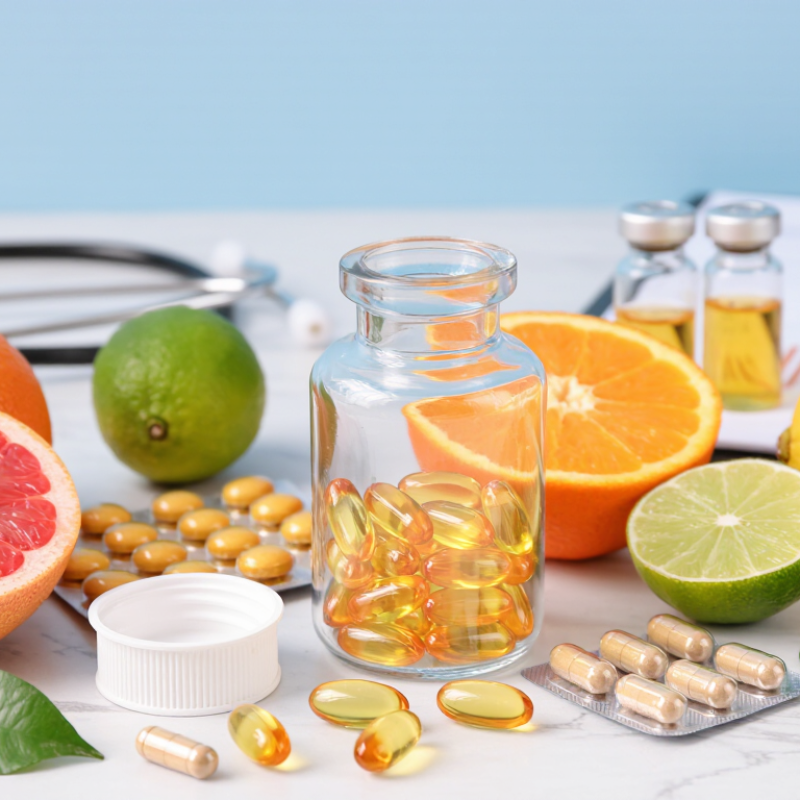
Citrus flavonoids are plant compounds found in oranges, lemons, grapefruit, and related fruits. Common examples include hesperidin, naringin, and eriocitrin. They help create the bitter taste in citrus peel and membranes. In the body, these compounds may influence antioxidant defenses, inflammatory signaling, and blood-vessel function. They do not act like one simple switch. Digestion, dosage, and individual metabolism can change their effects. Evidence from laboratory and human studies is encouraging, but it remains uneven. That matters.
When choosing a supplement, check the exact flavonoid, amount per serving, and extraction method. A clear label is more useful than a dramatic promise. Look for independent quality testing and a batch number. Some products combine flavonoids with vitamin C or other plant extracts. This can make results harder to interpret. Grapefruit-derived compounds may affect certain medicines by altering drug metabolism. Ask a qualified healthcare professional before use, especially during pregnancy or with liver, kidney, or prescription medicine concerns. Natural does not automatically mean risk-free.
Tips: Start with a modest serving and follow the label. Keep a simple record of timing, dosage, and changes you notice. Choose products that disclose testing information. Avoid judging effectiveness after one day. Personal experience can help, but it is not proof. Even experts can overread limited studies, so leave room for doubt.
Citrus flavonoid supplements may support several health goals, but their effects are usually modest. Hesperidin, naringin, and related compounds have antioxidant and vascular activities. A 2022 systematic review in Nutrients reported small improvements in blood pressure and endothelial function from citrus flavonoid intake. Results varied across studies. Dosage, formulation, and participant health differed.
For circulation goals, hesperidin may help maintain flexible blood vessels and healthy blood flow. Some controlled trials used about 500 milligrams daily for several weeks. That does not guarantee the same response in every user. For metabolic health, citrus flavonoids may influence inflammation and glucose handling. A 2023 review in Frontiers in Nutrition described promising findings, yet human evidence remains incomplete. Weight loss should not be treated as a proven outcome.
Skin and immune support are common reasons for choosing these supplements. Their antioxidant activity may help protect cells from oxidative stress, but supplements cannot replace fruit, vegetables, sleep, or medical care. The European Food Safety Authority has also emphasized that many proposed flavonoid health claims lack sufficient evidence for approved wording. That matters. Choose products with clearly stated flavonoid amounts, independent quality testing, and transparent safety information. People using blood-thinning medicines, managing blood pressure, or preparing for surgery should ask a qualified clinician first. More research is still needed, especially on long-term use and combined formulas.
| Health Goal | Citrus Flavonoids Commonly Studied | What the Evidence Suggests | What to Check When Choosing | Realistic Expectation |
|---|---|---|---|---|
| Support for vein-related symptoms | Diosmin, often combined with hesperidin | Some clinical evidence for symptom relief | Check the exact flavonoids, amounts, and serving instructions. Ask a healthcare professional whether the product is appropriate for your symptoms. | Some preparations have been studied for symptoms such as leg heaviness or swelling. They are not a substitute for diagnosis or treatment of vein disease. |
| Cardiovascular health markers | Hesperidin; other flavanones such as naringin | Limited and mixed evidence | Look for a clearly stated amount per serving and avoid products that promise to treat high blood pressure or high cholesterol. | Research has examined blood pressure, blood lipids, and vascular measures, but results are not consistent enough to rely on supplements for disease prevention or treatment. |
| Metabolic health | Naringin, hesperidin, and other citrus flavanones | Early or inconclusive evidence | Prefer a transparent ingredient label and check with a clinician if you take medication or have a diagnosed metabolic condition. | Studies have explored metabolic markers, but citrus flavonoid supplements are not proven substitutes for established care, diet, or physical activity. |
| General antioxidant support | Hesperidin, eriocitrin, naringin, and citrus flavonoid blends | Biological activity is studied; specific health benefits remain uncertain | Check whether the label identifies the individual flavonoids and their quantities rather than listing only a proprietary blend. | Laboratory antioxidant activity does not by itself show that a supplement prevents illness or produces a noticeable benefit in people. |
| Immune support | Various citrus flavonoids | Insufficient evidence for a reliable supplement benefit | Be cautious of claims that a citrus flavonoid product prevents or treats infections. | No specific citrus flavonoid supplement has been established as a replacement for vaccination, medical care, or other evidence-based measures. |
| Overall product quality | Any single-flavonoid or multi-flavonoid formula | Quality depends on the product, not just the ingredient name | Choose a complete Supplement Facts label with amounts per serving, clear directions, lot information, and independent quality testing where available. Check allergens and other ingredients. | Products can differ in composition and dose. “Citrus bioflavonoids” alone may not identify which compounds or how much is included. |
| Safety and medication considerations | Especially products containing concentrated citrus extracts | Individual risks vary | Ask a healthcare professional before use if pregnant, breastfeeding, managing a medical condition, or taking medication. Grapefruit and some citrus products can interact with certain medicines. | Do not assume that a product is risk-free because it is plant-derived. Follow the label and stop use if you experience an adverse reaction. |
| Important: Evidence varies by flavonoid, formulation, dose, and health outcome. This table is for general information and is not medical advice; consult a qualified healthcare professional about personal needs and potential interactions. | ||||
Choosing a citrus flavonoid supplement starts with its source, not its fruit image. Citrus peel, pulp, seeds, and juice contain different compound profiles. Hesperidin is common in sweet orange, while naringin is more associated with grapefruit. Eriocitrin often appears in lemon materials. A 2023 review in Molecules reported substantial variation between citrus species, plant tissues, and extraction methods. More flavonoids do not automatically mean better value.
Compare the active compounds in milligrams, not only the total “citrus extract” weight. A label showing 500 mg of extract may provide little verified hesperidin. Look for assay methods, preferably HPLC, and clear standardization percentages. The U.S. Pharmacopeia’s dietary supplement quality guidance emphasizes identity, strength, purity, and contaminant testing. USDA FoodData Central also shows that flavonoid values vary across raw citrus foods, supporting caution when suppliers make broad source claims. Labels can mislead.
Extraction details deserve attention. Water, alcohol, and combined solvents can produce different flavonoid patterns. A 2022 review in Foods noted that processing and storage can change measured flavonoid concentrations. Ask whether testing covers heavy metals, microbes, pesticides, and batch consistency. I would also check whether the certificate matches the exact lot number. That small detail matters. My judgment can still be imperfect, because absorption depends on the compound, food intake, and individual metabolism. A supplement with fewer named compounds, stronger testing, and transparent sourcing may be the more defensible choice.
Citrus flavonoids include hesperidin, diosmin, naringin, and polymethoxylated flavones. Their quality can vary sharply between supplements. Look for the exact flavonoid, plant part, extraction method, and standardized percentage. A label saying “citrus complex” is frustratingly vague. Request a recent certificate of analysis showing identity, potency, microbes, heavy metals, and pesticides. Independent verification adds confidence, but it does not prove clinical effectiveness. FDA’s Current Good Manufacturing Practice rule, 21 CFR Part 111, requires documented manufacturing controls, while USP quality standards provide useful testing benchmarks. That distinction matters.
Dosage needs context. Human studies often use specific extracts, not interchangeable citrus powders. For example, trials involving hesperidin or diosmin may use several hundred milligrams daily, but doses depend on the compound and medical purpose. Follow the studied product instructions rather than copying a number from another bottle. The NIH Office of Dietary Supplements emphasizes that supplement evidence and safety can differ by ingredient. The 2023 Council for Responsible Nutrition survey reported that 74% of U.S. adults use supplements, increasing the importance of honest labeling.
Safety is personal.
Grapefruit-derived products may affect medicines through furanocoumarins, while flavonoids can also raise interaction concerns. Ask a pharmacist before combining them with anticoagulants, blood-pressure medicines, or prescription drugs. Avoid high doses during pregnancy, before surgery, or with liver and kidney disease without medical advice. I would not treat a clean label as proof of benefit. Some products still provide too little information.
Choosing the right citrus flavonoid supplement starts with your specific goal, not a colorful bottle. Hesperidin, diosmin, naringin, and eriocitrin have different research histories and may not serve the same purpose. Look for the exact flavonoid, its amount per serving, and whether the label identifies a standardized extract. More is not automatically better. For general nutritional support, a simpler formula may be easier to evaluate than a blend with ten ingredients.
Check testing details carefully. An independent certificate can help confirm identity, purity, and contaminants, although testing quality still varies. Choose clear lot numbers, expiration dates, storage directions, and manufacturer contact information. A bitter taste or mild stomach discomfort can occur, especially on an empty stomach. Taking the supplement with food may help. That advice is practical, not universal.
Supplements can interact with medicines. People with kidney disease, bleeding disorders, pregnancy, or citrus allergies should seek professional advice before use. A pharmacist or clinician can review doses and possible interactions alongside your current diet. Be cautious about products promising rapid circulation, detoxification, or disease cures. Those claims often outrun the evidence. Research may support one extract for one condition, but not every citrus flavonoid product. Keep notes about any changes, because memory is an unreliable measuring tool.
Use this practical comparison framework when reviewing a citrus flavonoid supplement label. The criteria reflect common quality and suitability considerations; the percentage weights are illustrative priorities rather than clinical efficacy ratings.
Look for clearly identified flavonoids such as hesperidin, naringin, eriocitrin, or diosmin, a stated amount per serving, transparent ingredient information, and independent quality testing. Citrus flavonoids do not have an established Daily Value, so compare products by the specific compounds and quantities listed rather than by vague “citrus complex” claims.
Citrus flavonoids are plant compounds found in oranges, lemons, grapefruit, and similar fruits. Examples include hesperidin, naringin, and eriocitrin. They may influence antioxidant defenses, inflammation, and blood-vessel function. Their effects are not simple.
They may support healthy blood flow, vascular function, and antioxidant protection. Some studies found small improvements in blood pressure or endothelial function. Results differ by dose, extract, and individual health. Weight loss is not proven.
No. Whole fruits provide fiber, water, vitamins, and other useful compounds. Supplements cannot replace balanced meals, sleep, exercise, or medical care. That distinction is easy to forget.
Check the exact flavonoid, amount per serving, plant part, and extraction method. A vague “citrus complex” label gives limited useful information. Look for batch details and independent testing information. Clear labels help.
A certificate of analysis may show identity, potency, microbes, heavy metals, and pesticides. Independent verification increases confidence in manufacturing quality. It does not prove the supplement will improve health. Quality is not effectiveness.
Human studies often use specific extracts, not ordinary citrus powders. Some research used several hundred milligrams daily, depending on the compound. Follow the product’s directions instead of copying another product’s dose. Start modestly.
Grapefruit-derived compounds may change how some medicines are processed. Other flavonoids may also raise interaction concerns. Ask a pharmacist before combining supplements with blood-thinning or blood-pressure medicines. Do not guess.
Ask a qualified clinician during pregnancy, before surgery, or with liver or kidney disease. Professional advice also matters when taking prescription medicines. Keep a simple record of timing, dose, and noticeable changes. One day proves little.
Citrus Flavonoids Supplements contain naturally occurring plant compounds found in citrus fruits, such as flavonoids that may help support the body’s antioxidant defenses and healthy inflammatory balance. Their potential benefits may include supporting cardiovascular wellness, circulation, immune function, and overall cellular health. However, results can vary depending on the specific flavonoid, its concentration, and individual needs.
When comparing Citrus Flavonoids Supplements, review the source, active compounds, extraction methods, and standardized content rather than relying only on a high milligram amount. Choose products with clear ingredient labels, transparent quality testing, and dosage guidance based on responsible nutritional practices. Consider your personal health goals, dietary preferences, allergies, and any medications you take. Although these supplements may complement a balanced diet and healthy lifestyle, they should not replace professional medical care. Consult a qualified healthcare professional before use, especially if you are pregnant, managing a health condition, or taking prescription medication.

Chenlv Herb