Citrus Bioflavonoids For Skin have gained considerable attention in the skincare industry. These powerful compounds, extracted from citrus fruits, offer significant antioxidant and anti-inflammatory properties. A report by the Journal of Clinical and Aesthetic Dermatology states that bioflavonoids can enhance skin health by combating oxidative stress. This is critical, as oxidative stress contributes to skin aging and various skin disorders.
The efficacy of Citrus Bioflavonoids For Skin lies in their ability to improve skin elasticity and hydration. According to the National Institutes of Health, flavonoids promote collagen synthesis, which is essential for maintaining youthful skin. However, results may vary based on individual skin types and environmental factors. Not all citrus products are created equal, and some formulations may not deliver optimal results.
Using Citrus Bioflavonoids requires careful consideration. Incorporating these compounds into your routine can be beneficial, but it is crucial to choose high-quality products. Be aware that skin reactions may occur. Always perform a patch test before full application. This approach ensures that you reap the maximum benefits while minimizing potential challenges.
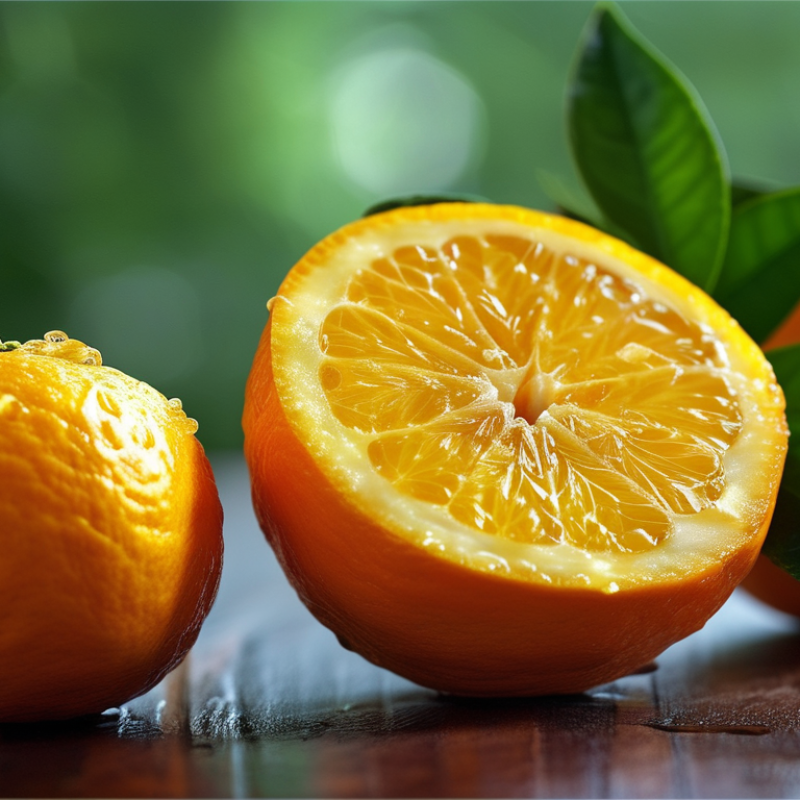
Citrus bioflavonoids are powerful compounds found in citrus fruits. They play a significant role in enhancing skin health. These antioxidants combat oxidative stress, which can lead to premature aging. Regular intake may help improve skin tone and texture.
Incorporating citrus bioflavonoids into your skincare routine can be beneficial. For instance, they support collagen production, promoting firmness. This can reduce the appearance of fine lines. Additionally, bioflavonoids can protect against UV damage. However, be aware that individual results may vary. Some may experience sensitivities or allergies.
Not everyone will see immediate changes. It's vital to pair them with a balanced diet and healthy habits. Consider consulting a dermatologist for tailored advice. Using citrus bioflavonoids is an evolving journey. Understanding your skin's needs is crucial.
| Benefit | Description | Sources | Usage |
|---|---|---|---|
| Antioxidant Protection | Fights free radicals and reduces oxidative stress on skin cells. | Citrus fruits like oranges, lemons, and grapefruits. | Topical creams or dietary supplements. |
| Collagen Synthesis | Promotes skin elasticity and helps in the production of collagen. | Lemon peels, orange zest, and herbal teas. | Incorporate into your diet or use in skincare recipes. |
| Anti-inflammatory Properties | Reduces redness and irritation, making skin look healthier. | Citrus fruits, especially limes and tangerines. | Use in serums or face masks. |
| Brightening Effect | Helps to fade dark spots and even out skin tone. | Grapefruit juice and lemon oil. | Apply topical products containing citrus extracts. |
| Hydration | Keeps skin hydrated and prevents dryness. | Citrus-infused water and oils. | Drink citrus water or use citrus oils in moisturizers. |
: Citrus bioflavonoids are antioxidants found in fruits like lemons, oranges, and grapefruits.
You can eat these fruits, add zest to dishes, or brew citrus-infused water.
Supplements can provide them, but whole foods offer additional nutrients and fiber.
Yes, organic options reduce pesticide exposure and enhance health benefits.
Yes, some people may experience sensitivity. Conduct a patch test before use.
Try freshly squeezed lemon water for hydration and nutrients.
Yes, look for serums with lemon extract or orange peel oil to enhance skin texture.
Blend spinach, orange, and banana for a tasty and healthy breakfast option.
Consult a healthcare professional to find the right high-quality options for you.
A varied diet ensures balanced nutrition and maximizes the benefits of bioflavonoids.
Citrus bioflavonoids are natural compounds found in citrus fruits that offer numerous benefits for skin health. They act as powerful antioxidants, helping to protect the skin from damage caused by free radicals, improve blood circulation, and enhance the overall appearance of the skin. To reap these benefits, one can find citrus bioflavonoids in foods such as oranges, lemons, and grapefruits, and easily incorporate them into a daily routine through fresh fruit consumption or supplements.
Topical applications of citrus bioflavonoids can also be beneficial, as they can improve skin texture and tone when applied directly. However, it is essential to be aware of potential side effects and take precautions, such as conducting a patch test to avoid any allergic reactions. Incorporating citrus bioflavonoids for skin health can lead to a radiant and youthful complexion when used wisely and consistently.

 Chenlv Herb