Bruising can appear after a minor bump, firm massage, exercise, or medical procedure. The color may shift from red-purple to greenish yellow as the body clears trapped blood. This everyday process has created growing interest in Citrus Bioflavonoids For Bruising products, especially formulas featuring hesperidin, rutin, diosmin, and citrus polymethoxylated flavones.
Dr. Paul A. Kroon, a recognized researcher in flavonoid metabolism, offers an important perspective: “A high flavonoid content does not automatically mean high bioavailability.” That warning deserves attention. Citrus extracts can vary by fruit source, extraction method, standardization, and storage conditions. A bright label does not prove a stronger result. Real expertise begins with the ingredient panel.
This guide examines ten citrus bioflavonoids and related compounds used in bruising-focused products. It considers their antioxidant activity, potential support for capillary integrity, formulation quality, and available human evidence. Some ingredients have promising laboratory findings. Human data remain uneven. That matters.
The practical details are easy to miss. A reliable product should identify the citrus species, extract ratio, active compound, and testing method. It should also disclose allergens and unnecessary additives. Consumers should not apply oral supplements directly to damaged skin. Bruising that spreads quickly, appears without injury, or occurs with unusual bleeding needs medical evaluation.
The ranking is not absolute. Evidence changes. Product quality changes faster. This overview aims to make comparisons clearer, while acknowledging an uncomfortable truth: “natural” does not always mean predictable.
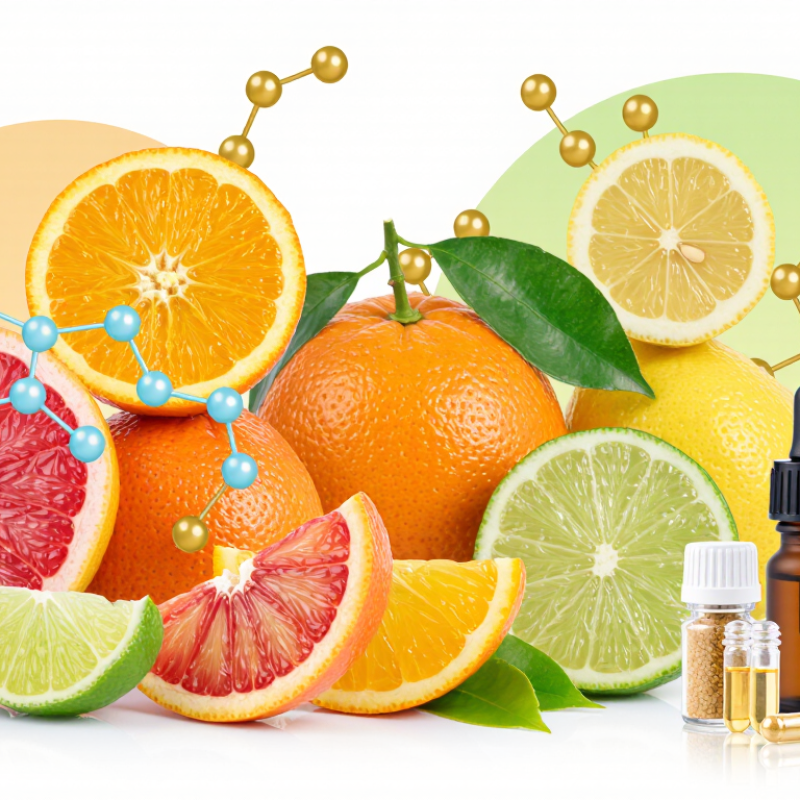
Citrus bioflavonoids are plant compounds found in orange, lemon, grapefruit, and related fruits. Common examples include hesperidin, diosmin, naringin, and eriocitrin. They may support antioxidant activity and healthy blood vessels, but their role in bruising needs careful wording. A bruise forms when small vessels leak blood beneath the skin. Citrus compounds may help vascular resilience, yet they do not erase bruises overnight. The evidence is uneven. Some studies examine circulation, not everyday bruising.
The NIH Office of Dietary Supplements recommends 75 milligrams of vitamin C daily for adult women and 90 milligrams for adult men. Smokers need 35 milligrams more. Vitamin C supports collagen production, which helps maintain skin and vessel structure. However, vitamin C is not the same as a citrus bioflavonoid. That distinction matters. Product formulas often combine them, but clinical proof for preventing bruises remains limited and sometimes indirect. I would not treat a promising laboratory result as a finished clinical answer.
Tips: Check the ingredient amount, extraction details, and testing standards. Avoid assuming “citrus” means stronger results. Review medicines with a qualified healthcare professional, especially before using concentrated supplements. Photograph bruising under the same light. Patterns can reveal change. Persistent, painful, or unexplained bruises deserve medical assessment. Lip bruising is different. Thin skin changes everything.
| Rank | Bioflavonoid | Common Citrus Sources | Flavonoid Class | Potential Relevance to Bruising | Evidence for Vascular or Capillary Support | Product Development Considerations |
|---|---|---|---|---|---|---|
| 1 | Hesperidin | Sweet orange, sour orange, lemon and mandarin peel | Flavanone glycoside | May support normal endothelial function and help regulate inflammatory and oxidative processes associated with tissue injury. | Moderate Human studies have investigated vascular function, but direct clinical evidence for reducing ordinary bruises is limited. |
One of the most characteristic citrus flavonoids; often considered for oral or topical vascular-support formulations. Water dispersibility and skin delivery require formulation testing. |
| 2 | Diosmin | Citrus-derived; naturally related to hesperidin and commonly produced from citrus flavonoid material | Flavone glycoside | Associated with venous tone, microcirculation and capillary permeability pathways, which may be relevant to visible discoloration and swelling. | Moderate Clinical use has focused mainly on chronic venous disorders and hemorrhoidal symptoms rather than routine bruising. |
Should not be presented as a proven bruise treatment. Regulatory status, oral safety, dose and interaction considerations should be reviewed carefully. |
| 3 | Naringin | Grapefruit, bitter orange and pomelo | Flavanone glycoside | Provides antioxidant and inflammation-related research interest that may support the skin environment following minor impact. | Limited Most evidence is preclinical or mechanistic; direct human bruising data are not well established. |
Grapefruit-derived ingredients may raise medication-interaction concerns because grapefruit constituents can affect drug-metabolizing enzymes and transporters. |
| 4 | Naringenin | Grapefruit, oranges and tomatoes; formed from naringin during digestion | Flavanone aglycone | Investigated for antioxidant, anti-inflammatory and cellular signaling effects that could be relevant to tissue recovery. | Limited Evidence for bruise reduction is primarily experimental rather than clinical. |
Aglycones may have different absorption and skin-partitioning behavior from glycosides; stability and solubility should be assessed. |
| 5 | Eriocitrin | Lemon and lime, especially peel and juice fractions | Flavanone glycoside | Strong antioxidant activity in laboratory studies may help protect tissues from oxidative stress after minor injury. | Limited Evidence is mainly laboratory and nutritional research, with little direct evidence for bruising outcomes. |
Useful as a citrus-antioxidant positioning ingredient, but claims should remain focused on antioxidant support rather than bruise removal. |
| 6 | Rutin | Present in some citrus tissues, particularly certain peels; also widely found in buckwheat and other plants | Flavonol glycoside | Traditionally associated with capillary integrity and investigated for vascular permeability and antioxidant mechanisms. | Moderate Vascular-support evidence exists, but it does not establish effectiveness for treating a typical bruise. |
Rutin is not exclusive to citrus. Its low water solubility can affect topical formulation, dispersion and bioavailability. |
| 7 | Quercetin | Detected in citrus fruits and peels; also common in onions, apples and many other plants | Flavonol | May influence oxidative stress, inflammatory signaling and endothelial responses involved in tissue recovery. | Limited Broad biological research exists, but direct evidence for topical bruise improvement remains insufficient. |
Not citrus-specific. Formulators should consider oxidation, poor aqueous solubility and possible effects on drug-metabolizing enzymes. |
| 8 | Nobiletin | Mandarin, tangerine and sweet-orange peels | Polymethoxylated flavone | Preclinical studies suggest antioxidant and inflammation-modulating activity, which may be relevant to post-impact skin conditions. | Limited Research is predominantly preclinical; no strong clinical evidence confirms bruise reduction. |
More lipophilic than many citrus flavonoid glycosides, which may help compatibility with oil-based systems but requires stability and irritation testing. |
| 9 | Tangeretin | Mandarin and tangerine peels | Polymethoxylated flavone | Studied for antioxidant and inflammation-related effects that could support a healthy skin-repair environment. | Limited Evidence for bruising is mainly laboratory-based and indirect. |
Peel-derived material should be standardized for purity and screened for contaminants, allergens and phototoxic constituents. |
| 10 | Sinensetin | Sweet orange, mandarin and other citrus peels | Polymethoxylated flavone | Has laboratory evidence related to antioxidant and inflammatory pathways, but its specific relevance to bruising is still exploratory. | Limited Human clinical evidence for bruising or capillary fragility is currently sparse. |
Best suited to research-oriented or antioxidant positioning rather than strong bruise-treatment claims. |
Citrus bioflavonoids are plant compounds found in oranges, lemons, and grapefruits. Examples include hesperidin, diosmin, naringin, and eriocitrin. They may support antioxidant activity and healthy blood vessels.
No strong evidence shows they can erase bruises overnight. A bruise forms when small vessels leak blood beneath the skin. Citrus compounds may support vessel resilience, but results remain uncertain.
No. Vitamin C helps produce collagen for skin and vessel structure. Some products combine vitamin C with bioflavonoids, but the ingredients are different. That distinction matters.
Check the exact bioflavonoid profile, active amount, extraction method, and testing standards. Milligrams alone do not prove quality. Look for certificates of analysis and traceable batch records.
No. Laboratory findings may suggest an effect without proving real-world benefits. Human studies should measure bruise color, discomfort, or recovery time. Evidence is mixed.
No. Topical products need skin-penetration and irritation data. Oral products need human safety and absorption information. Damaged skin may react to ingredients more easily.
Light, heat, oxygen, and moisture can reduce ingredient stability. Review the packaging, pH, preservatives, and storage instructions. A warm bathroom may be a poor location.
Seek medical assessment for persistent, painful, unexplained, or unusually large bruises. Frequent bruising may signal an underlying issue. Do not let a supplement delay proper evaluation.
Photograph the area under the same lighting and from a similar distance. Record its size, color, tenderness, and recovery time. Photos can reveal patterns. My judgment could still be incomplete.
This guide explores Citrus Bioflavonoids For Bruising and explains what these plant compounds are, how they are associated with skin and capillary support, and why they may be considered in topical or oral product formulas. It introduces ten commonly discussed citrus-related bioflavonoids, including hesperidin, hesperetin, naringin, naringenin, eriocitrin, eriodictyol, diosmin, tangeretin, nobiletin, and sinensetin. Each compound can be evaluated according to its source, purity, standardization, stability, available research, and compatibility with other ingredients.
The article also discusses how citrus bioflavonoids may help support antioxidant protection, healthy connective tissue, and normal capillary function, while emphasizing that they are not a guaranteed treatment for bruising. Formulation considerations include dosage format, absorption, ingredient interactions, skin sensitivity, storage stability, and appropriate usage directions. Safety assessment and professional guidance are important, especially for people with allergies, existing health conditions, or those using medications that may affect bleeding or circulation.

 Chenlv Herb