Vitamin C and Bioflavonoids are essential nutrients for overall health. They play a critical role in protecting our cells from damage. Many people know vitamin C as a powerful antioxidant. However, its partnership with bioflavonoids enhances its effectiveness significantly.
Research highlights that vitamin C supports immune function and skin health. Bioflavonoids complement this by promoting better absorption. This synergy improves the body’s ability to utilize these nutrients effectively. Foods rich in both include citrus fruits, berries, and leafy greens. Incorporating these into your diet can be simple but impactful.
While many seek supplements, whole foods often deliver more benefits. Not everyone responds the same way to supplements, and caution is needed. Balancing your intake of Vitamin C and Bioflavonoids through diet encourages a holistic approach to health. Recognizing this allows for a deeper understanding and appreciation of nutrition.
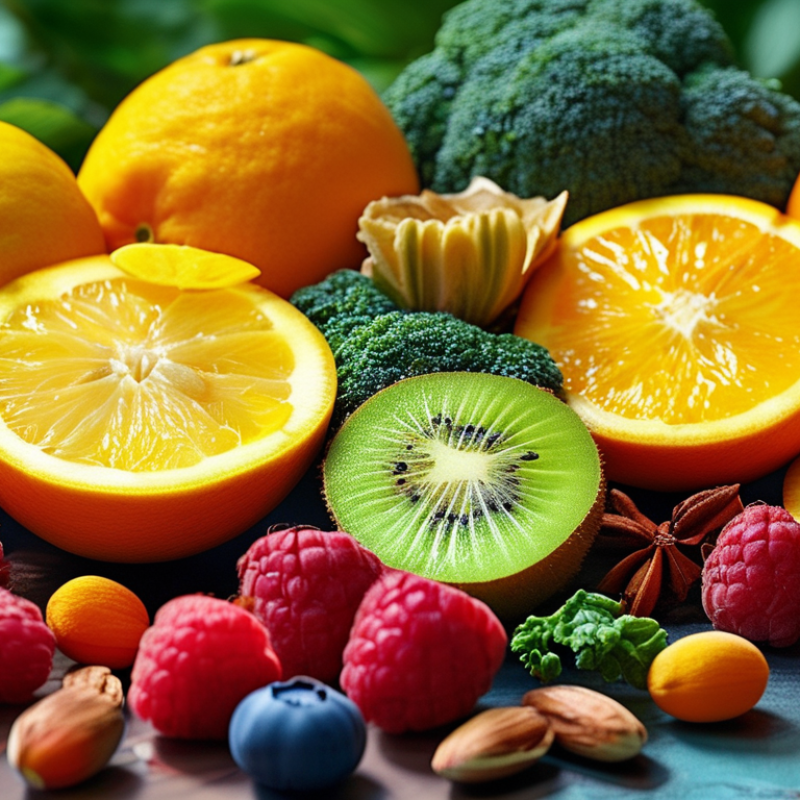
Vitamin C is a powerful antioxidant that plays a vital role in maintaining health. It protects our cells from damage and supports our immune system. This essential vitamin promotes collagen production, which is crucial for skin health and healing wounds. Additionally, Vitamin C enhances iron absorption, making it important for those at risk of anemia.
Incorporating foods rich in Vitamin C into your diet is simple. Citrus fruits, strawberries, and bell peppers are excellent sources. Aim for a variety of colors on your plate. This not only enhances the nutrients you consume but also makes your meals more visually appealing. Remember to eat these foods raw when possible, as cooking can diminish their Vitamin C content.
**Tips:** Consider adding a handful of berries to your morning yogurt. This small change can boost your antioxidant intake. Another option is to drink a glass of fresh orange juice alongside breakfast. It's refreshing and vitamin-packed. Evaluate your current eating habits. Are you consuming enough Vitamin C? If not, think of ways to improve. This vitamin is essential, but many overlook it in their daily diets.
| Nutrient | Benefits | Sources | Recommended Daily Intake |
|---|---|---|---|
| Vitamin C | Boosts immune system, promotes collagen production, acts as an antioxidant | Citrus fruits, strawberries, kiwi, bell peppers, broccoli | 75 mg for women, 90 mg for men |
| Bioflavonoids | Enhances absorption of Vitamin C, supports cardiovascular health, anti-inflammatory properties | Citrus fruits, berries, onions, garlic, tea | No specific daily intake established, but a balanced diet is recommended |
| Combined Intake | May enhance overall health benefits and reduce risk of chronic diseases | Whole fruits, vegetables, supplements | Varies based on dietary sources |
: Together, they boost absorption and enhance each other's health benefits. They support the immune system and collagen production.
Eat citrus fruits like oranges and lemons. Berries and dark chocolate are great sources of bioflavonoids.
Yes, doses above 2000 mg can cause stomach cramps and diarrhea. It's crucial to be cautious about intake.
It’s better to focus on a balanced diet. Supplements can mask deficiencies and lead to imbalances.
Berries, red onions, bell peppers, and fresh herbs like parsley contain significant amounts of bioflavonoids.
Yes, some bioflavonoids can interact with anticoagulants, increasing bleeding risk. Always consult a healthcare provider.
Cooking can reduce nutrient value. Consuming fruits and veggies fresh maximizes health benefits.
Consider if you are choosing a variety of colorful fruits and vegetables. Mixing colors can support overall health.
High doses of nutrients can have unknown long-term effects. A balanced approach to intake is always advised.
Vitamin C and Bioflavonoids play crucial roles in supporting overall health and well-being. Vitamin C, a powerful antioxidant, is known for its ability to boost the immune system, enhance skin health, and aid in collagen production. Coupled with bioflavonoids—natural compounds found in various fruits and vegetables—these nutrients work synergistically to improve absorption and effectiveness, providing enhanced anti-inflammatory and antioxidant benefits.
To incorporate Vitamin C and Bioflavonoids into your diet, focus on consuming a variety of colorful fruits and vegetables, such as citrus fruits, berries, and leafy greens. While these nutrients are generally safe, it's essential to consider potential risks, such as gastrointestinal upset from excessive intake or interactions with certain medications. Being mindful of dosage and integrating these health-giving compounds responsibly can pave the way for a vibrant, healthier lifestyle.

 Chenlv Herb