Choosing reliable Acerola Bioflavonoids suppliers in China requires more than comparing prices or attractive product pages. This ingredient may support antioxidant-focused formulations, but its quality depends on sourcing, processing, storage, and testing. A supplier’s real capability appears in practical details: acerola origin, extraction method, active compound levels, batch consistency, and packaging protection. Clear records matter.
This guide examines leading China-based suppliers through an evidence-focused lens. It considers manufacturing experience, technical communication, laboratory documentation, quality systems, and export readiness. Certificates can help, but they should not replace independent verification. Request recent certificates of analysis, microbiological results, heavy-metal reports, stability information, and traceability documents before making a decision. Samples should also be tested against agreed specifications.
Look beyond marketing claims.
A strong supplier should explain how Acerola Bioflavonoids are handled from raw material intake to final shipment. Their answers should be specific, consistent, and easy to verify. Site audits, video inspections, or third-party testing may reveal details that brochures leave out. Still, no supplier comparison is perfectly complete. Product grades can change, production capacity may vary, and public information may remain limited. That uncertainty deserves honest attention.
The following overview highlights suppliers worth investigating, not blindly approving. It helps buyers compare technical reliability, communication quality, customization options, minimum order expectations, and regulatory support. Each company should be evaluated against the buyer’s intended application and destination-market requirements. A careful review protects formulation performance and supports more dependable long-term sourcing.
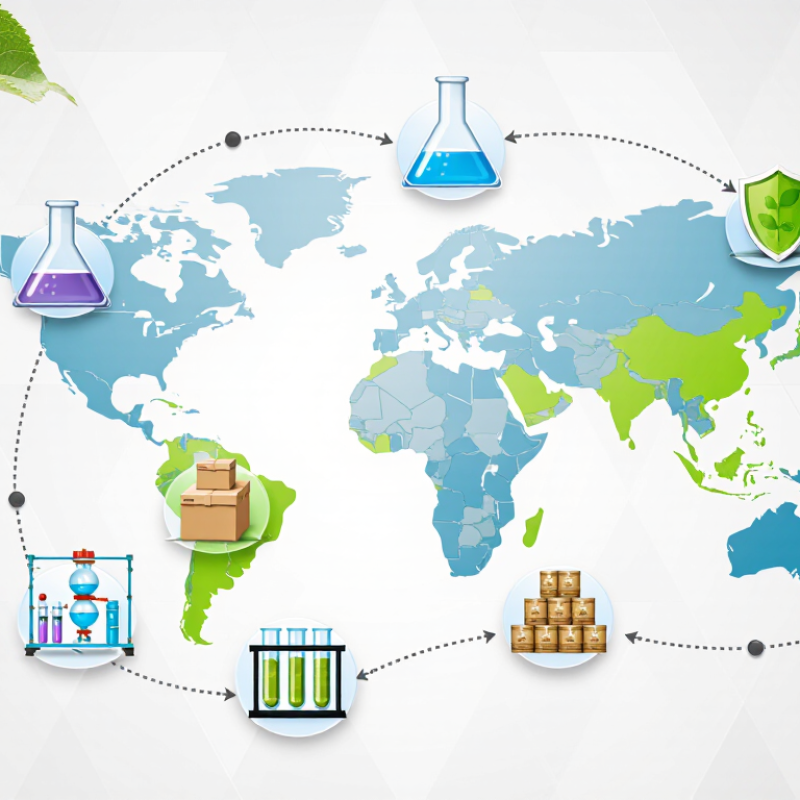
Acerola bioflavonoids are naturally occurring plant compounds found in acerola cherries, a bright red fruit from tropical regions. The fruit is also known for its vitamin C content, polyphenols, and other antioxidant constituents. However, “acerola bioflavonoids” does not always describe one standardized molecule. Its exact profile can change with fruit variety, harvest timing, processing, and extraction conditions.
These compounds are used in dietary supplements, functional foods, beverages, and selected personal-care formulas. Researchers study them for their antioxidant activity and possible support for normal cellular protection. They may also help complement vitamin C formulations, although they should not be presented as a cure or treatment. In real product development, the practical value depends on dosage, stability, absorption, and the full ingredient formula. Marketing claims can move faster than evidence.
Reliable China-based suppliers should provide botanical identification, a clear manufacturing process, and batch-specific testing. A useful certificate of analysis may cover bioflavonoid content, vitamin C levels, moisture, heavy metals, microbes, pesticides, and residual solvents. I would also review storage conditions and packaging, because heat and humidity can reduce quality. Supplier audits, traceability records, and small trial samples offer stronger evidence than a polished brochure. The term “natural” sounds reassuring, but it does not guarantee consistency. Careful verification remains necessary.
Brand-neutral supplier evaluation and ingredient reference table
| Evaluation Dimension | Relevant Data or Typical Requirement | Why It Matters | Recommended Verification |
|---|---|---|---|
| Botanical identity | Acerola is commonly identified as Malpighia emarginata; Malpighia glabra is also used in older botanical references. | Confirms that the raw material is acerola fruit rather than another vitamin-C-containing botanical. | Request botanical name, plant part, country of origin, supplier traceability, and an identity test. |
| Active composition | Acerola extracts may contain vitamin C, flavonoids, anthocyanins, and other polyphenols. Concentrations vary with cultivar, maturity, drying, and extraction. | “Acerola bioflavonoids” is not a single globally standardized chemical profile. | Require a batch-specific certificate of analysis rather than relying only on a generic product name. |
| Vitamin C assay | Commercial powders may be standardized to a declared vitamin C range; the actual target depends on the product specification and may differ substantially between extracts. | Vitamin C is often the principal quality marker for acerola-based ingredients. | Confirm the analytical method, such as HPLC or a validated titration method, and compare the result with the label claim. |
| Flavonoid and polyphenol testing | Total polyphenols are commonly reported as a group value. A total flavonoid result does not identify individual compounds. | Helps distinguish a genuine polyphenol-containing extract from a product standardized only with added ascorbic acid. | Ask whether the result is based on a validated method and whether the specification covers total or individual compounds. |
| Extraction process | Water and water-ethanol extraction are common approaches for botanical ingredients. The process should state whether carriers or processing aids are used. | Extraction conditions can affect vitamin C stability, color, polyphenol retention, and formulation performance. | Request a process flow chart, solvent statement, carrier declaration, and residual-solvent results where applicable. |
| Physical form | Common commercial forms include spray-dried or freeze-dried powder. Color may range from pale beige to reddish-brown depending on processing. | Physical form affects flowability, dispersibility, color, hygroscopicity, and compatibility with capsules or powdered drinks. | Review appearance, odor, bulk density, particle-size distribution, solubility, and moisture data. |
| Moisture and stability | A moisture limit is normally included in the product specification; many dried botanical powders use a target of approximately 5–8% or lower, depending on the process. | Excess moisture can accelerate caking, oxidation, microbial growth, and vitamin C degradation. | Request water-activity data when relevant, real-time or accelerated stability data, and recommended storage conditions. |
| Microbiological quality | Specifications commonly address total aerobic microbial count, yeast and mold, Escherichia coli, Salmonella, and other pathogens according to the destination market. | Botanical powders are agricultural products and require routine microbiological control. | Review recent third-party or in-house test reports and confirm that limits match the importing country’s requirements. |
| Contaminant control | Testing may cover heavy metals, pesticide residues, mycotoxins, residual solvents, and foreign matter. | Contaminant limits are determined by the intended food, supplement, cosmetic, or pharmaceutical application and the destination regulations. | Request LC-MS/MS or GC-MS/MS pesticide testing, heavy-metal results, and a documented risk-based testing plan. |
| Manufacturing certifications | Relevant systems may include HACCP, ISO 22000, FSSC 22000, GMP, or other certifications accepted for the target application. | Certification provides evidence of documented controls, sanitation procedures, traceability, and corrective-action systems. | Verify certificate scope, issuing body, validity period, manufacturing site, and audit status. |
| Documentation package | A professional supply package normally includes a COA, technical data sheet, safety data sheet, specification, allergen statement, GMO statement, and country-of-origin declaration. | Complete documents support customs clearance, formulation review, regulatory assessment, and batch release. | Check that documents are product-specific, batch-linked where appropriate, dated, signed, and consistent with the label. |
| Typical applications | Used in dietary supplements, functional foods, beverage powders, antioxidant formulations, and selected cosmetic products. | The ingredient can provide a botanical source of vitamin C and naturally occurring polyphenolic compounds. | Confirm intended-use compliance, permitted claims, dosage limits, and labeling rules in the destination market. |
| Supplier selection signal | The strongest suppliers are those that can demonstrate consistent batch data, validated testing, traceable sourcing, stable lead times, and application support. | Price alone does not establish authenticity, potency, regulatory suitability, or long-term supply reliability. | Compare at least three qualified suppliers using identical specifications, sample testing, documentation review, and a small pilot order. |
Note: Numerical limits and certificate requirements are not universal for every acerola extract. Final specifications should be confirmed against the intended application and the regulations of the importing country.
They are natural plant compounds found in bright red acerola cherries. Their profile may include flavonoids, polyphenols, and vitamin C. The exact composition is not always standardized.
They are used in supplements, functional foods, drinks, and personal-care formulas. Researchers study their antioxidant activity and possible support for normal cellular protection. They are not cures or treatments.
Fruit variety, harvest timing, processing, and extraction conditions can change the final profile. Heat and humidity may also reduce quality. “Natural” does not guarantee consistency.
Request botanical identification, manufacturing details, batch records, and recent certificates of analysis. Useful records show fruit origin, harvest period, extraction conditions, and storage temperature.
Testing should cover bioflavonoid content and vitamin C levels. It should also check moisture, microbes, pesticides, heavy metals, and residual solvents. Independent testing is stronger evidence.
Food-safety, good manufacturing, Halal, or Kosher certifications may be relevant. Certification scope matters. A certificate for one facility may not cover another processing site.
Ask about annual output, extraction equipment, drying methods, minimum order quantities, and reserve samples. Suppliers should explain seasonal raw-material planning and batch color variation. Paper capacity can still be unclear.
Request three recent batch reports and compare assay variation. Review an audit report, storage conditions, packaging, and traceability records. Test a small pilot batch first. I would not rely on a polished brochure alone.
Acerola Bioflavonoids are plant-based antioxidant compounds derived from acerola fruit, valued for their potential role in supporting vitamin C stability, oxidative balance, and overall nutritional formulation. In China, the supplier market typically includes agricultural processors, botanical extract manufacturers, specialty ingredient producers, and companies offering customized solutions for food, beverage, supplement, and cosmetic applications. Buyers should understand how each supplier manages sourcing, extraction, standardization, and product documentation.
Top China Acerola Bioflavonoids suppliers are generally distinguished by consistent active-compound content, reliable raw-material traceability, modern production capacity, and transparent quality-control procedures. Important evaluation points include third-party testing, batch consistency, contaminant screening, regulatory documentation, certifications relevant to the target market, packaging standards, lead times, and technical support. Before selecting a supplier, buyers should request representative samples, detailed specifications, certificates of analysis, stability information, minimum order quantities, and clear communication about production scalability. A careful comparison of quality, certifications, capacity, service, and total cost can help identify a dependable long-term supply partner.

 Chenlv Herb