Discover our select list of highly active botanical ingredients and custom health product offerings under our strict E-E-A-T quality criteria. We integrate manufacturing, OEM/ODM processes, and rapid global distribution chains.
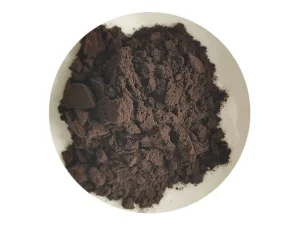
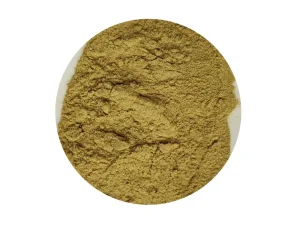
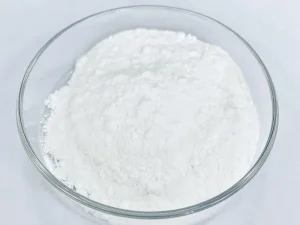
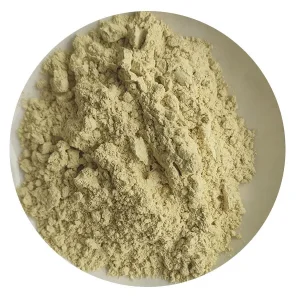
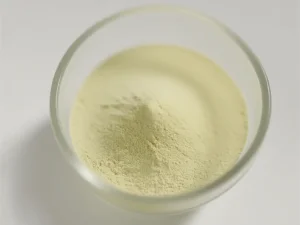
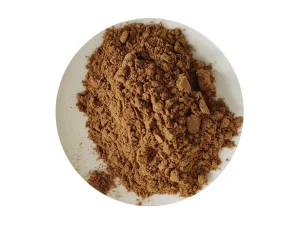
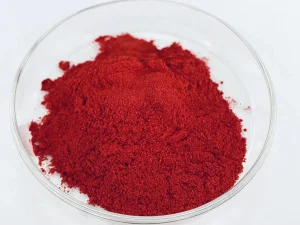
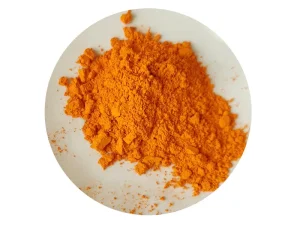
Beta-sitosterol (β-sitosterol) is one of the most abundant phytosterols (plant sterols) found within the plant kingdom. Structurally resembling cholesterol, this chemical compound features a characteristic sterol nucleus with a modified hydrophobic side chain. Because of its structural similarity, β-sitosterol competitively inhibits cholesterol absorption within the human intestine, leading to a notable reduction in circulating Low-Density Lipoprotein (LDL) cholesterol levels.
Historically sourced from various vegetable oils, modern green-tech advances have expanded extraction paradigms. Industrial-scale manufacturing processes now isolate β-sitosterol not only from soy and corn but also increasingly from pine trees (tall oil), which provides a highly sought-after soy-free, non-GMO alternative. As cardiovascular disease concerns escalate globally alongside an aging population facing benign prostatic hyperplasia (BPH) challenges, the demand for stable, high-purity β-sitosterol has reached an all-time high.
Competitively binds to micellar structures inside the intestinal lumen, decreasing overall system cholesterol absorption and maintaining arterial health.
Supports urological health by helping manage symptoms associated with mild to moderate prostate enlargement (BPH) through anti-inflammatory actions.
Widely applied in functional foods, dietary supplements, pharmaceutical intermediates, cosmetics, and premium animal nutrition systems.
The international market for phytosterols, specifically high-purity β-sitosterol, is driven by structural shifts in dietary preferences and stricter government health claims guidelines. Major multinational companies and export networks span across North America, Europe, and Asia. Western markets heavily prioritize traceability and clean labels, establishing stringent regulations on GMO ingredients. This has shifted manufacturing interest towards pine-derived β-sitosterol, where chemical suppliers extract crude tall oil (CTO) and fractionate it to yield high-quality, hypoallergenic sterols.
From a commercial perspective, Chinese exporters dominate the raw materials manufacturing scale, leveraging rich natural resources and advanced crystallization separation facilities. Key hubs in regions like Sichuan and Shandong combine intensive research networks with cost-optimized mass production pipelines. As a result, global procurement officers look toward specialized manufacturers who can guarantee not only competitive pricing but also strict compliance with foreign regulatory standards (such as European Union Novel Food approvals and US FDA GRAS notifications).
Asia-Pacific: Hub for scale production, offering soy-derived and pine-derived extracts with advanced purity profiling (up to 95%+ by GC analysis).
Europe & North America: Chief consumption markets focused on end-consumer integration, demanding IP (Identity Preserved) non-GMO options and certified sustainable forestry sources.
Microencapsulation Technology: To overcome the low water solubility of β-sitosterol, exporters are offering dispersible powder variants suitable for functional beverages.
Esterification: The supply of phytosterol esters is growing rapidly, as their lower melting points allow easier incorporation into margarines, spreads, and dairy products.
Ensuring high purity and stability of β-sitosterol requires advanced separation techniques. Raw phytosterol mixtures typically contain campesterol, stigmasterol, and brassicasterol. Since these compounds have nearly identical molecular weights and boiling points, purifying them requires precise methods.
The technical roadmap below illustrates the step-by-step separation, purification, and quality assurance processes followed by leading global producers:
Crude plant lipids undergo high-vacuum fractional distillation to separate the sterol-rich fractions from volatile fatty acids and heavy residues.
Using specific organic solvent configurations (like ethanol-water or ethyl acetate mixtures), the sterols undergo multiple crystallization cycles to raise purity.
Final batches undergo high-performance liquid chromatography (HPLC) and gas chromatography (GC) to verify that the active β-sitosterol concentration meets target specifications.
Phytosterols are versatile raw materials. Leading exporters must optimize their product physical states (e.g., oil, prills, powder, micro-encapsulated formulations) to match the operational workflows of diverse purchasing companies:
Used in softgel and tablet formulations aiming to lower LDL cholesterol. Combined with Coenzyme Q10 or Red Yeast Rice extract for synergistic heart-health benefits.
Formulated alongside Saw Palmetto extract and Pumpkin Seed oil. Standardized beta-sitosterol is the primary active ingredient for relieving urinary symptoms of BPH.
Incorporated into margarines, yogurts, and bakery products. Manufacturers utilize esterified sterols to ensure smooth texture and shelf-stability without crystallization.
Acting as a natural skin-identical lipid, it helps restore the epidermal barrier, calms inflammation, and protects against environmental stress in anti-aging creams.
Established in 2012, Chengdu Chenlv Herb Co., Ltd. (Chenlv Herb) operates as a premier high-tech enterprise specializing in the R&D, manufacturing, and global export of high-purity botanical extracts. Our facilities span a modern production network designed to supply pharmaceuticals, functional foods, cosmetics, and animal nutrition industries. With decades of plant extraction expertise, Chenlv Herb is dedicated to delivering highly active, safe, and traceable natural raw materials to clients worldwide.
Continuous R&D investment to optimize extraction efficiencies, isolation methods, and compound bio-availability profiles.
Advanced factory machinery combined with standardized processes allows quick turnaround times and secure global delivery.
Strict supply chain controls verify raw material origin, supporting eco-friendly practices from harvest to shipping.
Cooperation initiation, discussing specific purity levels, particle sizes, and application fields.
Providing clear quotations and sample configurations tailored to client specifications.
Finalizing contracts and creating custom pilot batches for client analysis and testing.
Scale production backed by complete batch testing and analysis certificates (COAs) prior to export.
Our processes align with strict quality standards to ensure cross-border regulatory compliance. Chenlv Herb's production plants and extraction lines are fully certified by ISO9001, ISO22000, HALAL, KOSHER, and the FDA, ensuring safe, high-quality botanical raw materials.
When evaluating suppliers of β-sitosterol, global sourcing managers should look beyond pricing to assess the vendor's underlying expertise, authority, and reliability. Use these key parameters to evaluate potential partners:
Confirm if the supplier can trace raw plant materials back to their source. This is crucial for verifying non-GMO status, especially in European Union regions where GM labeling thresholds are strict.
Check that solvent extraction protocols comply with USP and EP limits. Acceptable limits for residual solvents (such as hexane, ethanol, or acetone) must be verified via Gas Chromatography-Mass Spectrometry (GC-MS).
Top exporters provide batch-specific heavy metal analysis (ICP-MS testing for Lead, Cadmium, Arsenic, and Mercury) alongside pesticide residue clearance reports to ensure safety.
Review detailed, technically verified answers address common questions about phytosterol sourcing, specifications, and manufacturing processes:
Browse our range of high-quality active pharmaceutical ingredients, custom bile acids, and natural botanical extracts prepared under rigorous industrial standards:
 Chenlv Herb