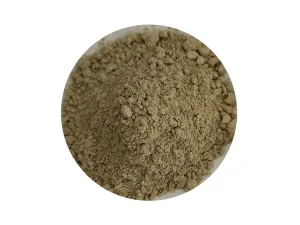
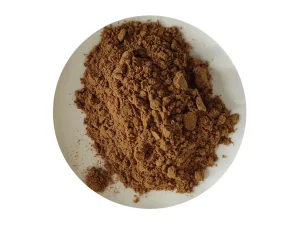
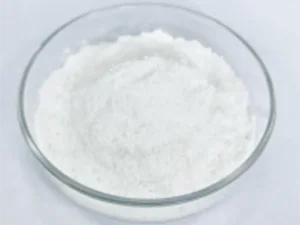
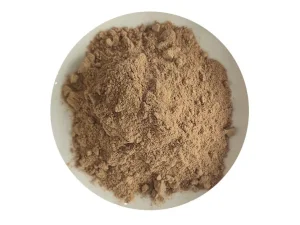
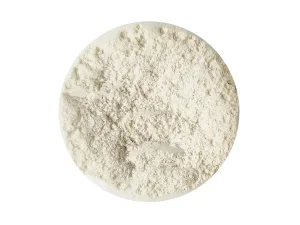
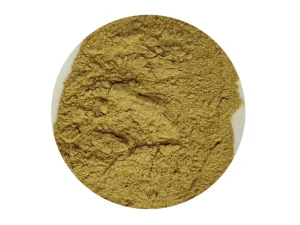
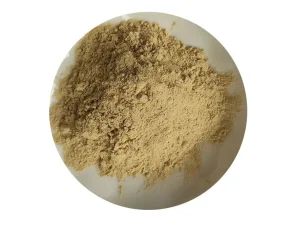
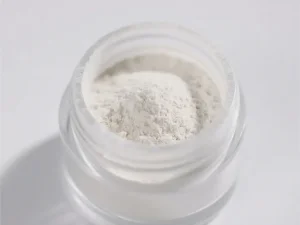
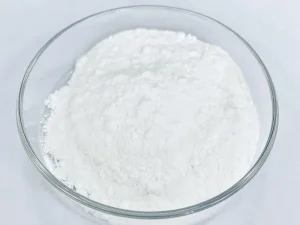
Premium natural active ingredients manufactured under strict quality standards for Global Distribution
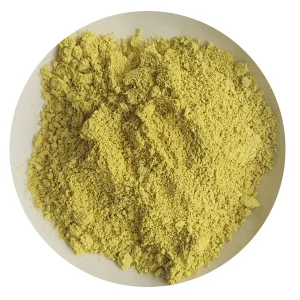
Diosmin (PubChem Compound CID: 5281613), chemically designated as 3',5,7-trihydroxy-4'-methoxyflavone 7-rutinoside, represents the gold standard in the global phlebotonic and microvascular protection market. Synthesized primarily through the dehydrogenation of hesperidin, Diosmin acts as a highly effective vascular-stabilizing agent widely indicated for chronic venous insufficiency (CVI), hemorrhoidal disease, and microcirculatory disorders.
At a macro-industrial scale, pharmaceutical manufacturers face a dual challenge: maximizing the biological availability of this hydrophobic flavone glycoside while securing high-purity, trace-solvent-free APIs that strictly comply with international pharmacopoeias (USP, EP, ChP). Standard Diosmin exhibits poor solubility, which is why advanced manufacturing entities prioritize micronization technologies. Micronized Purified Flavonoid Fraction (MPFF), typically composed of 90% micronized Diosmin and 10% other active flavonoids (expressed as hesperidin), yields particles with a d90 diameter below 10 micrometers. This physical transformation significantly boosts oral bioavailability, transforming clinical outcomes and global market valuation.
For international procurement directors, identifying verified factories that produce Diosmin according to PubChem characteristics requires rigorous attention to quality metrics: purity levels (≥90.0% to 98.0% via HPLC), heavy metal control, residue limits, and environmental sustainability standards during chemical conversion.
| Property | Value / Specification |
|---|---|
| PubChem CID | 5281613 |
| Molecular Formula | C28H32O15 |
| Molecular Weight | 608.5 g/mol |
| Chemical Name | 5-hydroxy-2-(3-hydroxy-4-methoxyphenyl)-7-[(2S,3R,4S,5S,6R)-3,4,5-trihydroxy-6-[[(2R,3R,4R,5R,6S)-3,4,5-trihydroxy-6-methyloxan-2-yl]oxymethyl]oxan-2-yl]oxychromen-4-one |
| Assay (HPLC) | 90.0% - 102.0% (anhydrous substance) |
| Particle Size (Micronized) | D90 ≤ 10 μm / D50 ≤ 3 μm |
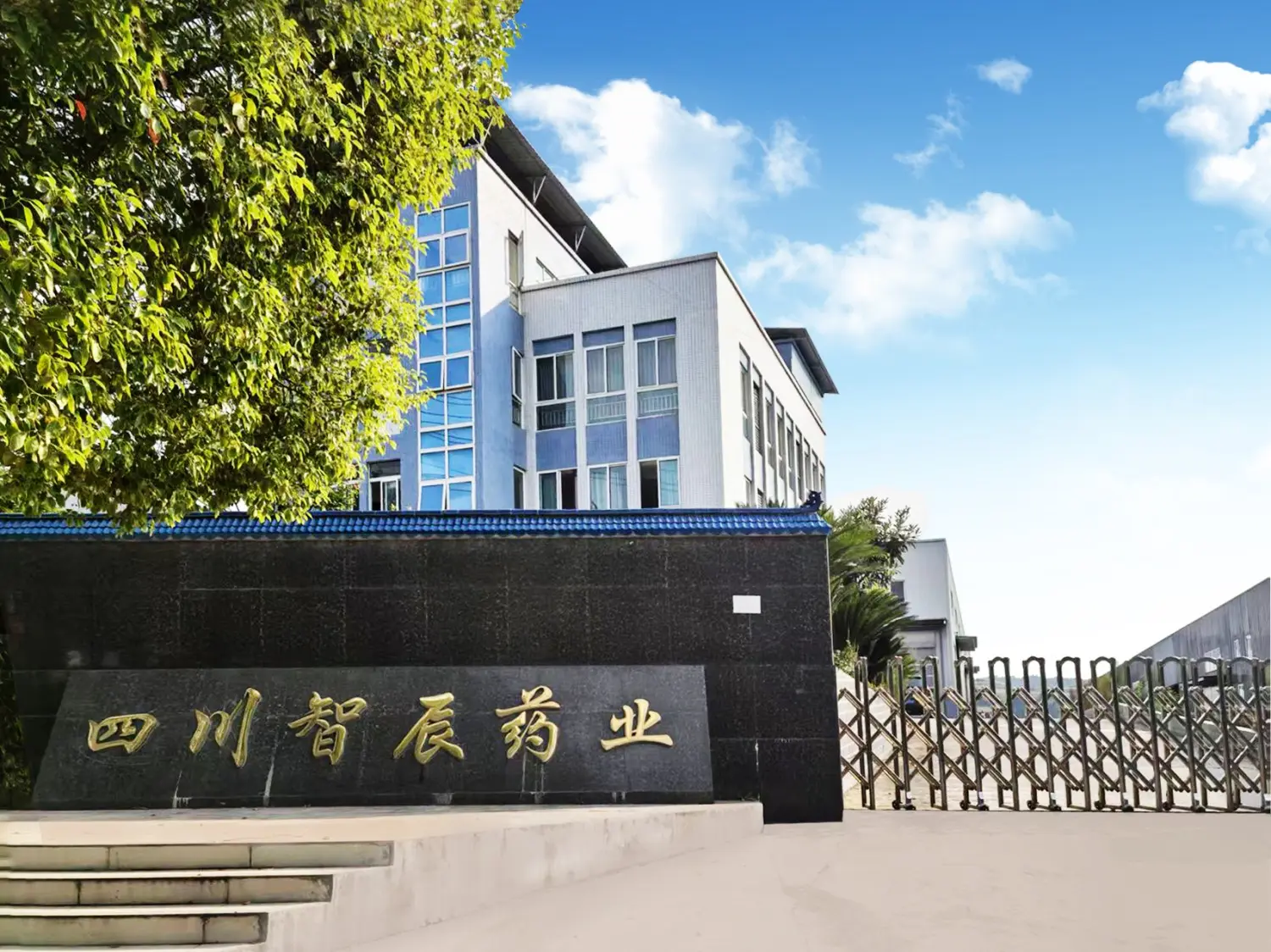
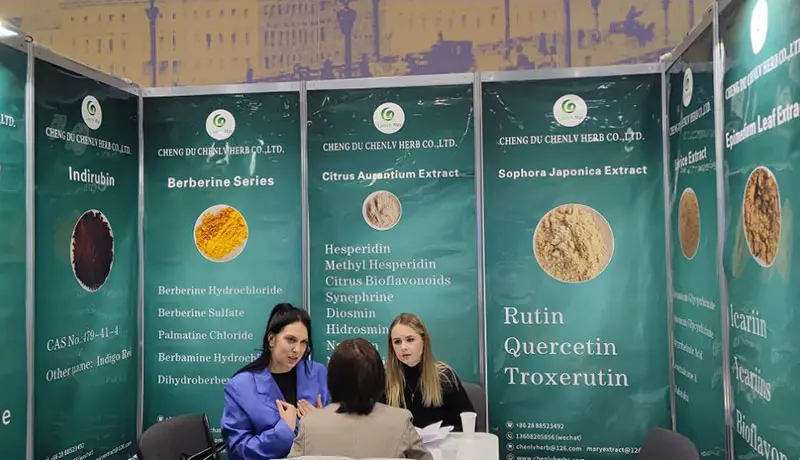
Chengdu ChenLv Herb Co.,Ltd. (referred to as "Chenlv Herb") was established in 2012 as a high-tech enterprise specializing in the R&D, production, and sales of botanical extracts and natural pharmaceutical ingredients. Committed to providing high-purity, highly active, and premium-quality natural raw materials, the company serves diverse industries, including pharmaceuticals, health supplements, food, and cosmetics.
Leveraging advanced extraction machinery, sophisticated purification technologies, and multi-tier quality control systems, Chenlv Herb acts as a critical link in the global plant extract supply chain. The factory produces exceptional high-purity flavonoid compounds, specialized pharmaceutical ingredients, and customized formulations designed to fulfill the unique regulatory criteria of both European and American markets.
Market dynamics, raw material sourcing constraints, and industrial supply pathways
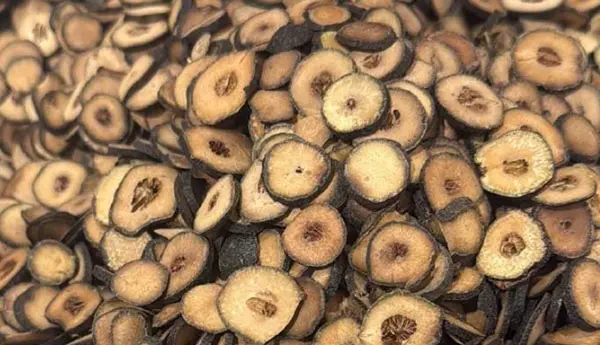
The primary raw material for industrial synthesis of Diosmin is hesperidin, harvested from immature citrus fruits (such as Aurantii Fructus Immaturus or sweet oranges). The geographic distribution of citrus cultivation in Sichuan, Jiangxi, and Hunan provinces directly determines upstream cost structures. Harvest seasons (typically May to July) create annual fluctuations in raw material availability and pricing, demanding robust stock management from top factories.
Industrial synthesis involves transforming hesperidin into diosmin via dehydrogenation. Modern factories utilize solvent systems (like pyridine or dimethyl sulfoxide) under the presence of iodine catalysts to introduce the double bond between C2 and C3 of the flavone skeleton. Eliminating residual solvents, heavy metals, and free iodine from the final crystal lattice is the hallmark of premium pharmaceutical-grade manufacturing.
Because unmodified Diosmin acts as a poorly soluble drug (Class IV under the Biopharmaceutics Classification System), physical particle sizing is critical. Micronization using jet mills reduces particle size distributions to D90 ≤ 10 microns, increasing the active surface area exposed to gastrointestinal fluids, thus drastically accelerating absorption and therapeutic action.
Explore our premium therapeutic-grade plant extracts integrated with Chenlv Herb's state-of-the-art purification technology
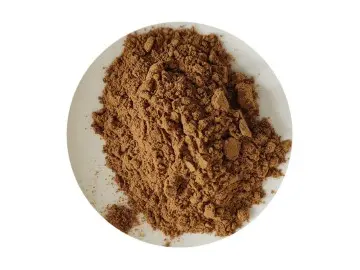
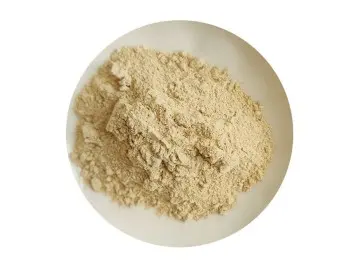
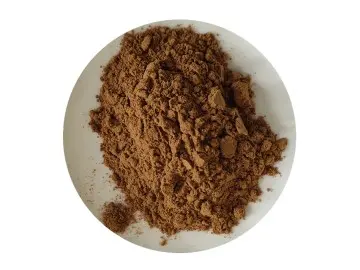
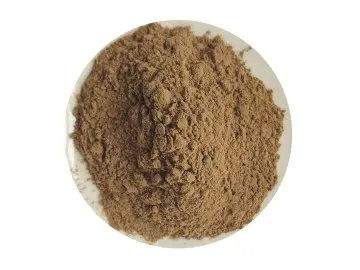
Meeting strict FDA, GMP, CEP, and DMF documentation requirements for global pharmaceutical safety approvals
Every batch of Diosmin produced by our partner factories conforms perfectly to the European Pharmacopoeia (EP) and United States Pharmacopeia (USP) requirements. We ensure that our processes leave zero toxic residues, limiting heavy metals to ≤10 ppm and controlling related flavonoid substances (such as linarin, isorhoifolin, and hesperidin) strictly within specified regulatory ranges.
To streamline downstream pharmaceutical formulation registrations, our compliance team supplies complete Drug Master Files (DMF), stability testing reports under ICH guidelines, and complete BSE/TSE-free certifications. This localized document support minimizes regulatory friction in North American, European, and Asia-Pacific regulatory bodies.
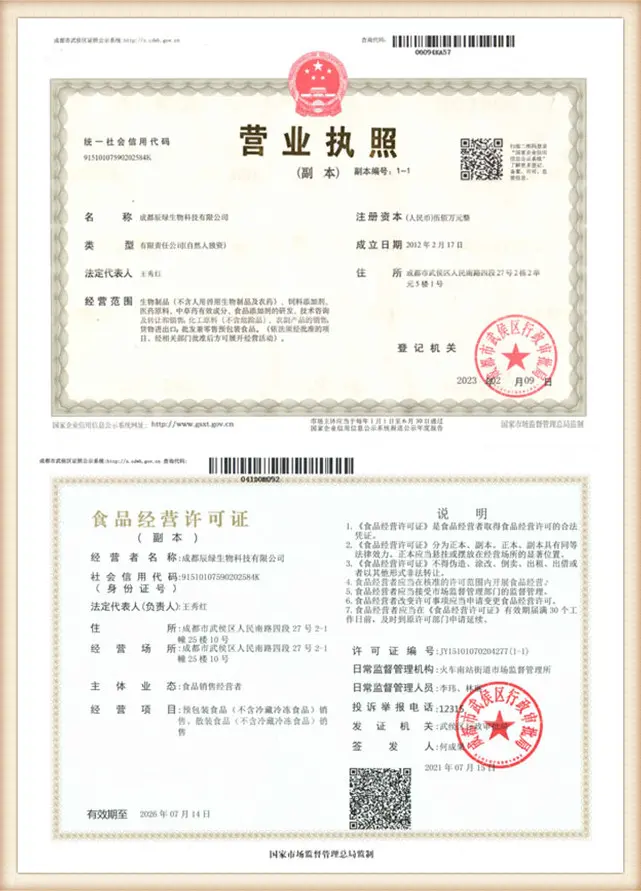
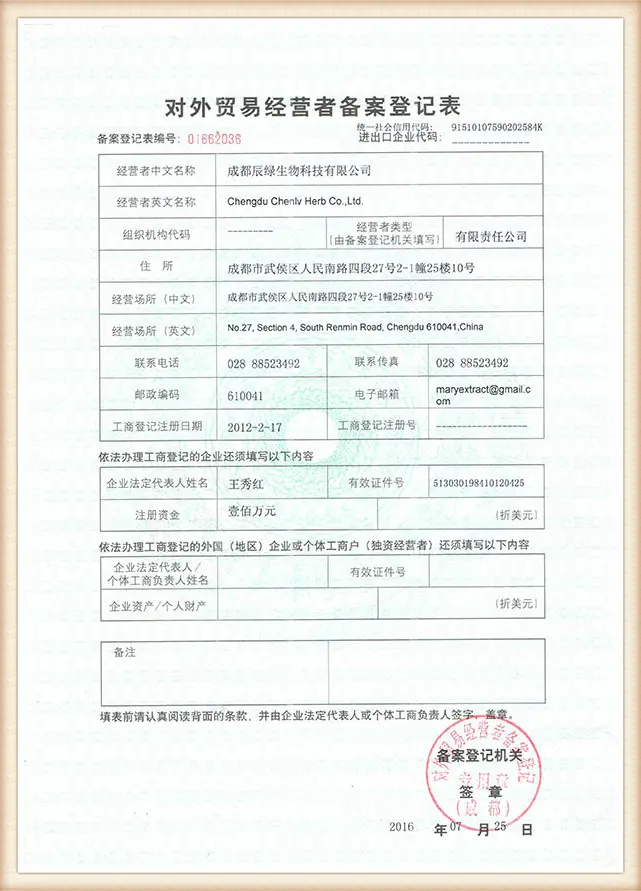
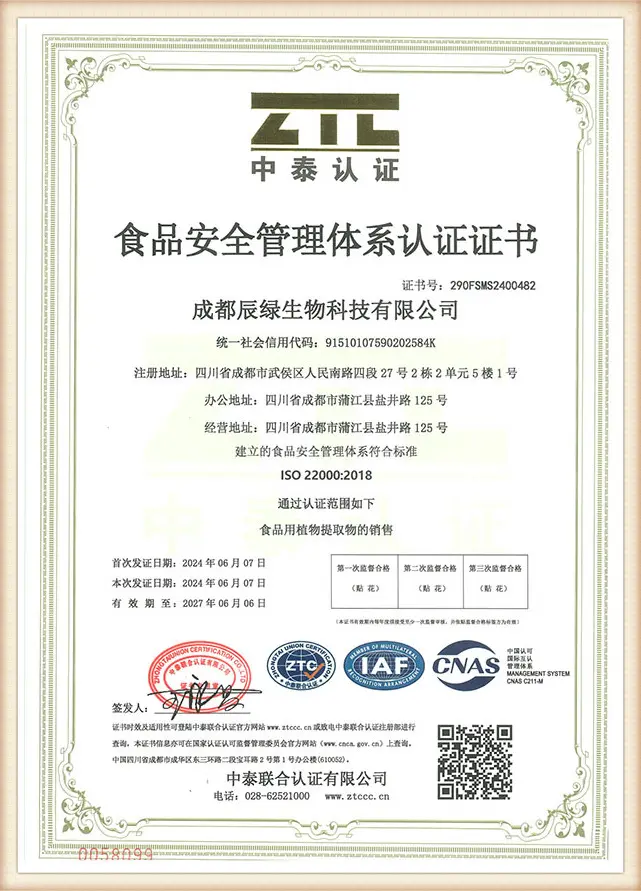
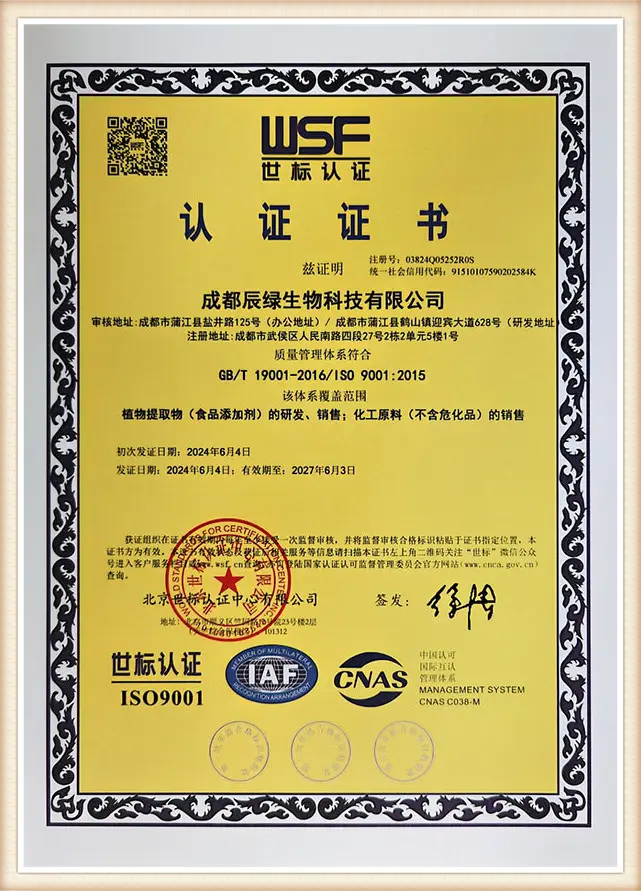
Chenlv Herb operations are backed by key global safety and quality accreditations. Our production facilities hold active certifications for ISO9001, ISO22000, HALAL, KOSHER, and FDA registration, assuring clients of exceptional manufacturing hygiene, batch-to-batch traceablity, and strict operational safety protocols.
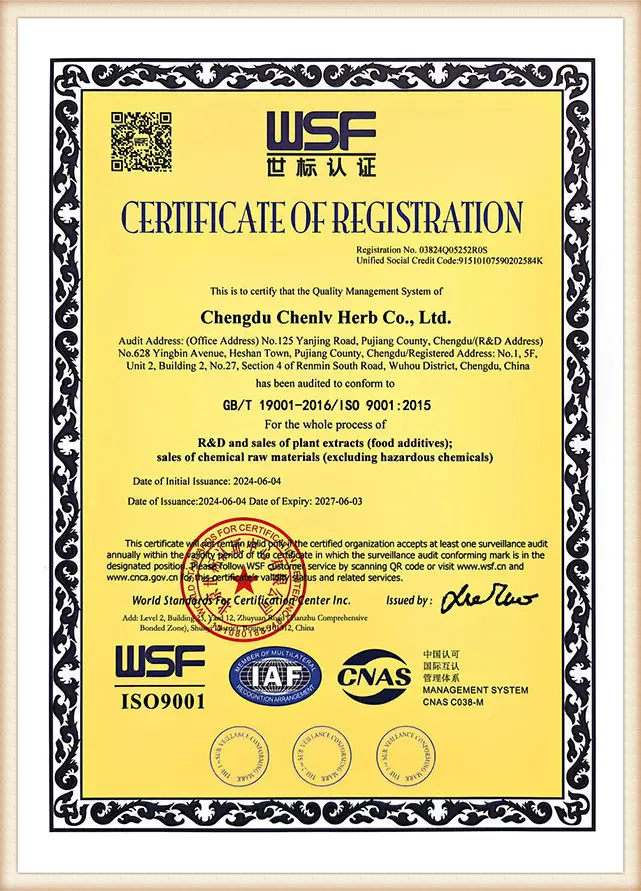
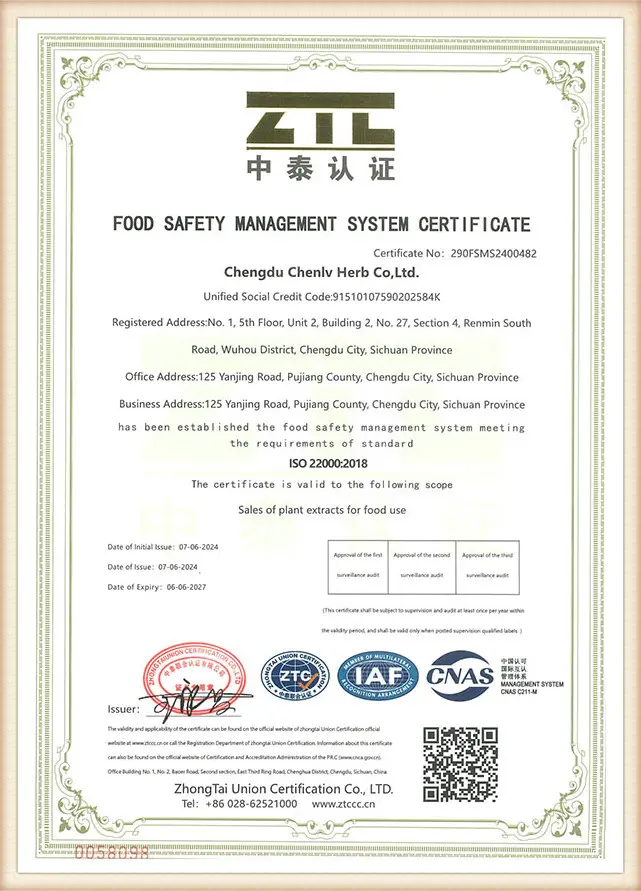
Strategic deployment of purified flavonoid products across clinical and dietary industries

Driven by the concept of "homology of medicine and food" and modern health needs, plant extracts have gradually become the core raw materials for the development of health care products due to their natural, green and safe characteristics. Diosmin is a cornerstone in dietary supplements targeting capillary resistance, legs swelling relief, and overall venous tone support.

From herbal formulas recorded in ancient books to modern innovative drugs, plant extracts occupy the prominent position in the pharmaceutical industry due to their natural active ingredients and unique pharmacological effects. In the medical field, micronized Diosmin (often combined with Hesperidin) acts as an active pharmaceutical ingredient (API) in prescription tablets aimed at treating acute hemorrhoidal attacks and venous stasis ulcers.

With consumers' pursuit of natural, safe, and sustainable skincare concepts, plant extracts have become a new favorite in the cosmetics industry due to their mildness, versatility, and biocompatibility, bringing new solutions for skin care. Topical formulations use Diosmin to reduce the appearance of broken capillaries, under-eye dark circles, and rosacea flare-ups.

Plant extracts have shown great potential in improving animal health, enhancing production performance and optimizing culture benefits, and are gradually becoming a research hotspot and new favorite in the field of animal nutrition. Introducing natural flavonoids protects livestock microvasculature, mitigates inflammatory markers, and elevates general physiological stamina.
Chenlv Herb provides one-stop contract manufacturing services from lab scale optimization to high-tonnage industrial production
Communicate with customers to determine product requirements
Provide a proposal quotation based on customer requirements
Sign a contract to further discuss the details of cooperation
Make samples
After customers confirm the samples, the factory schedules the production order
The factory tests the products and issues a certificate of analysis
Deliver finished products to customers
Why lead-tier global distributors and drug manufactures choose Chenlv Herb as their primary raw materials partner

Continuous engineering of product yields, crystal shapes, and advanced solubility frameworks.

Short lead times, reliable production scheduling, and optimized shipping lines.

Eco-friendly plant waste recycling and bio-catalysis alternatives to lower carbon footprints.

Active regulatory support, responsive customer care, and quick documentation dispatch.

Comprehensive testing of heavy metals, residual solvents, pesticides, and microbial counts.

Decades of experience navigating pharmaceutical quality regulations and botanic logistics.



As the pharmaceutical industry transitions towards greener and cleaner synthesis pathways, the traditional chemical dehydrogenation of hesperidin is undergoing modernization. The technology roadmap for next-generation Diosmin production focuses heavily on three pillars:
1. Enzymatic & Green Catalysis: Transitioning away from organic solvents like pyridine to aqueous or bio-based enzymatic conversion methods. This reduces carbon footprints, eliminates hazardous solvents, and meets strict green chemistry guidelines.
2. Sub-micron and Nano-structured Solid Dispersions: While jet milling to D90 ≤ 10 microns significantly helps, the next step involves developing co-precipitated amorphous solid dispersions. Combining Diosmin with hydrophilic carriers (e.g., PVP, PEG, or natural cyclodextrins) prevents recrystallization and maximizes intestinal uptake rates.
3. Multi-Flavone Synergy Blends (MPFF Evolution): Customizing ratios of Diosmin, Hesperidin, Linarin, and Isorhoifolin using integrated continuous chromatography (SMB) to construct precise therapeutic profiles optimized for vascular, metabolic, and anti-inflammatory targets.
Stay up to date with the latest developments in botanical extractions, raw material price shifts, and trade events
Scientific and commercial FAQ regarding PubChem Diosmin sourcing, structures, and specifications
Diosmin is listed in the PubChem compound library under CID 5281613. Its molecular formula is C28H32O15 and its IUPAC designation is 5-hydroxy-2-(3-hydroxy-4-methoxyphenyl)-7-[(2S,3R,4S,5S,6R)-3,4,5-trihydroxy-6-[[(2R,3R,4R,5R,6S)-3,4,5-trihydroxy-6-methyloxan-2-yl]oxymethyl]oxan-2-yl]oxychromen-4-one. It has a molecular weight of 608.5 g/mol.
Untreated Diosmin exists as relatively large crystalline structures with highly hydrophobic surface behavior. Sizing down particles to D90 ≤ 10 microns increases the specific surface area, allowing quicker dissolution in gastrointestinal tracts. This significantly boosts the rate and extent of systemic absorption in clinical environments.
It is produced by a semi-synthetic path starting with Hesperidin extracted from immature citrus fruits. The synthesis introduces a double bond between C2 and C3 of the flavone core. This dehydrogenation is typically accomplished using an iodine-catalyzed reaction in a polar solvent system, followed by strict filtration and crystallization loops to remove synthetic impurities.
Qualified buyers must ask for: a valid Certificate of Analysis (CoA showing HPLC purity ≥ 90% or ≥ 95% depending on requirements), heavy metal limits, pesticide screen, residual solvent levels (abiding by ICH Q3C limits), and regulatory documents including DMF registration, GMP verification, and ISO/Kosher/Halal certification records.
For inquiries about our products or pricing lists, please leave your contact details. Our technical team will get back to you within 24 hours.
Premium natural botanical extracts manufactured under strict quality standards for Global Distribution
 Chenlv Herb