Explore our high-demand industrial compounds and plant-derived products optimized for global buyers.
N-Valeric Acid (also known systematically as pentanoic acid, CAS No. 109-52-4) is a straight-chain alkyl carboxylic acid containing five carbon atoms. Recognized as a critical chemical intermediate, it acts as a foundational building block in the synthesis of high-value esters, plasticizers, industrial lubricants, pharmaceuticals, and agricultural chemicals. Understanding the nuances of the global supply chain, raw material extraction, and synthetic pathways is paramount for procurement officers and chemical manufacturers seeking optimized operational efficiencies.
In terms of chemistry, N-valeric acid naturally occurs in various perennial plants, most notably in the roots of Valeriana officinalis (Valerian). Historically extracted for medicinal applications, modern industrial demands require large-scale synthetic pathways alongside botanical extractions to satisfy both the chemical processing industries and the rising demand for "natural-grade" flavor precursors. For global enterprises, selecting the correct quality grade and verifying the compliance parameters of Chinese exporters forms the bedrock of supply chain security.
For precise formulations, buyers must distinguish between industrial synthesis grades and high-purity natural isolates. Below is the technical specification breakdown for standard industrial and pharmaceutical-grade N-Valeric Acid offered by leading Chinese manufacturers.
| Specification Parameters | Industrial Grade | Pharmaceutical & Natural Grade | Testing Methodology (typical) |
|---|---|---|---|
| Appearance | Clear, colorless to light yellow liquid | Colorless transparent liquid | Visual Inspection |
| Assay (Purity) | ≥ 99.0% | ≥ 99.5% | Gas Chromatography (GC-FID) |
| Water Content | ≤ 0.15% | ≤ 0.08% | Karl Fischer Titration |
| Isomer Content (Iso-Valeric) | ≤ 0.8% | ≤ 0.2% | High-Resolution GC |
| Density (20°C) | 0.938 – 0.942 g/cm³ | 0.939 g/cm³ | Pycnometer Method |
| Heavy Metals (as Pb) | N/A | ≤ 10 ppm | ICP-MS |
The global chemical markets are increasingly looking to Chinese factories to stabilize their raw material inputs. The fundamental driver behind China's dominance in N-Valeric Acid production lies in the mature integration of the upstream petrochemical and downstream fine chemical sectors.
By utilizing efficient Oxo Synthesis (Hydroformylation) of butene to generate valeraldehyde, followed by oxidation processes, Chinese chemical complexes achieve significant economies of scale. Furthermore, the geographical positioning of key production units, such as Chengdu Chenlv Herb's collaborative manufacturing bases, provides an integrated supply of starting materials. This integration eliminates inter-state logistics costs and minimizes exposure to volatile precursor pricing.
Equally important is the application of green chemistry regulations. Over the last decade, strict Chinese environmental mandates have forced factories to upgrade to closed-loop manufacturing systems. These upgrades focus on reducing emissions and implementing advanced catalytic systems. The result is a highly consistent product output that meets the expectations of international auditing boards.
Navigating the complex regulatory waters is one of the primary hurdles for international buyers. Because N-valeric acid is classified as a Class 8 Corrosive Liquid (UN 3265), packaging, labeling, and shipping demand rigorous compliance.
To ensure smooth customs clearances, exporters must provide comprehensive documentation:
The utility of Pentanoic Acid spans multiple sectors. Depending on the geographical target and industrial ecosystem, the compound is applied in distinct production phases:
Utilized as a precursor to synthesize valerate esters, API salts, and sedative compounds. The quality demands minimal moisture and isomer levels to prevent toxic side-reactions.
LEARN MORE
Reacting N-Valeric acid with various alcohols yields specialty esters (like ethyl valerate, which boasts a sweet, fruity odor profile resembling apple or pineapple) for fine perfumery.
LEARN MORE
Its esters serve as low-temperature plasticizers and synthetic lubricants. These products are heavily leveraged in automotive, aerospace, and advanced polymer compounding.
LEARN MORE
Established in 2012, Chengdu Chenlv Herb Co., Ltd. has developed into a high-tech enterprise specializing in the research, development, manufacturing, and distribution of botanical extracts and high-purity natural pharmaceutical ingredients.
Operating from our state-of-the-art 9,514 square meter facility, we are dedicated to supplying high-purity, highly active raw materials to the pharmaceutical, dietary supplement, food, and cosmetic industries worldwide. Our commitment to continuous technical innovation, comprehensive quality control, and reliable logistics forms the cornerstone of our global supply capabilities.
A streamlined pathway from initial request to high-volume manufacturing, built on international quality standards.

Initial alignment on product specifications, quality purity requirements, and target volumes.

Detailed cost breakdown, lead-time estimation, and compliance paperwork preparation.

Legalizing supply agreements, confidentiality parameters, and quality clauses.

Laboratory-scale synthesis, pilot testing, and formulation analysis for target samples.

Factory scheduling, raw material intake, and automated reactor control procedures.

Rigorous chemical, microbiological, and physical analysis with COA release.

Optimized logistics delivery to regional distribution ports under regulated conditions.
Why chemical and pharmaceutical procurers choose Chenlv Herb as their strategic manufacturing partner.

Continuous investment in purification and extraction methodologies, providing our customers with higher active ingredient concentrations and lower impurity counts.

Advanced, automated factory equipment guarantees optimized run cycles, reducing energy consumption and enabling swift reaction to large-scale market orders.

Committed to eco-friendly production pipelines, green solvents, and bio-based sourcing pathways that reduce carbon footprints and support green initiatives.

A dedicated team of technical support specialists and regulatory managers coordinates custom synthesis orders, documentation, and international shipping logistics.

Our labs utilize advanced Gas Chromatography, HPLC, and mass spectrometry, ensuring that every batch complies strictly with agreed specification contracts.

Drawing on years of organic synthesis and natural plant extraction expertise, we translate client chemical challenges into robust production formulas.
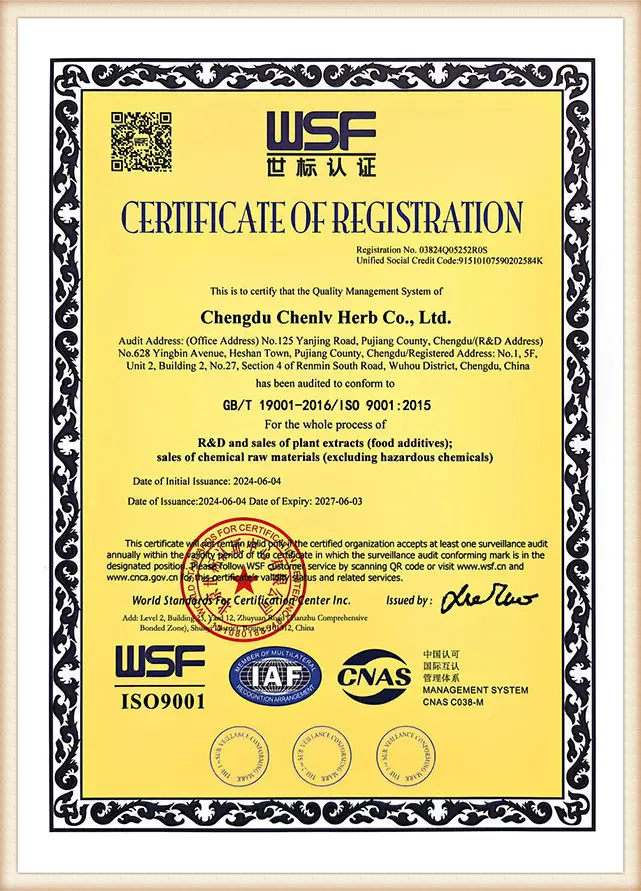
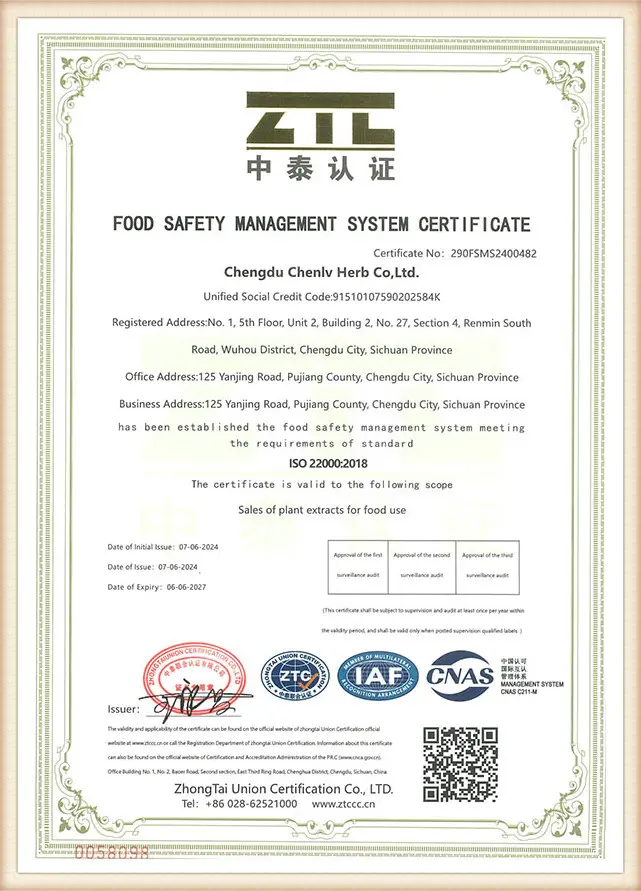
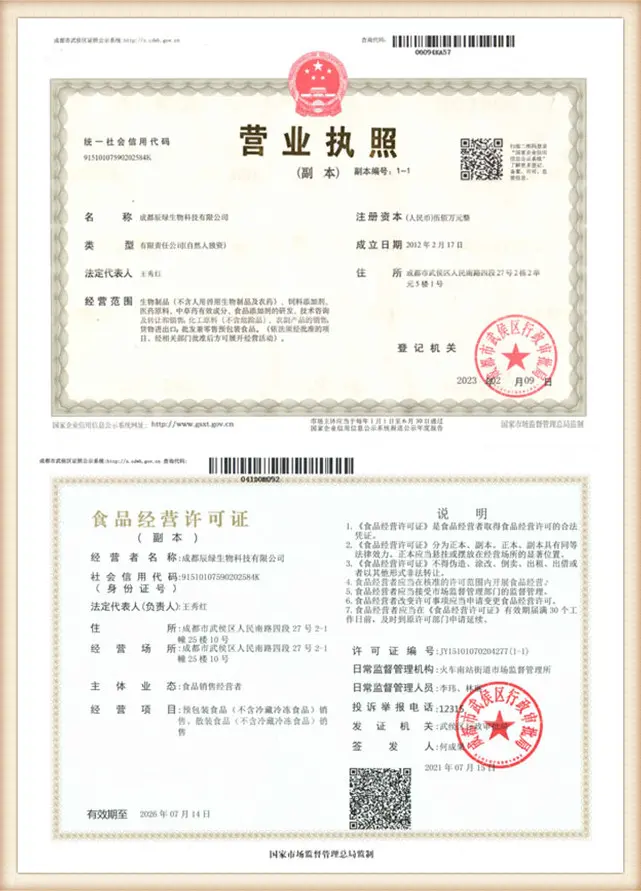
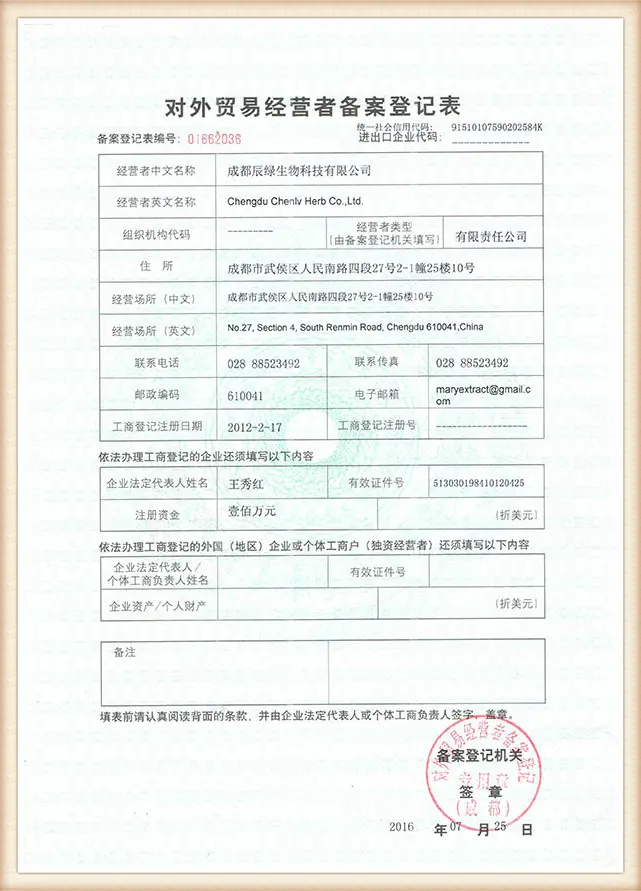
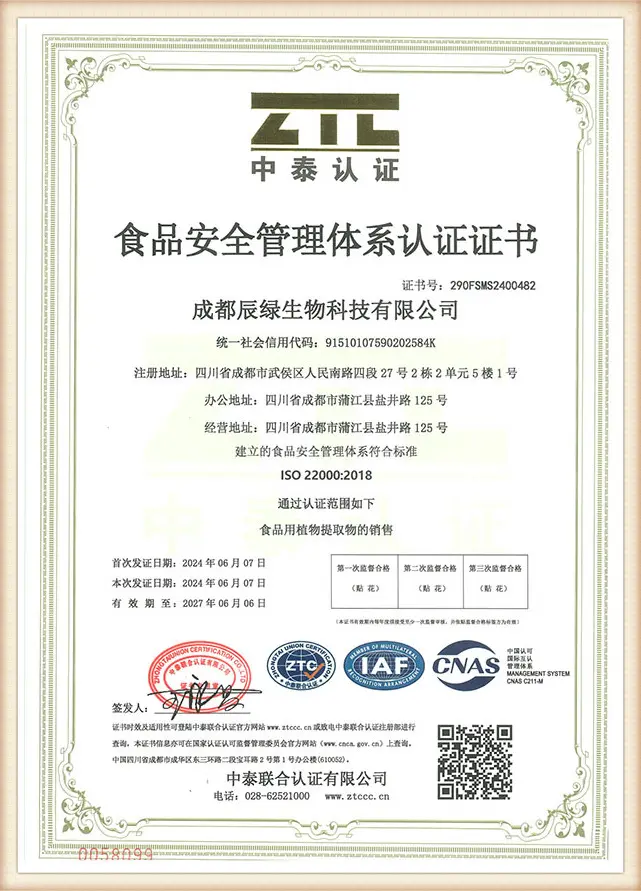
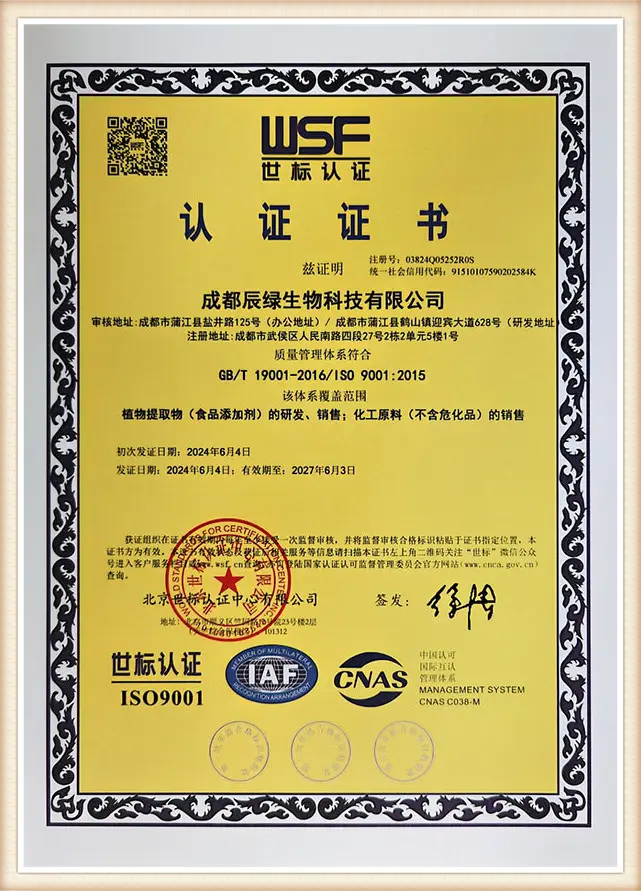
Our operations comply with global supply requirements under strict supervision of standard certification bodies.
Keep up with the shifting trends, market dynamics, and upcoming trade events in the biochemical and natural extracts fields.
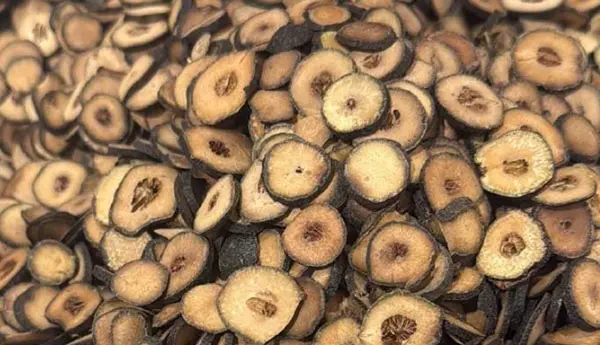
Detailed analysis of Chinese agricultural and petrochemical precursor price fluctuations, outlining key factors affecting extract margins and synthetic chemical stability over the coming fiscal quarters.
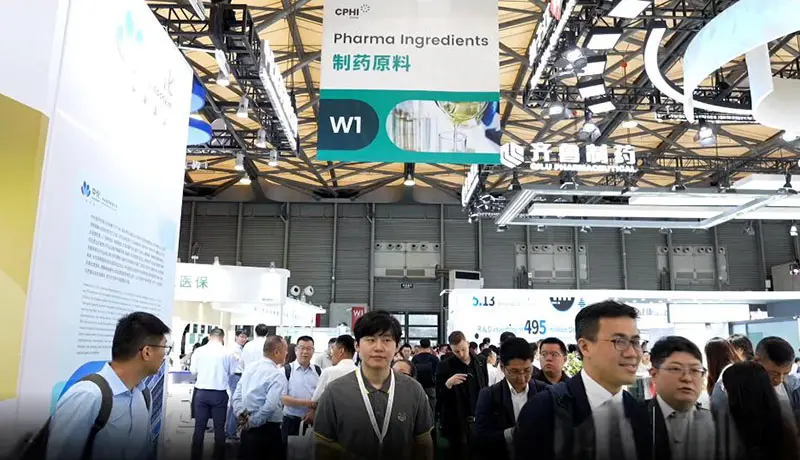
Join our core engineering and export logistics team as we exhibit at the upcoming CPHI China. We will share insights regarding our latest natural extract upgrades and chemical purification lines.
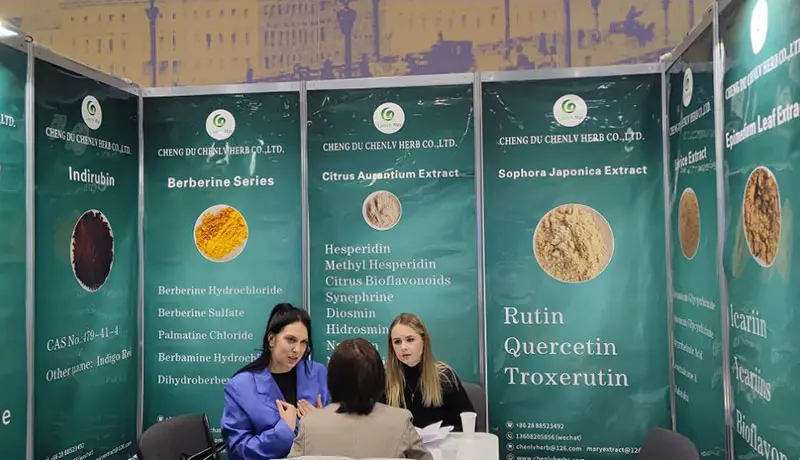
Our commercial and R&D divisions will present new pathways in custom manufacturing and ingredient extraction at the China Import and Export Fair Exhibition in Guangzhou.
Critical knowledge regarding chemical properties, quality protocols, delivery, and regulatory clearances.
For industrial applications, the standard assay of N-Valeric Acid is ≥ 99.0% (determined by Gas Chromatography). For demanding applications such as pharmaceutical synthesis or high-grade flavor formulation, we offer high-purity variants with assays exceeding 99.5% and extremely low isomer levels (Iso-Valeric acid ≤ 0.2%).
It is categorized under UN Class 8 (Corrosive Liquids, Acidic, Organic, N.O.S.), UN Number 3265, Packing Group II. This classification requires specialized packaging (such as high-density polyethylene drums or ISO Tanks) and GHS-compliant warning labels for hazardous transport.
We provide a complete documentation package, including the Certificate of Analysis (COA) for the specific batch, a detailed Safety Data Sheet (SDS) compliant with local regulations (GHS/OSHA/CLP), a commercial invoice, a packing list, and, where applicable, the necessary REACH declaration or certificate of origin.
Yes. Through our structured Contract Manufacturing process, we can adjust specific parameters such as water content limits, specific isomer thresholds, or density targets. Our pilot facility can generate trial batches to verify the compound's performance in your synthesis cycles.
Quality-assured plant extracts and intermediates with certified purity profiles.
 Chenlv Herb