Premium selection of phyto-active extracts and custom-formulated compound options for global contract manufacturing.
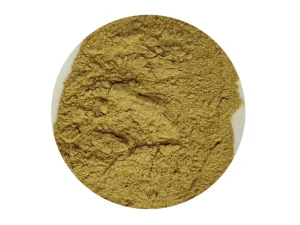
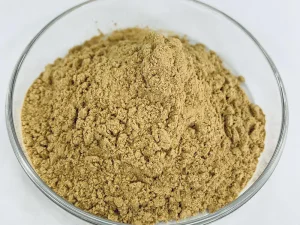
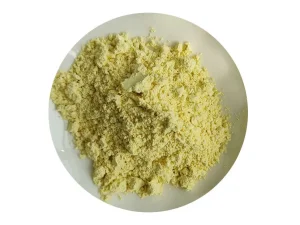
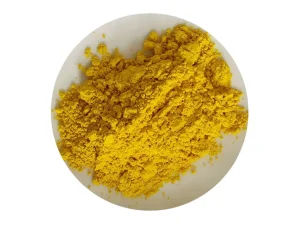
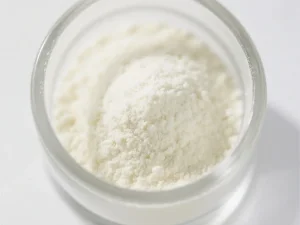
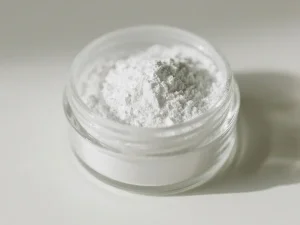
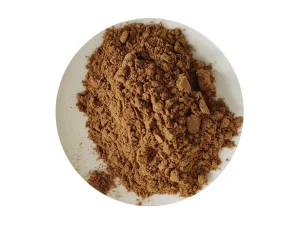
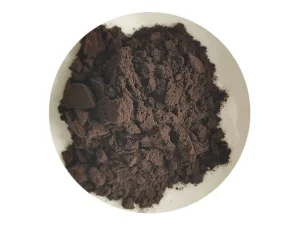
Quercetin, a highly bio-active polyphenolic flavonoid chemically identified as 2-(3,4-dihydroxyphenyl)-3,5,7-trihydroxy-4H-chromen-4-one, has stood at the absolute forefront of cellular immunology and phytochemistry over the past decade. Traditionally derived from natural botanical raw materials such as the flower buds of the pagoda tree (Sophora japonica), onions, and apples, Quercetin plays a key physiological role in human health by serving as a broad-spectrum cellular stabilizer.
From a molecular biology standpoint, Quercetin acts as a natural zinc ionophore, facilitating the transport of zinc ions across the lipid membrane of cells. Inside the cell, elevated zinc levels inhibit the RNA-dependent RNA polymerase enzyme, a critical pathway that viral agents use to replicate. Furthermore, Quercetin has been proven to downregulate the transcription of inflammatory cytokines (such as Interleukin-6, TNF-alpha, and IL-1beta) by inhibiting the Nuclear Factor kappa B (NF-kB) signaling pathway. It also stabilizes mast cells, preventing the systemic release of histamines. This makes it an invaluable raw material for clean-label immune support supplements, seasonal respiratory aids, and chronic inflammatory relief therapeutics.
"The therapeutic application of Quercetin is no longer limited by its hydrophobic nature. Through advanced encapsulation technologies, enzymatic modifications, and modern co-crystallization processes, global manufacturers have successfully overcome the traditional bioavailability bottleneck."
The global trade of Quercetin-related botanical extracts represents a multi-billion dollar market. Raw materials flow systematically from intensive agricultural extraction bases in East Asia to advanced processing and formulation hubs in North America and Western Europe. Global B2B buyers must navigate complex factors such as geographical sourcing, regulatory compliant purity levels, and environmental sustainability.
Famous Quercetin factories are primarily divided into two categories: high-capacity primary raw material extractors located near botanical growing hubs, and advanced biochemical refiners specialized in specialized forms of the molecule. The major primary extraction hub of the world is China, where massive agricultural infrastructure enables the harvesting of high-yield Sophora japonica. Conversely, companies in Western markets generally focus on secondary processing—such as formulating phytosomes, producing liposomal powders, or synthesizing Dihydroquercetin (Taxifolin) with enhanced bioavailability profiles.
China has firmly established itself as the dominant global force in the extraction and export of raw Quercetin and its immediate derivatives, such as Dihydroquercetin and Methyl-hesperidin. This dominance is not built merely on low-cost labor, but rather on significant industrial integration and raw material supply chain advantages.
First, the country controls the vast majority of global Sophora japonica cultivation. Industrial clusters in Shaanxi, Guangxi, and Sichuan provinces place raw material extraction facilities directly adjacent to agricultural fields. This proximity eliminates raw material spoilage and dramatically cuts logistic costs. Secondly, Chinese extractors like Chengdu Chenlv Herb Co., Ltd. utilize advanced, automated countercurrent extraction systems combined with inline HPLC monitoring. These technologies allow for the production of standard 95% and 98% Quercetin (by HPLC) at economies of scale that are simply unmatched globally. Furthermore, the systematic integration of clean-energy steam systems and waste-management loops minimizes the overall carbon footprint per metric ton produced, satisfying the stringent ESG sourcing demands of global brands.
Despite its proven therapeutic potential, native Quercetin is notoriously hydrophobic, showing poor solubility in water and extremely low systemic absorption rates (often under 2%). Modern research and development efforts have focused intensely on overcoming this challenge. This has resulted in several breakthrough formats currently produced by leading pharmaceutical manufacturers:
Empirical data demonstrating our global manufacturing footprint and capabilities in botanical extraction.
How we combine advanced research, cost-efficient processes, and comprehensive quality control to support your brand.
Creative designs, novel delivery systems, and tailor-made molecular structures that elevate your brand's market value.
Optimized extraction runs, sustainable logistics, and quick turnaround times to keep your supply chain running smoothly.
Full traceability back to agricultural sources, featuring eco-friendly packaging and ethical cultivation practices.
Fast communication, direct access to chemical engineering specialists, and transparent delivery updates.
Rigorous multi-stage analytical testing including heavy metal ICP-MS, solvent residue GC, and identity HPTLC.
Leveraging decades of specialized knowledge in regulatory procedures and compliance protocols.
How natural active molecules are integrated into distinct, high-growth global consumer products.
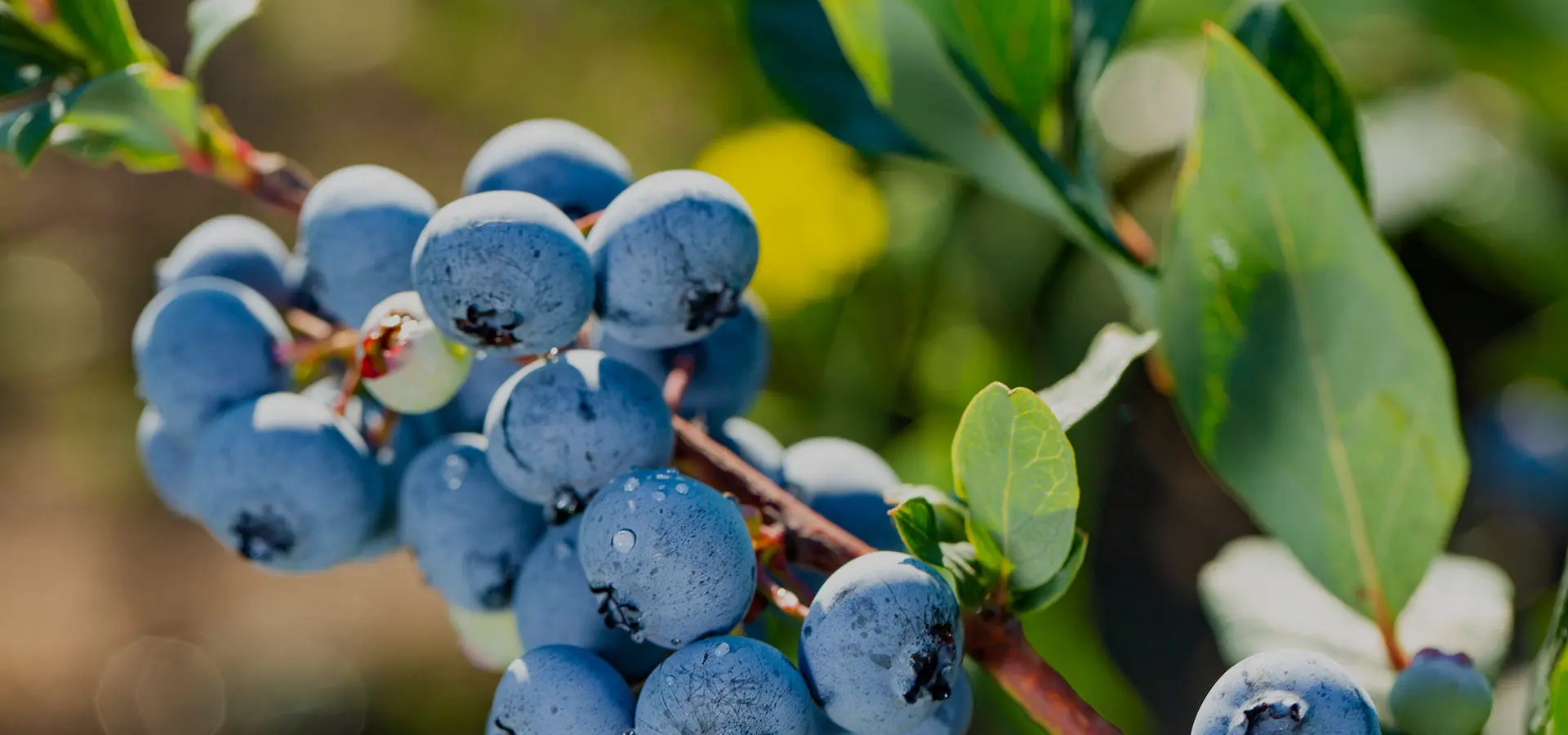
Natural plant extracts are widely used as the active core for modern dietary supplements, promoting systemic health.
Explore Applications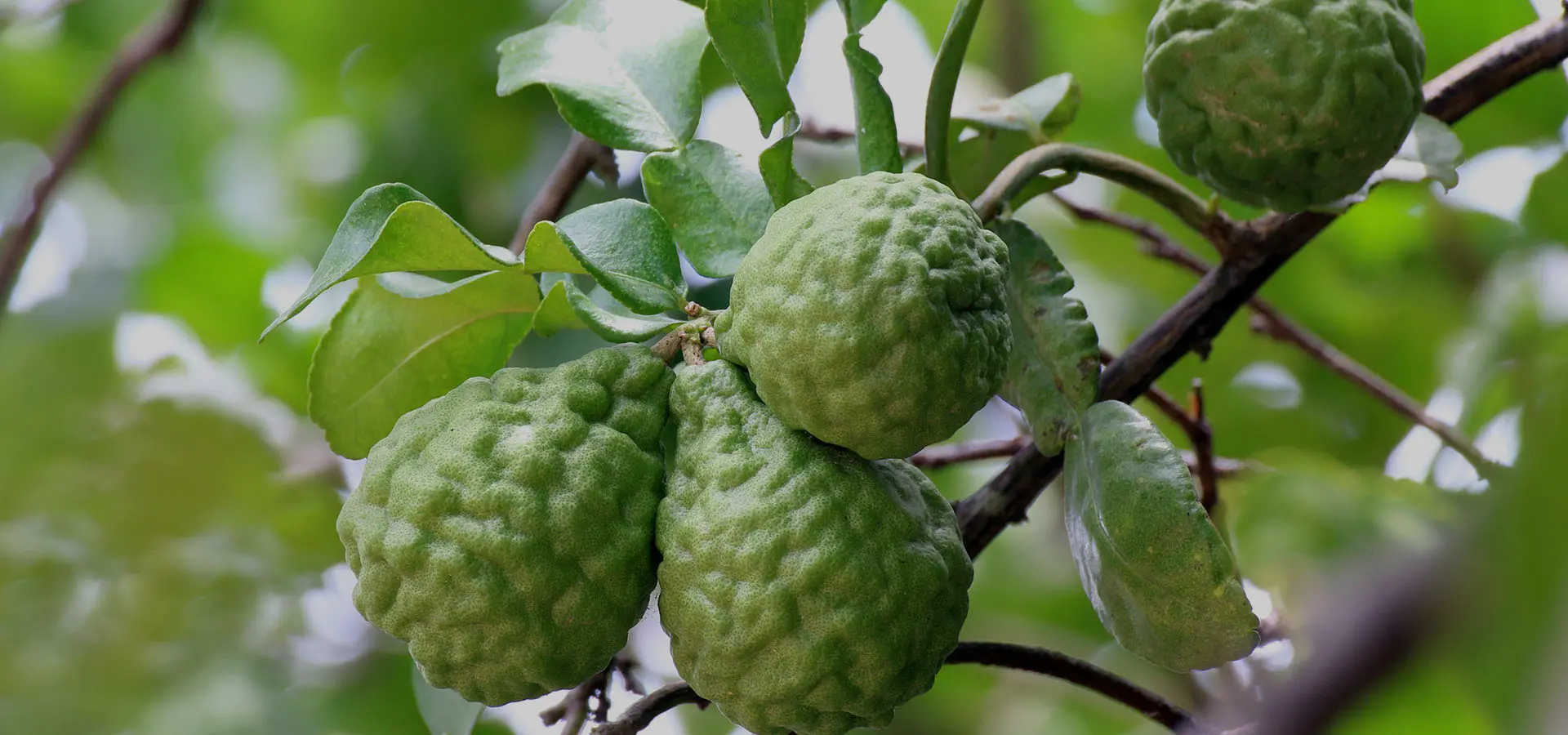
Highly purified natural compounds serve as active pharmaceutical ingredients (APIs) with specific therapeutic actions.
Explore Applications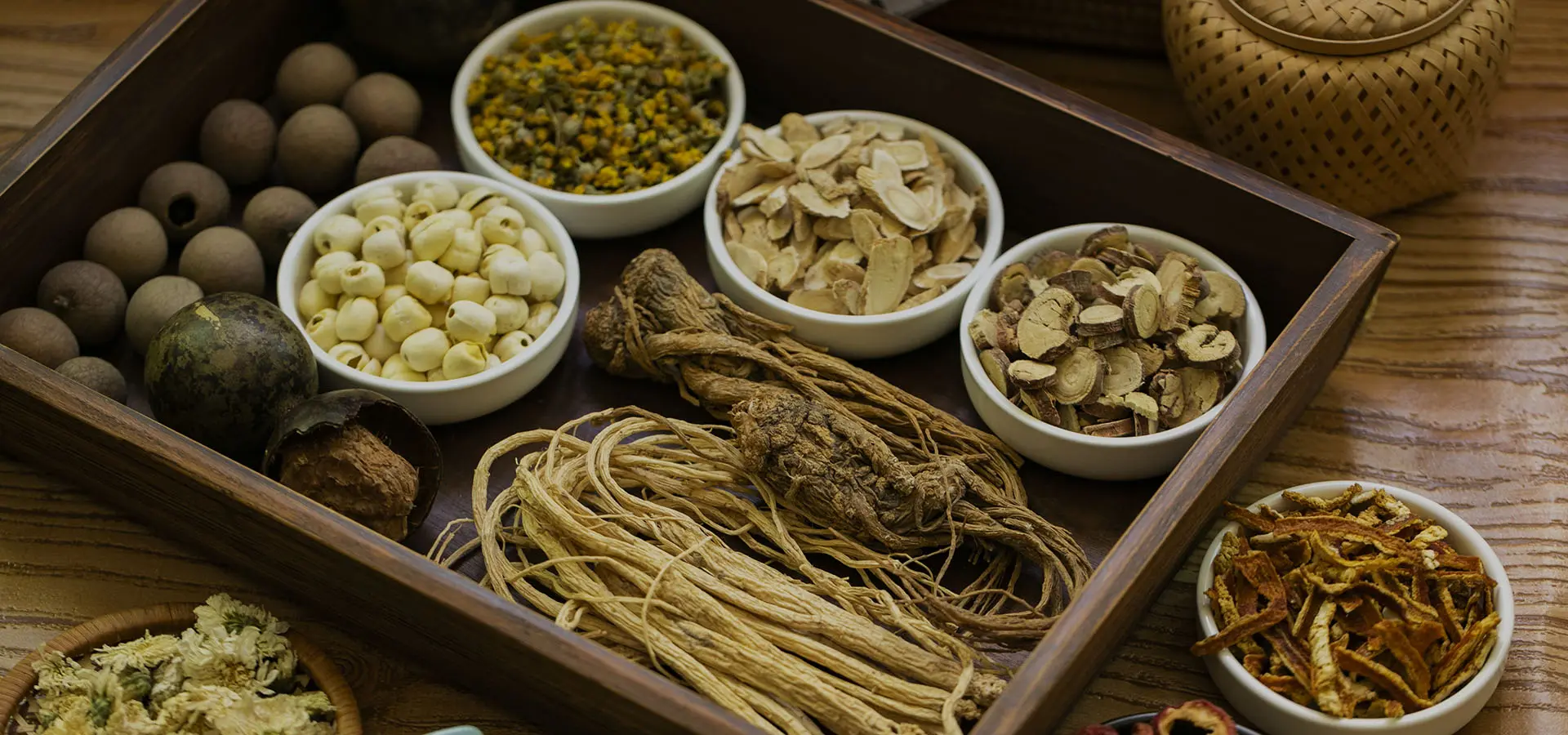
Natural botanical antioxidants protect skin tissue from oxidative damage, supporting clean-label personal care.
Explore Applications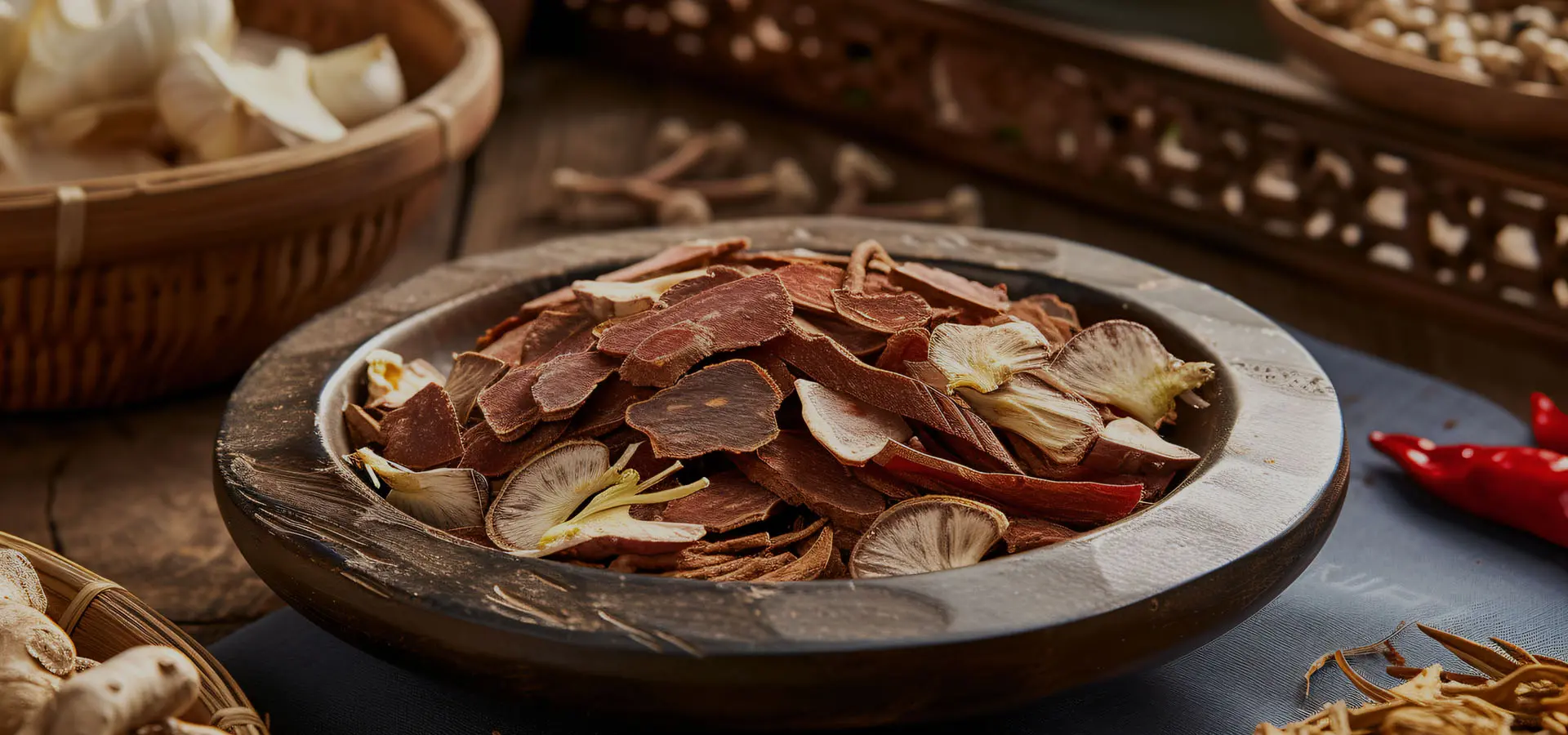
Natural plant extracts provide effective growth-promoting actions and support immune health in livestock and pets.
Explore ApplicationsOur process from initial product consultation to final global dispatch, ensuring full transparency.

Determine exact requirements and raw material parameters.

Provide transparent cost assessments and pricing models.

Establish production SLAs and quality expectations.

Develop customized pilot batches and lab assays.

Initiate mass scale runs in GMP-certified extraction lines.

Complete comprehensive COA validation and batch testing.

Deliver cleared goods with complete customs documentation.
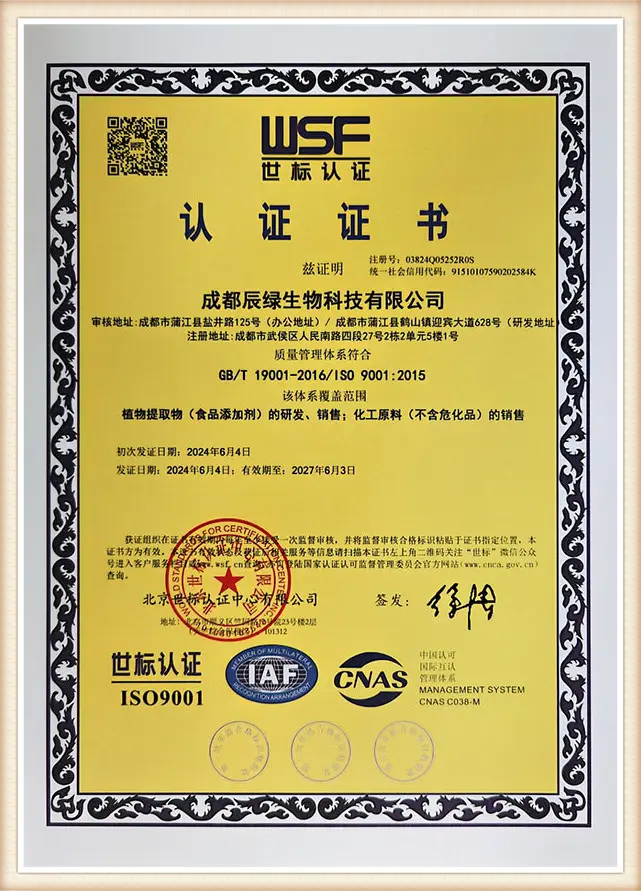
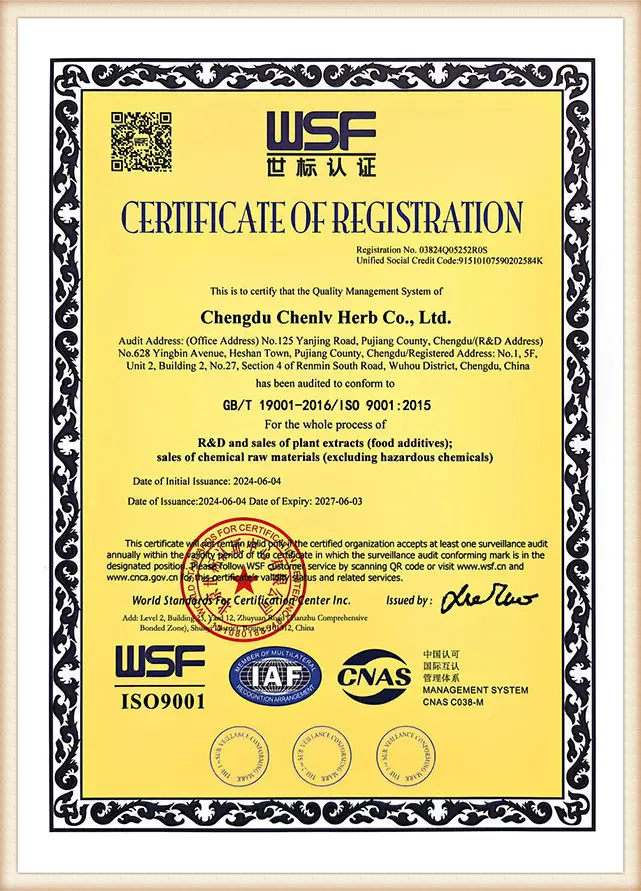
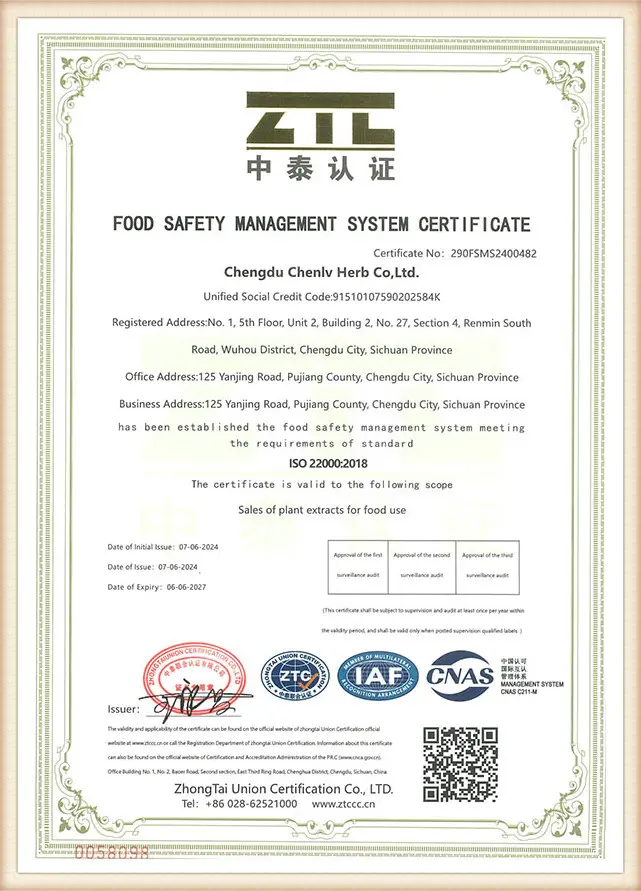
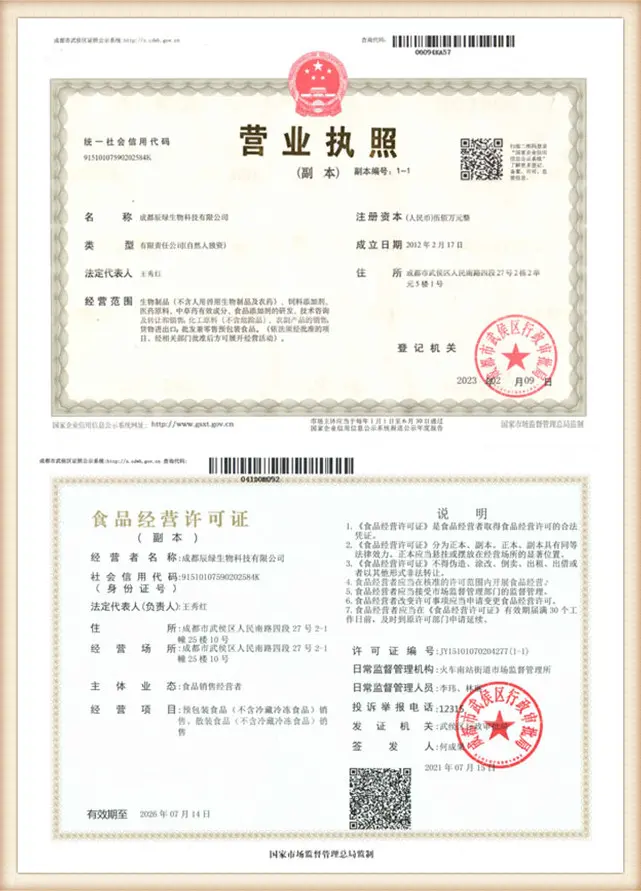
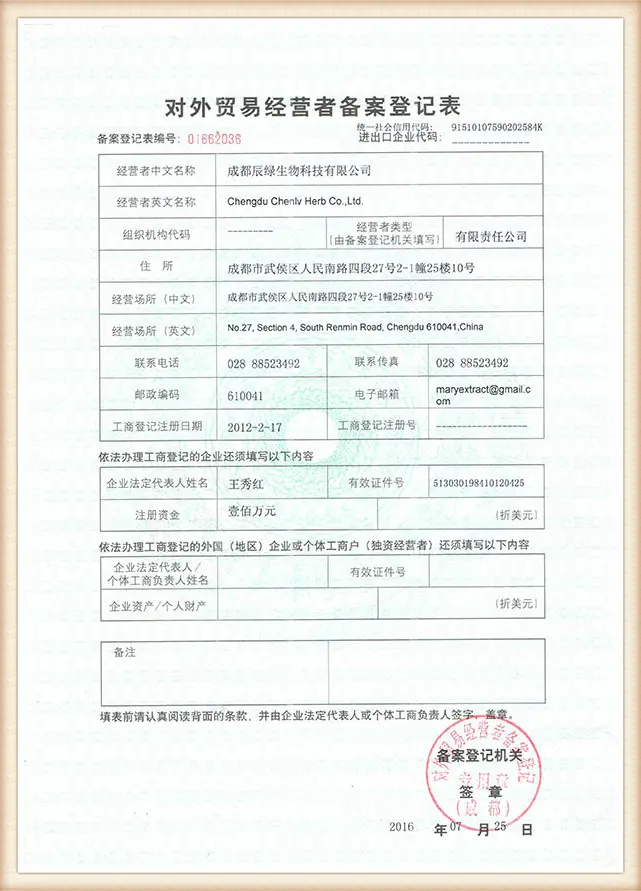
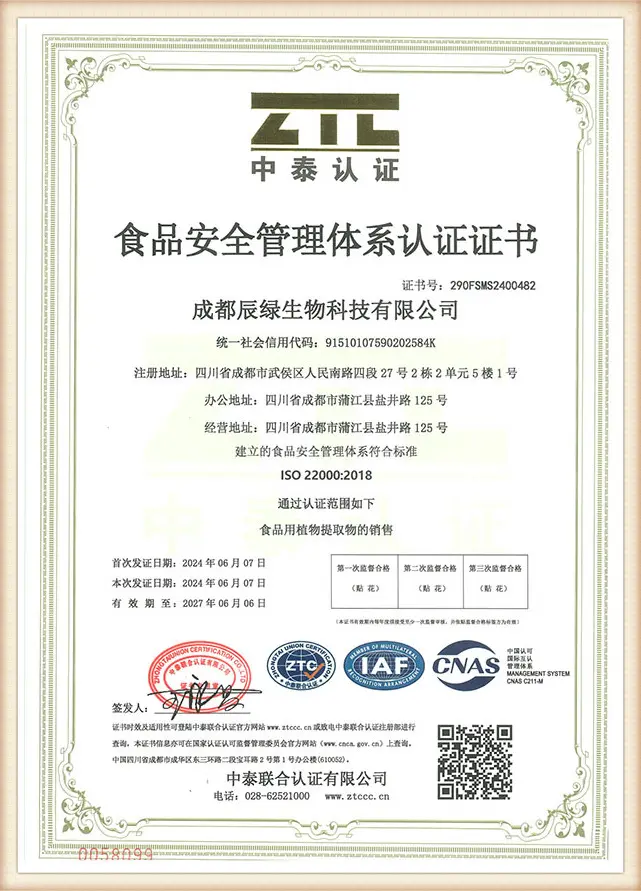
Our facility operates under rigorous international certifications to ensure product quality and regulatory compliance.
Insights, raw material forecasts, and company updates directly from our agricultural processing labs.
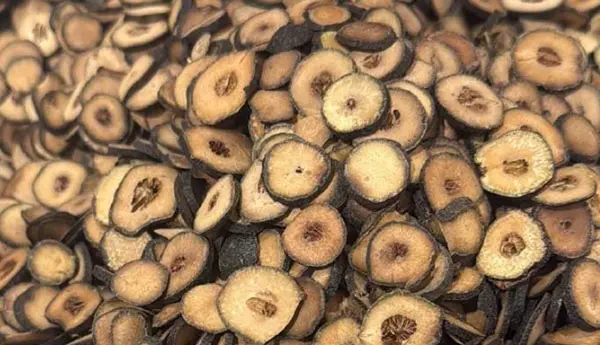
A detailed analysis of the rising costs in the raw material market of Citrus aurantium and its future prospects.
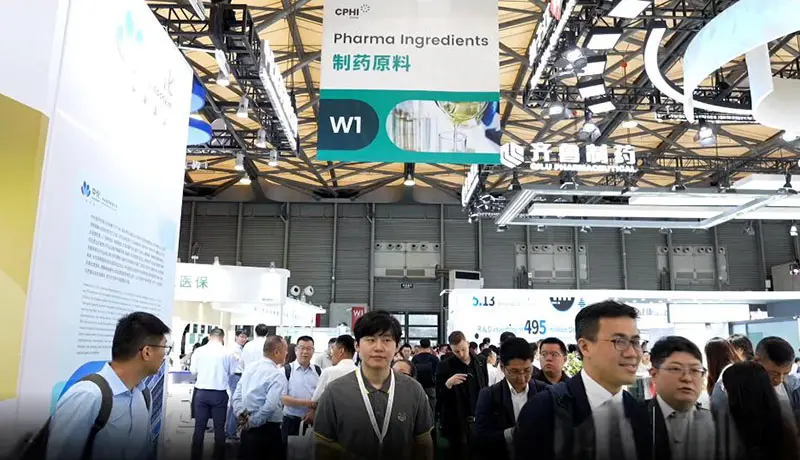
Meet our extraction specialists and explore new opportunities in phytochemistry at the pharmaceutical ingredients trade fair.
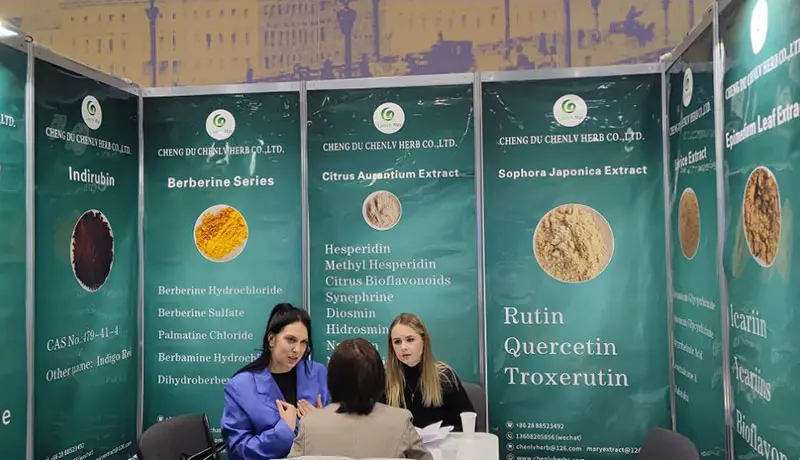
Discussing new chapters in raw material technologies and biological processes at the upcoming API China event.
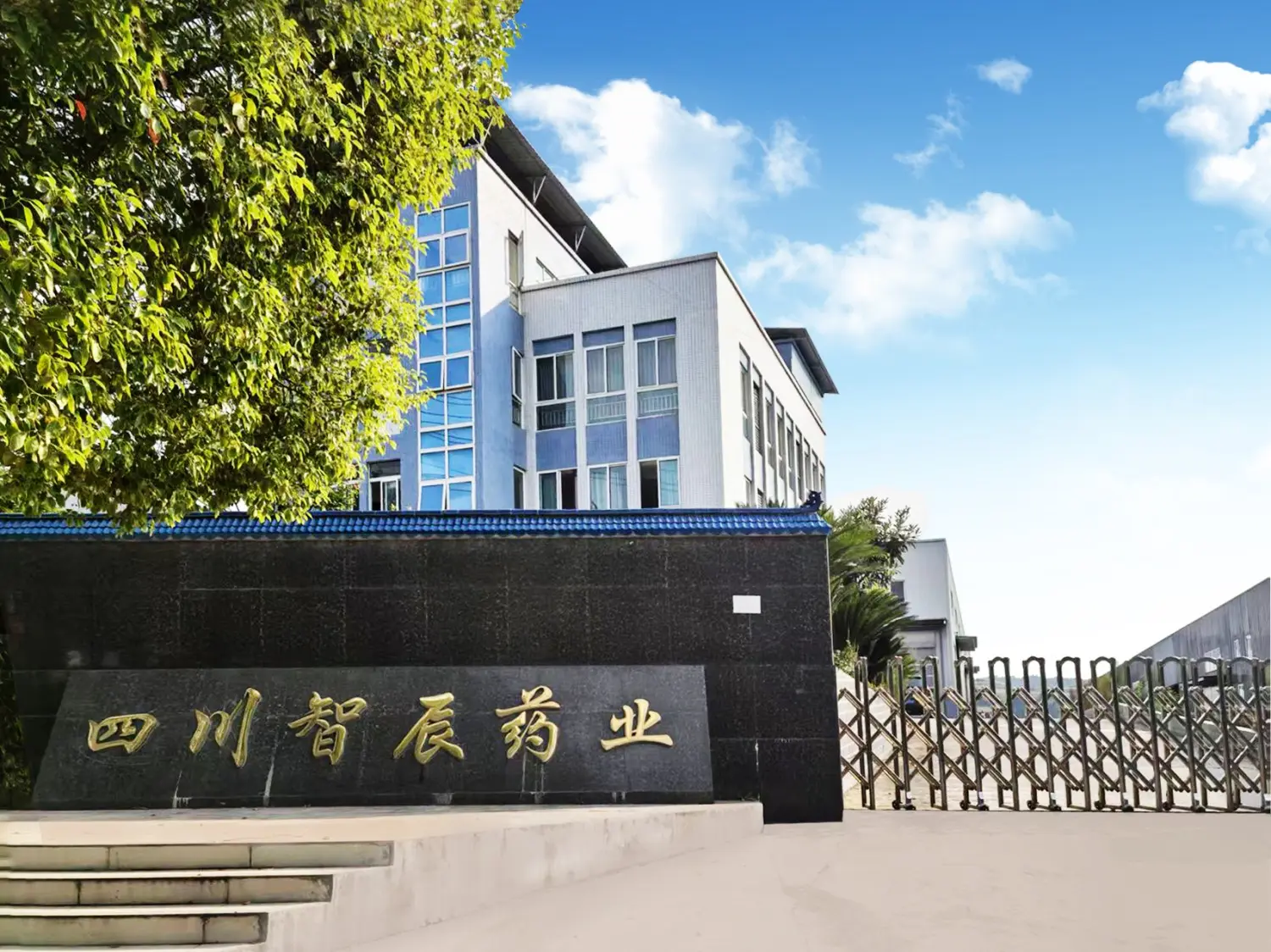
Chengdu Chenlv Herb Co., Ltd. (referred to as "Chenlv Herb") was established in 2012 as a high-tech enterprise specializing in the R&D, production, and sales of botanical extracts and natural pharmaceutical ingredients. Committed to providing high-purity, highly active, and premium-quality natural raw materials, the company serves diverse industries, including pharmaceuticals, health supplements, food, and cosmetics.
Expert answers regarding chemical specification, sourcing procedures, and delivery methods.
The industry standard for premium Quercetin derived from Sophora japonica is 95% and 98% purity, verified by High-Performance Liquid Chromatography (HPLC). For custom formulations, factories can also adjust particle sizes through micro-milling processes to improve dispersion.
Every batch undergoes testing in compliance with USP <561> (for pesticides) and USP <233> (for elemental impurities via ICP-MS). Complete Certificate of Analysis (COA) records are issued for every shipment, verifying safety parameters.
Standard catalogue orders are processed and ready for sea or air cargo within 7 to 10 working days. Custom particle sizes or specific certifications (like IP Non-GMO) may require 15 to 20 days depending on production scheduling.
Yes, Dihydroquercetin (Taxifolin) contains two additional hydrogen atoms, altering its crystalline structure. This difference enhances its solubility in water and increases its relative chemical stability in liquid systems.
Further raw material formulations and compound extracts designed to meet global pharmaceutical and healthcare standards.
 Chenlv Herb