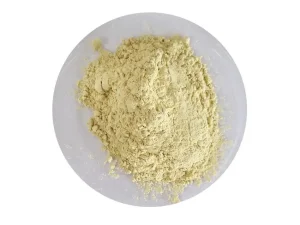
Essential components supporting clinical diagnostics, reference standard calibration, and innovative phytotherapeutic formulations.
Jaundice, clinically presenting as hyperbilirubinemia, serves as a primary diagnostic indicator for an array of neonatal, hepatic, and biliary anomalies. Structuring effective systems for jaundice detection—ranging from point-of-care diagnostics to chromatographic chemical reference calibration—demands absolute precision from suppliers. Key physiological agents, specifically bile acids and botanical extract alternatives, play a parallel role in both diagnosing clinical hepatobiliary functions and alleviating systemic cholestasis.
At the center of jaundice diagnosis and care is the measurement of serum bilirubin. Unconjugated bilirubin, a lipophilic byproduct of heme catabolism, must undergo conjugation in the liver via the enzyme UDP-glucuronosyltransferase (UGT1A1). Disruptions in this pathway, such as neonatal enzyme immaturity or adult biliary obstruction, cause bilirubin accumulation, yielding the clinical manifestations of jaundice.
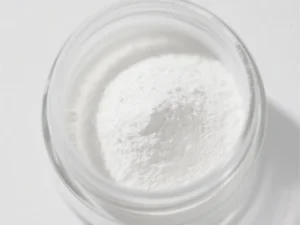
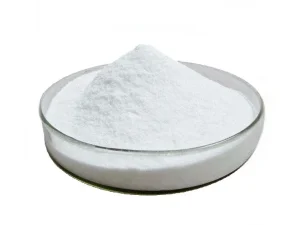
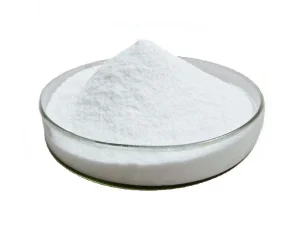
To accurately calibrate test equipment, clinical labs employ high-purity bile acid standards. Chenodeoxycholic Acid (CDCA) is one of the primary bile acids synthesized by the human liver. Its chemical purity and availability as an ODM standard are vital for chromatographic assays that delineate obstructive vs. hepatocellular jaundice. Similarly, Taurochenodeoxycholic Acid sodium salt acts as a key physiological conjugant. In clinical assay controls, these bile acids provide the base metrics required to distinguish benign hyperbilirubinemia from severe intrahepatic cholestasis.
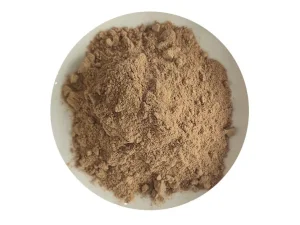
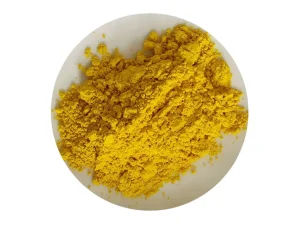
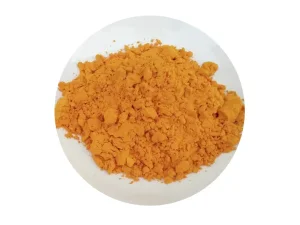
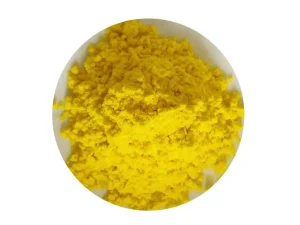
Beyond diagnostics, managing jaundice and its underlying hepatic distress involves natural active ingredients. Historically, compounds like Berberine Hydrochloride and Dipotassium Glycyrrhizinate have demonstrated marked efficacy in reducing liver inflammation, facilitating bile secretion, and protecting hepatocytes from bile acid-induced apoptosis. Berberine exhibits strong AMPK-activating properties, modulating hepatic lipid and glucose metabolism while lowering inflammatory cytokines. Dipotassium Glycyrrhizinate, derived from licorice root, functions as a high-potency anti-inflammatory agent, widely integrated into pharmaceuticals targeting chronic hepatitis and cholestatic liver damage.
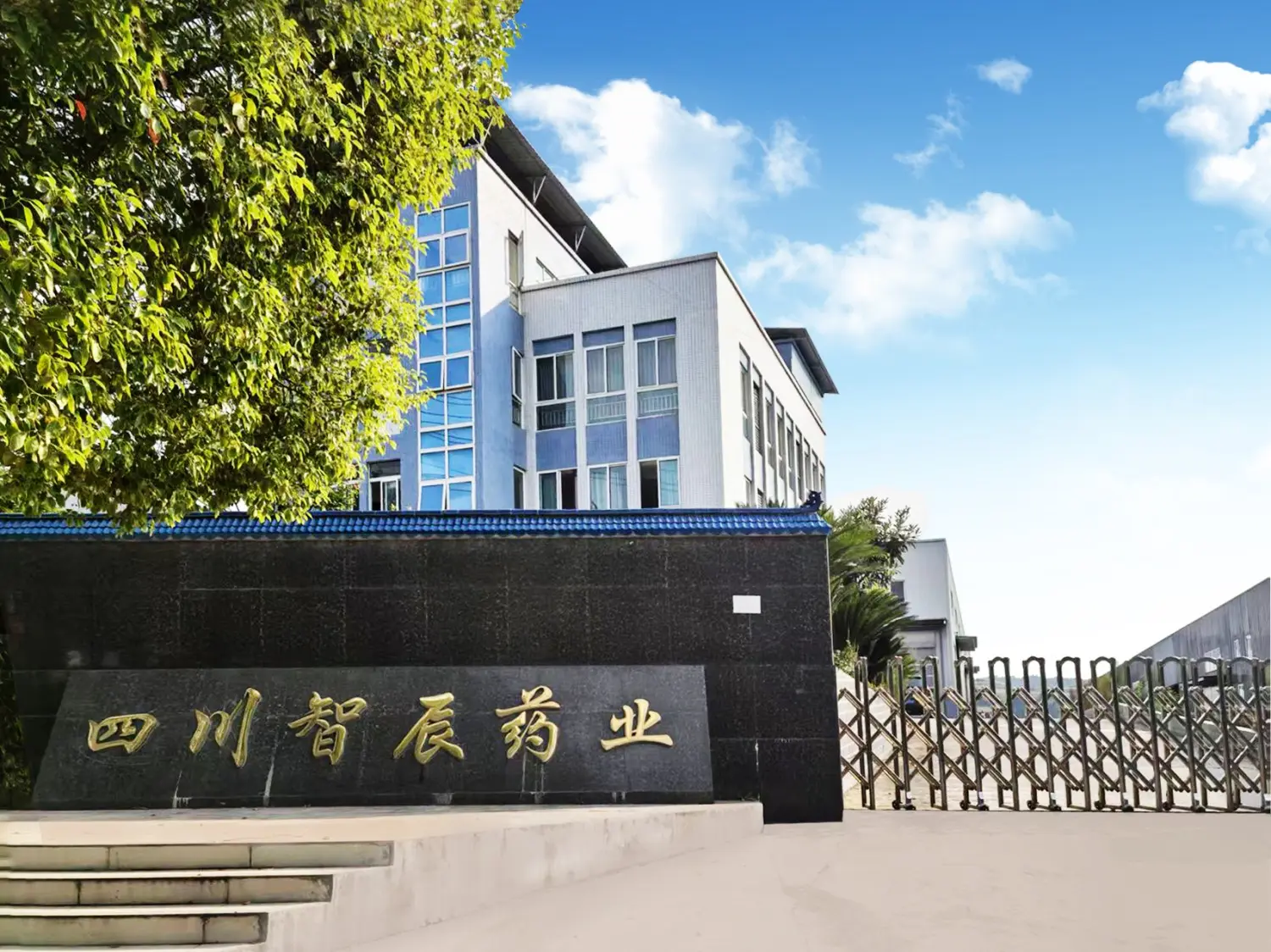
Established in 2012, Chengdu Chenlv Herb Co., Ltd. (Chenlv Herb) operates as a high-tech pioneer specializing in the R&D, manufacturing, and global distribution of premium botanical extracts and natural pharmaceutical APIs. With a state-of-the-art facility spanning 9,514㎡, we focus on delivering raw materials with elevated purity and bioactivity to the pharmaceutical, clinical diagnostic, and nutraceutical industries worldwide.
The worldwide demand for jaundice check products and hepatobiliary active pharmaceutical ingredients is undergoing structural growth. Driven by the expansion of newborn screening mandates across developing markets, alongside rising diagnostic requirements for metabolic dysfunction-associated steatohepatitis (MASH) in Western economies, diagnostic test developers and API purifiers face stringent performance expectations.
Commercial laboratories require uninterrupted access to raw diagnostic reagents and standards. Synthetic bile acids like Sodium Dehydrocholate serve as reference substrates for enzymatic reactions measuring serum bile acids (SBA). High-quality supply lines from integrated producers ensure that diagnostic assay manufacturers can keep production batches consistent, mitigating the risk of false positives or negatives in neonatal hyperbilirubinemia screening.
The roadmap for clinical jaundice checks points toward rapid, non-invasive point-of-care testing (POCT) and microfluidic-based blood assays. Future diagnostic devices are transitioning from laboratory-bound spectrophotometry toward digital multi-analyte biochips. In this context, bile acid standards serve as reference targets for biosensor arrays capable of detecting micro-concentrations of bile acids directly from capillary blood.
The global pharmaceutical supply chain requires exceptional stability, raw material traceability, and pricing transparency. As a leading manufacturer based in Chengdu, China, Chenlv Herb leverages the rich botanical resources of the Qinling-Bashan mountains and the Sichuan basin, securing a localized, sustainable supply of raw botanicals. This vertical integration—from cultivation tracking to GMP-certified extraction—insulates our international partners from supply disruptions.
Our manufacturing facility leverages advanced extraction methods, including super-critical fluid extraction (SFE) and automated column chromatography. By reducing processing times and energy consumption, these technologies allow us to supply high-purity compounds like Apigenin and Palmatine at competitive price points. In addition, our robust logictics framework guarantees temperature-controlled delivery of delicate raw materials, maintaining their biochemical activity from our factory to clinical lab destinations worldwide.
How our bio-active compounds and diagnostic standards power diverse global sectors.
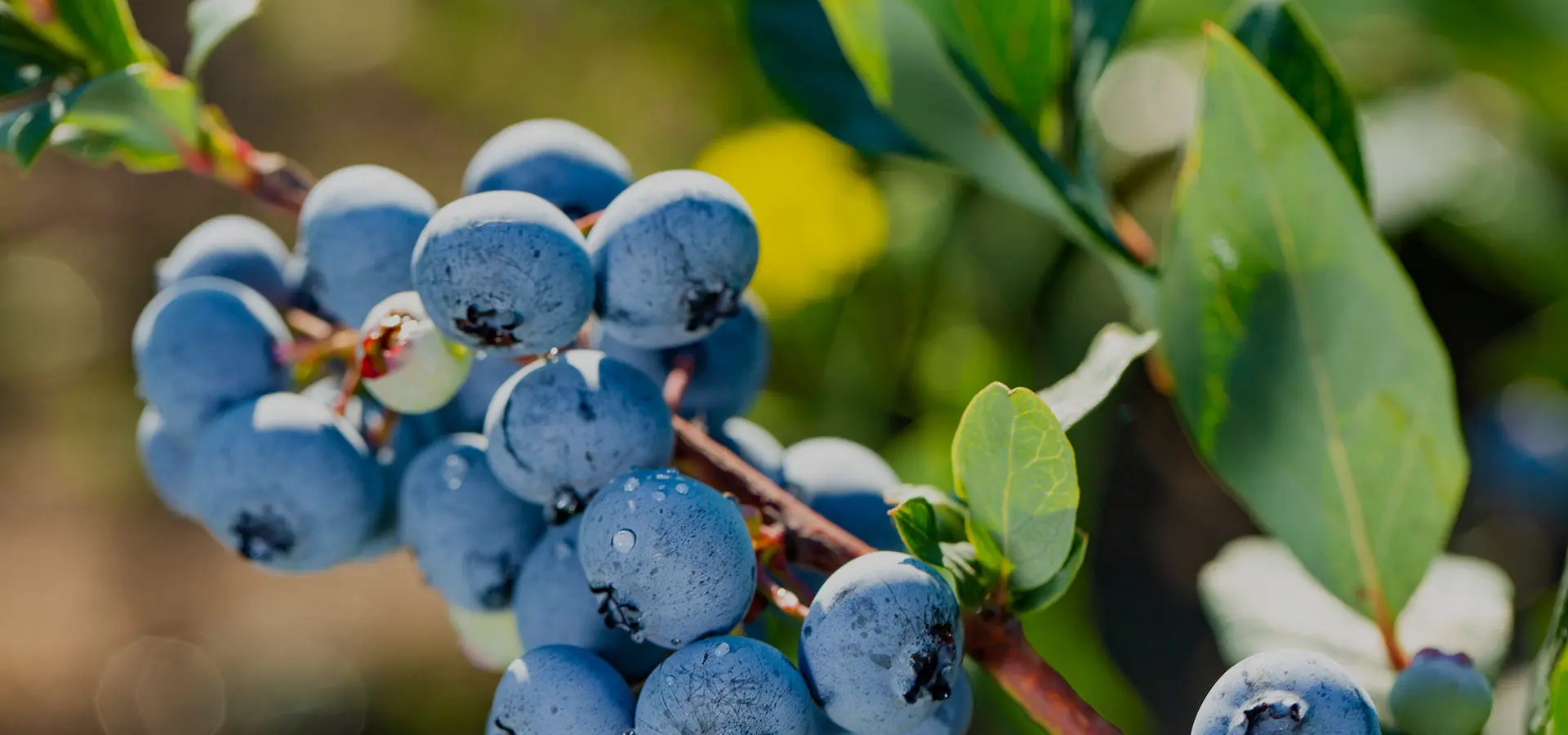
Driven by the concept of "homology of medicine and food" and modern health needs, plant extracts have gradually become the core raw materials for the development of health care products due to their natural, green and safe characteristics.
READ MORE →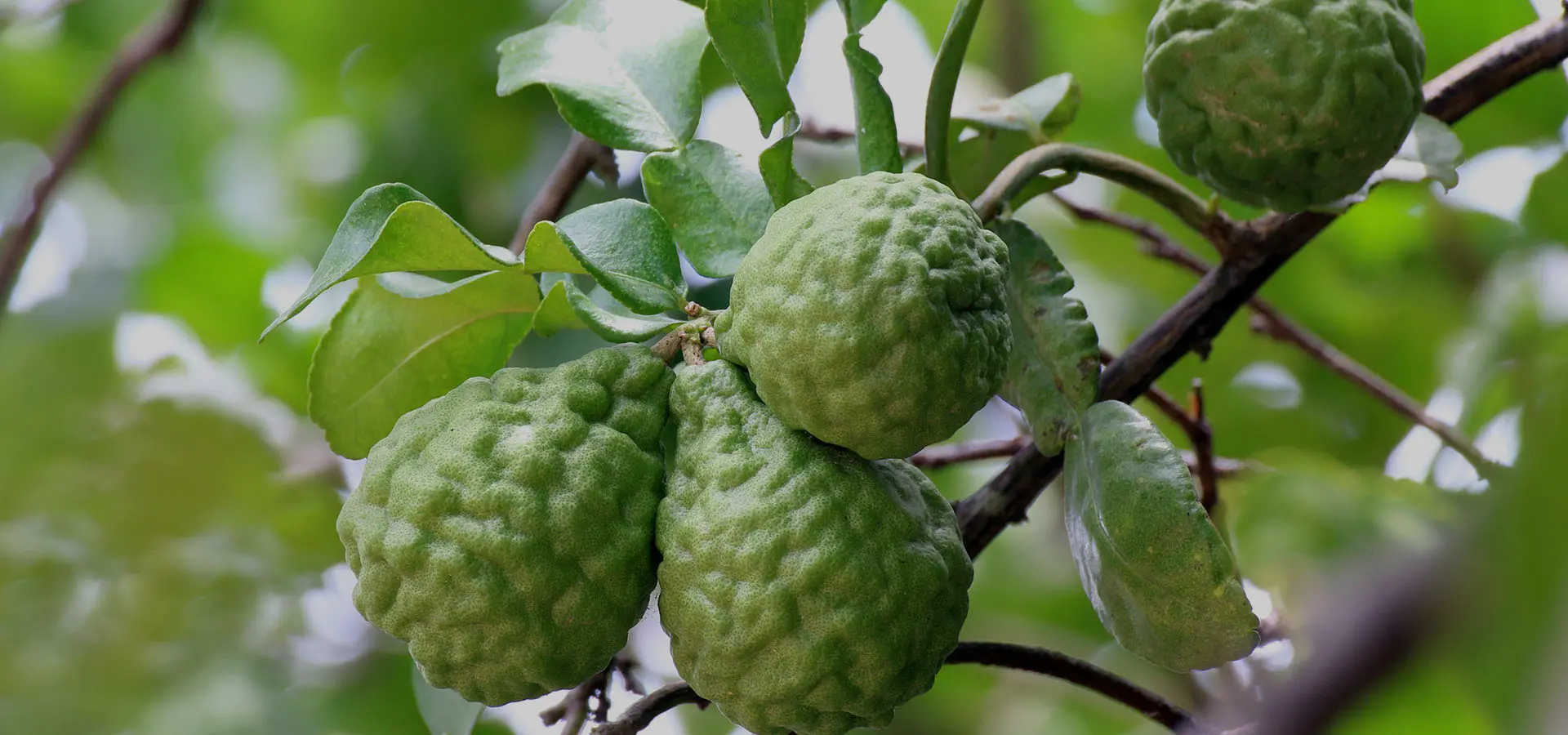
From herbal formulas recorded in ancient books to modern innovative drugs, plant extracts occupy the prominent position in the pharmaceutical industry due to their natural active ingredients and unique pharmacological effects.
READ MORE →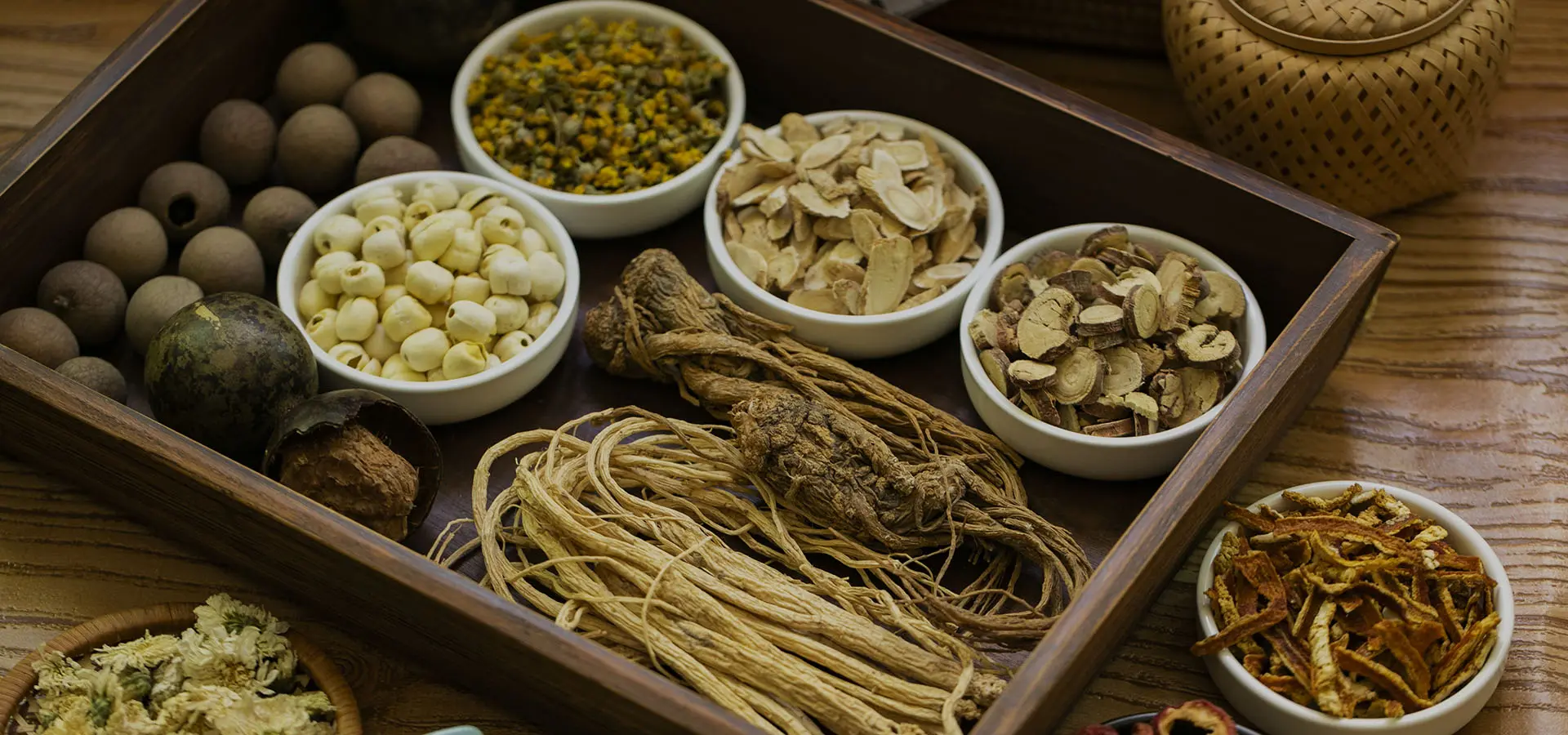
With consumers' pursuit of natural, safe, and sustainable skincare concepts, plant extracts have become a new favorite in the cosmetics industry due to their mildness, versatility, and biocompatibility, bringing new solutions for skin care.
READ MORE →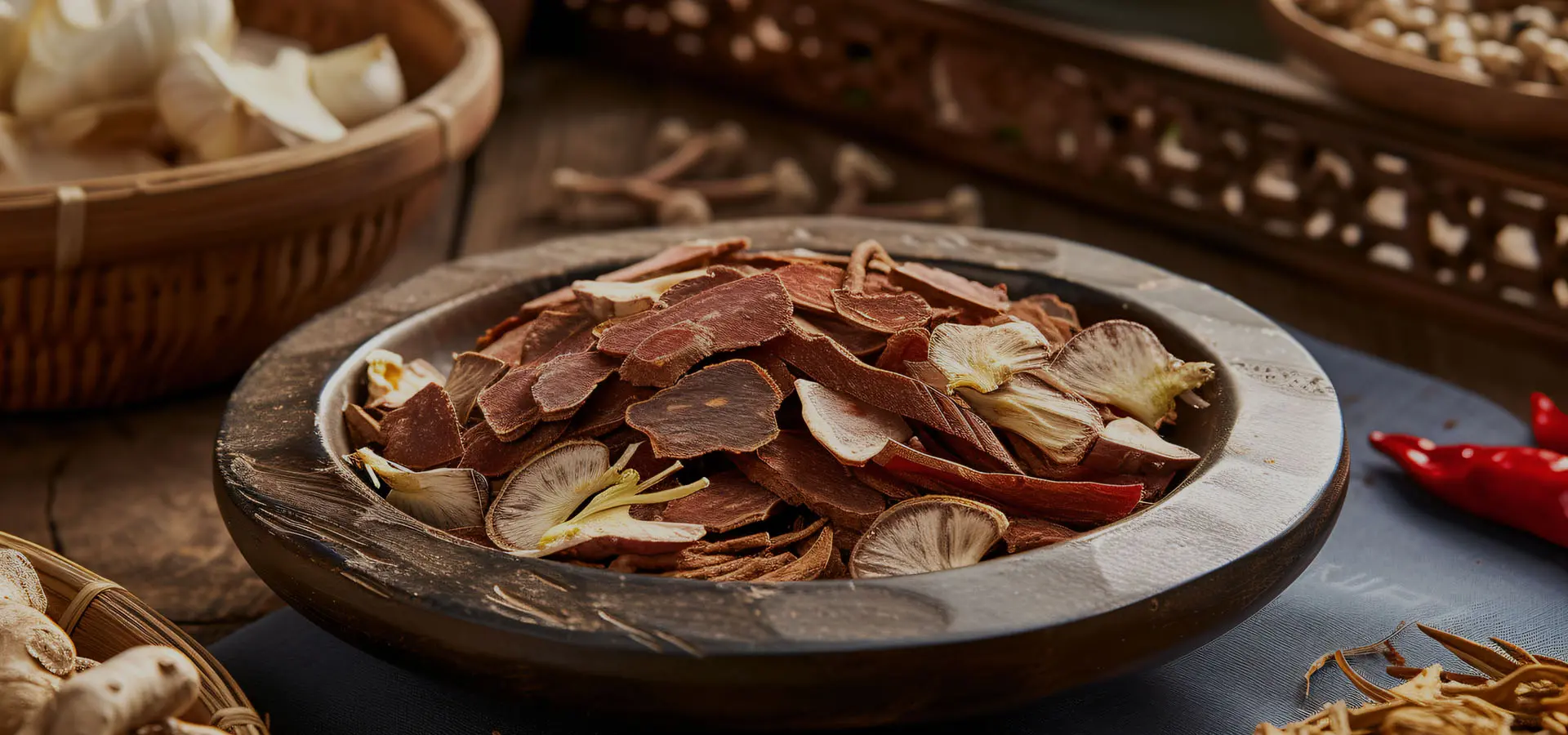
Plant extracts have shown great potential in improving animal health, enhancing production performance and optimizing culture benefits, and are gradually becoming a research hotspot and new favorite in the field of animal nutrition.
READ MORE →From initial design to final diagnostic validation, we support your production objectives.
We work directly with your research or buying teams to isolate the exact chemical parameters and purity levels required.
We provide comprehensive, itemized pricing structures matching your specified volume and testing criteria.
Execution of formal agreements covering quality parameters, lead times, regulatory documentation, and IP protection.
Initial laboratory extraction or standard preparation, generating samples for diagnostic validation.
Following sample verification, production transitions to our GMP-certified facility for bulk processing.
Rigorous analytical testing (HPLC, GC, MS) is performed to issue an authoritative Certificate of Analysis (COA).
Shipments are dispatched with full customs clearance support, secure packaging, and temperature logging if needed.
Engineered performance across our production lines, raw materials, and global distribution channels.
Our dedicated R&D team continuously refines active ingredient extraction protocols to optimize purity, stability, and chemical yield.
Eco-friendly packaging and optimized process engineering reduce carbon footprints while lowering overall unit costs.
We partner with local agricultural cooperatives to practice ethical wildcrafting and sustainable herb cultivation.
Our global support network provides comprehensive answers and technical assistance within 24 hours.
Every product batch is supported by exhaustive in-house analytics, confirming minimal impurity thresholds.
Decades of collective experience navigating international phytotherapeutic and diagnostic standards.
In the biomedical diagnostic sector, navigating regulatory variations across global regions is essential. For jaundice checks, neonatal diagnostic assays, and raw therapeutic agents, compliance with localized drug master files (DMF) and CE certification frameworks is mandatory. In the European Union, the transition to the In Vitro Diagnostic Regulation (IVDR) has introduced strict quality metrics for raw chemical suppliers, particularly those providing calibration compounds like Chenodeoxycholic Acid.
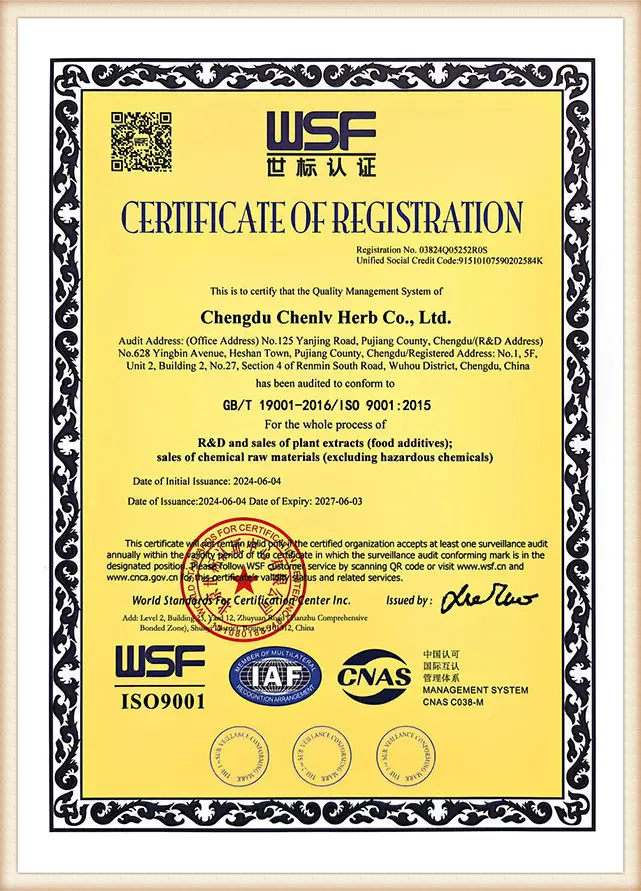
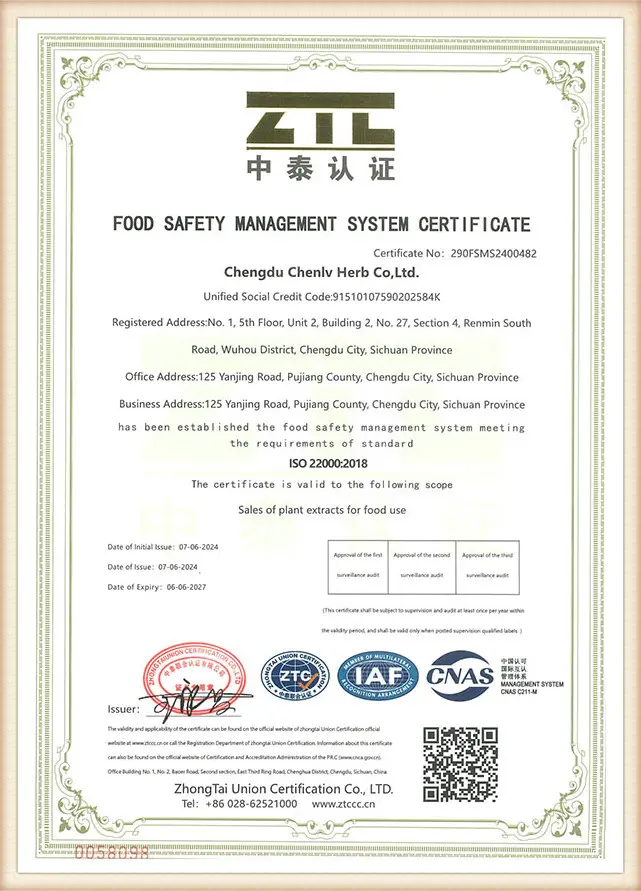
Chenlv Herb systematically documents every manufacturing step to ensure smooth regulatory compliance for our partners. We supply full testing documentation, including HPLC profiles, stability data, and contamination analyses, ensuring compatibility with US FDA and European CE audits. This thorough documentation minimizes validation times, allowing new diagnostic platforms to reach the market efficiently.
Expert answers regarding chemistry, certifications, supply chain details, and product applications.
Bile acid standards like Chenodeoxycholic Acid (CDCA) and Taurochenodeoxycholic Acid are used to calibrate spectrophotometric and chromatographic assays. They serve as reference points for measuring serum bile acid profiles in newborns, helping clinical labs differentiate between physiological neonatal jaundice and pathological biliary atresia.
Our state-of-the-art laboratory employs High-Performance Liquid Chromatography (HPLC) coupled with Mass Spectrometry (MS) and Gas Chromatography (GC) to verify chemical structures and validate purity. We guarantee that critical standards, such as Apigenin and Berberine Hydrochloride, systematically meet or exceed reference specifications.
We provide a comprehensive documentation package with every shipment, including detailed Certificates of Analysis (COA), safety data sheets (MSDS), allergen statements, and BSE/TSE-free declarations. This data supports our partners during FDA, CE, and national health authority registration procedures.
Yes. Through our ODM manufacturing services, we can customize the particle size distribution, moisture profile, and packing configurations of Sodium Dehydrocholate and other chemical compounds to align with your final formulation requirements.
Chenlv Herb operates a rigorous raw material tracking system. Every batch of botanical extracts, from Dandelion to Ginkgo Biloba, can be traced back to its specific agricultural origin, harvest window, and testing log, ensuring absolute transparency.
Standard inventory items typically ship within 3 to 5 business days. Custom syntheses or large-scale contract orders are scheduled based on manufacturing capacity, with typical lead times ranging between 3 and 6 weeks.
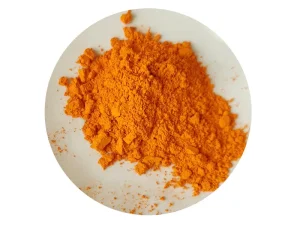
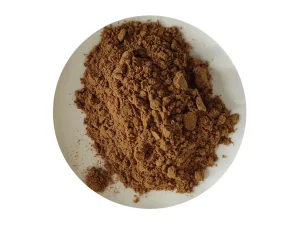
Premium plant extracts supporting biological research, nutritional science, and pharmaceutical development.
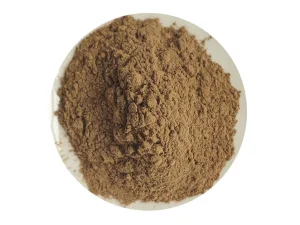
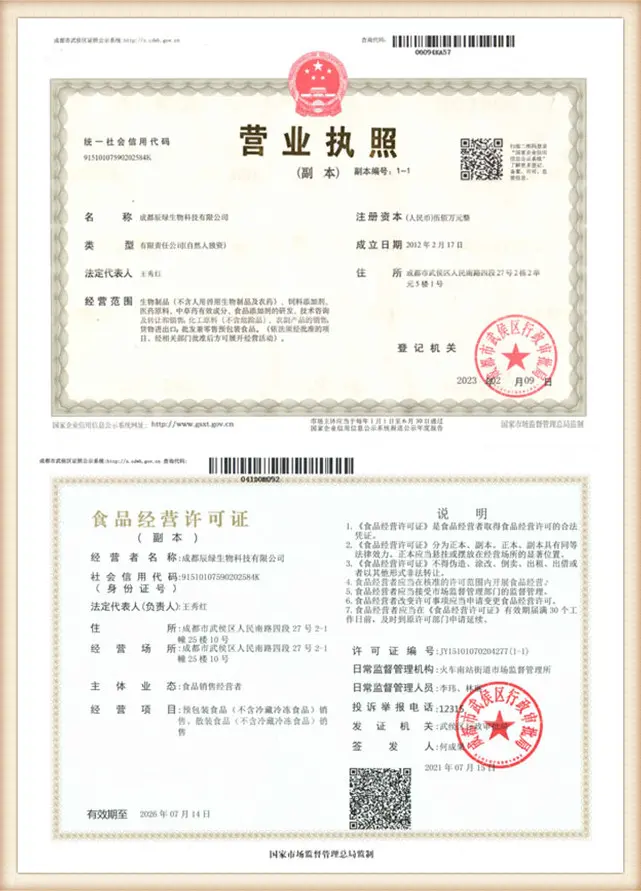
Our facility operations and products comply with strict international regulatory standards.
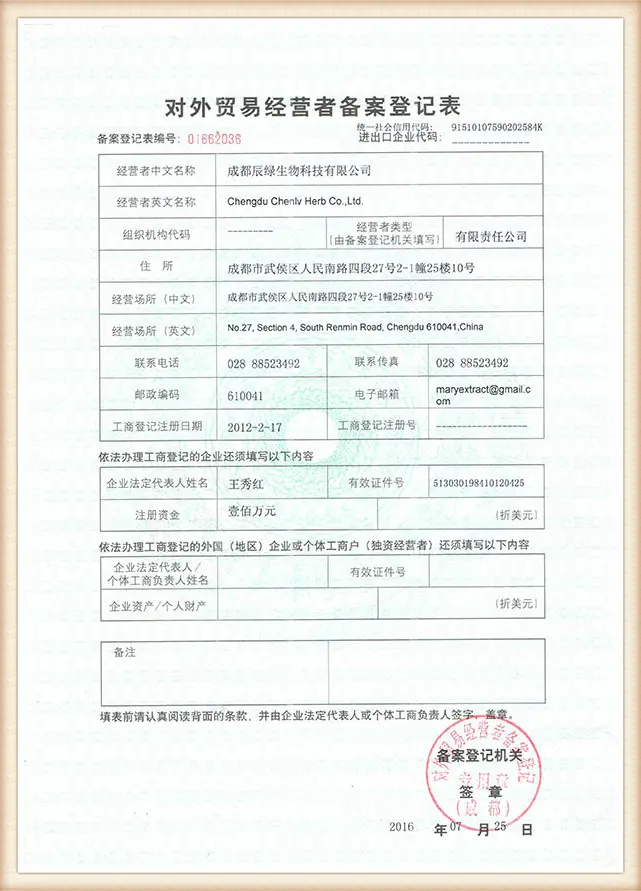
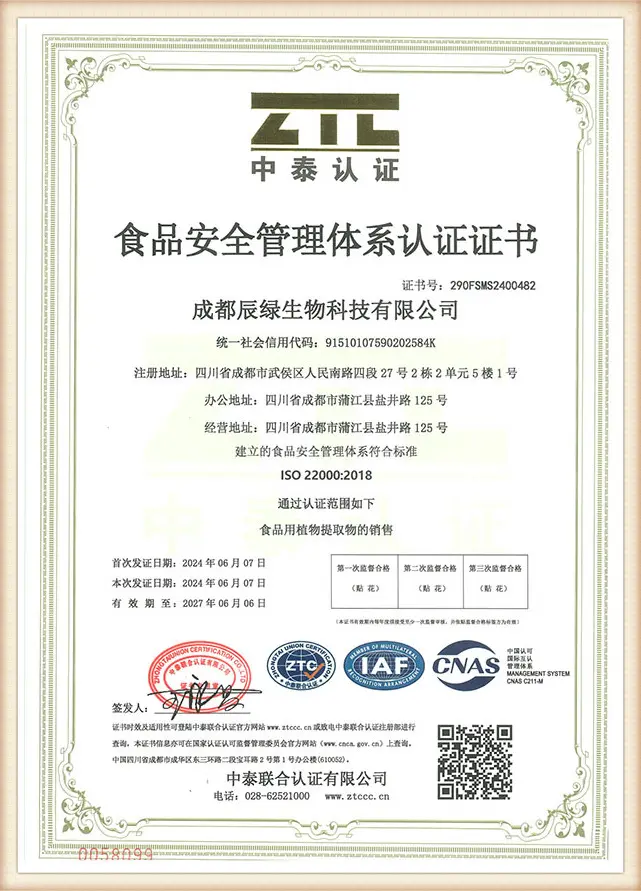
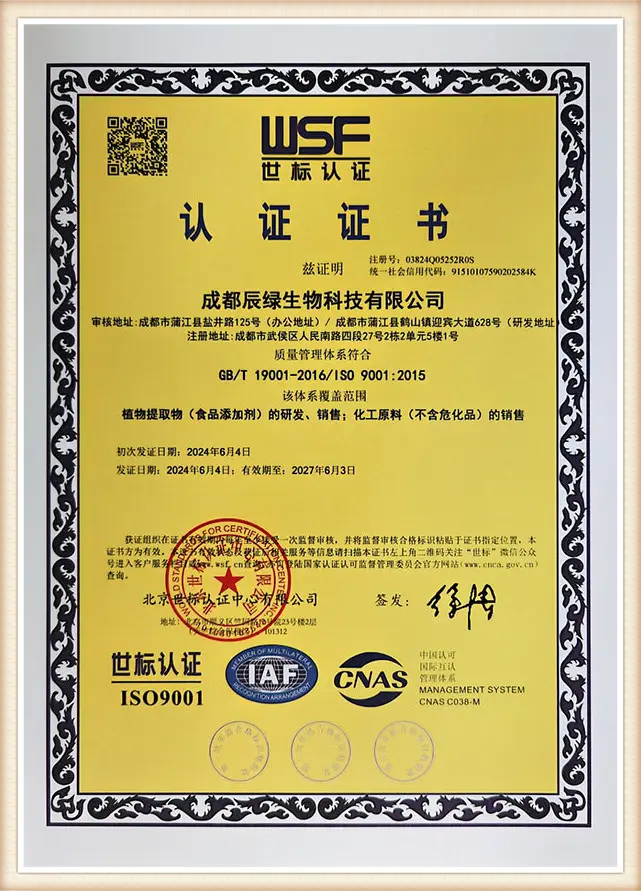
Stay informed about global market dynamics, plant extraction trends, and regulatory updates.
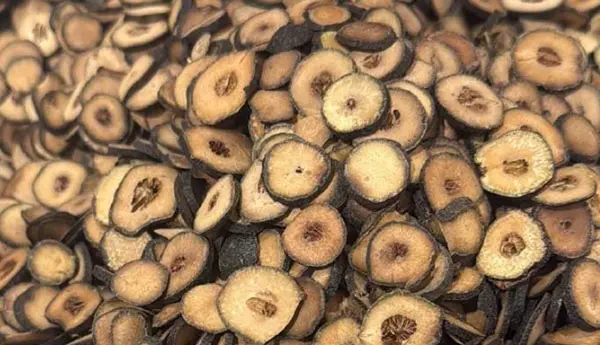
Recent supply fluctuations in Citrus aurantium raw materials across China are shaping international buyer strategies. Discover the primary factors driving these cost adjustments and the projected market outlook for finished extracts.
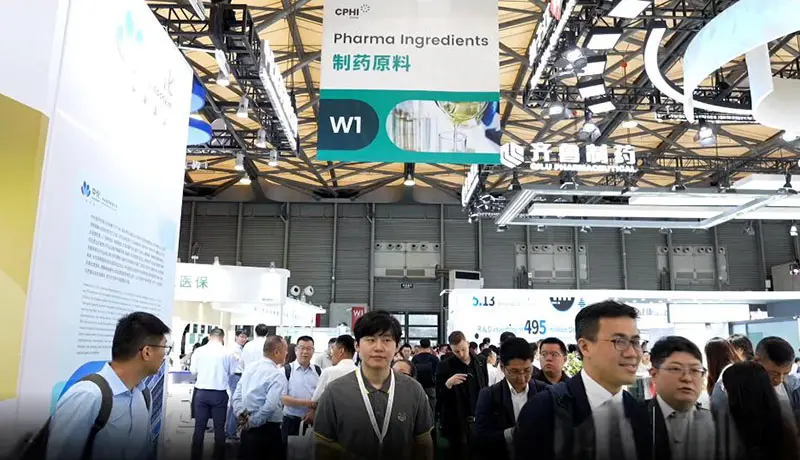
As a leading exhibition highlighting China's pharmaceutical evolution on the international stage, CPHI China 2025 connects global buyers with next-generation botanical APIs. Visit us to explore our latest high-purity extraction advances.
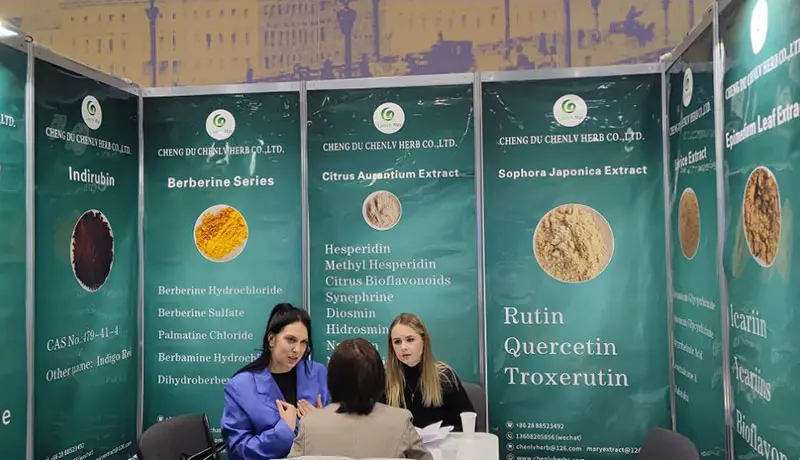
Join us at the China Import and Export Fair Exhibition Hall in Guangzhou to explore collaborative opportunities. We will be presenting our updated product catalog, featuring standardized bile acids and customized botanical extract lines.
For inquiries regarding our biological standards, pricing, or customized manufacturing services, connect with our team. We guarantee detailed answers within 24 hours.
Contact Our Experts Chenlv Herb