Explore our certified pharmaceutical, nutraceutical, and high-purity botanical raw materials engineered for target bioavailability and stability.
Analysing market capitalization, consumer intent pivots, and the shift from culinary root spices to high-assay standardized active molecules.
Turmeric, traditionally termed Haldi within the Indian subcontinent (derived from the botanical source Curcuma longa), is undergoing a monumental market evolution. No longer viewed simply as an agricultural commodity or dye, global business-to-business (B2B) trade is heavily prioritizing standardized Curcuminoids (comprising Curcumin, Demethoxycurcumin, and Bisdemethoxycurcumin). Strategic buying mandates from Europe, North America, and the Asia-Pacific region are abandoning raw turmeric powders in favor of standardized extracts containing 95% total curcuminoids via High-Performance Liquid Chromatography (HPLC) assays.
This technological pivot is driven by the global focus on preventive health and clinical trials supporting the efficacy of curcuminoids in mitigating chronic inflammatory pathways, boosting cellular resilience, and serving as natural food preservatives. Raw Turmeric Haldi contains only about 2% to 5% curcumin by dry weight. For industrial pharmaceutical manufacturers and functional food formulation specialists, buying raw root material is economically unfeasible. By sourcing highly concentrated 95% standardized extracts, buyers secure consistent dosage stability, reduce transportation and warehouse footprints by over 90%, and streamline end-product standardization.
Global demand for high-quality turmeric extract is projected to exceed USD 1.8 Billion by 2028, with a Compound Annual Growth Rate (CAGR) of 8.9%. Standardized turmeric extract is integrated across four main industries: pharmaceutical APIs, sports nutrition formulations, animal feed, and natural cosmeceuticals. However, navigating the supply market demands deep insight into price drivers, raw agricultural output limits, and regional geopolitical risk factors.
The pricing of Turmeric Haldi extracts is tightly bound to seasonal crop yields in major cultivation hubs, heavy-metal profiles dictated by soil health, and solvent purification costs. Procuring teams must balance cheap localized quotes with rigorous E-E-A-T (Expertise, Authoritativeness, Trustworthiness) verification standards. Low-quality extracts often use carcinogenic organic solvents like ethylene dichloride or contain trace lead residues, leading to regulatory rejections at western borders. Consequently, establishing relationships with audited partners that offer detailed certificates of analysis (COA) is critical to maintaining clean-label supply pipelines.
Pioneering analytical methodologies, bioavailability enhancements, and advanced green extraction techniques.
Traditional solvent-based extraction systems using ethanol, acetone, or hexane are being replaced by Supercritical Fluid Extraction (SFE) using carbon dioxide. By operating CO2 above its critical temperature (31.1°C) and pressure (73.9 bar), the gas assumes liquid-like density properties. This allows selective extraction of lipophilic components (curcuminoids and essential volatile oils) without thermal degradation or toxic chemical residues, ensuring ultra-pure outputs.
The core clinical limitation of standard curcumin is poor systemic absorption, rapid metabolism, and prompt excretion. Innovations such as liposomal encapsulation, self-microemulsifying drug delivery systems (SMEDDS), and co-formulation with black pepper extracts (piperine) increase absorption rates. Modern B2B buyers now seek customized physical properties, like micro-milled and water-dispersible curcumin powders, to support diverse liquid formulas.
High-Performance Liquid Chromatography (HPLC) remains the gold standard for verifying the molecular ratio of curcuminoids. Grade-A suppliers must provide chromatograms proving the presence of Curcumin (~75-80%), Demethoxycurcumin (~15-20%), and Bisdemethoxycurcumin (~2-5%). This precise molecular profile acts as a fingerprint that exposes synthetic adulteration, guaranteeing clinical potency.
Helping procurement teams bypass supply chain vulnerabilities, adulteration risks, and regulatory barriers.
Given the premium pricing of high-purity natural Curcumin 95%, adulteration with cheap, petroleum-derived synthetic curcumin is a major risk. Traditional chemical assays struggle to distinguish natural curcumin from synthetic equivalents. To counter this, advanced procurement teams demand Radiocarbon C-14 Analysis. Natural plants assimilate atmospheric carbon dioxide, maintaining a specific C-14 isotope profile, whereas fossil fuel-derived synthetics contain zero C-14. Partnering with suppliers who regularly perform C-14 tests is essential to protect product authenticity and brand integrity.
Importing botanical extracts into stringent markets like the US and EU requires strict compliance with contaminant regulations. Issues like high heavy metal levels (Lead, Arsenic, Cadmium, Mercury) from soil pollution and pesticide residues can lead to costly border rejections. Standardized turmeric extracts must also adhere to strict solvent limit regulations, requiring residual solvent levels to remain well below 5000 ppm (per USP <467> and ICH guidelines). Reputable suppliers address these challenges using Inductively Coupled Plasma Mass Spectrometry (ICP-MS) and Gas Chromatography-Mass Spectrometry (GC-MS) for batch clearance.
How automation, IoT integration, and intelligent logistics minimize costs and prevent batch-to-batch variations.
By implementing Distributed Control Systems (DCS) and Programmable Logic Controllers (PLC), processing parameters like solvent flow rates, temperature profiles, and vacuum pressures are managed automatically. This removes human error and guarantees batch-to-batch consistency in active ingredient concentrations, particle size distributions, and solubility metrics.
From the sourcing of raw Turmeric Haldi rhizomes at contracted farms to the final sealed drums, every stage is logged in a secure, digital enterprise resource planning (ERP) system. Buyers can trace their specific batch back to its extraction run, raw material delivery, and drying cycle. This provides transparent chain-of-custody data for quality audits.
Factory 4.0 facilities utilize automated raw material sorting and optimized energy recovery loops. This significantly reduces manufacturing waste and utility consumption. Located close to deep-water ports and major rail hubs, these facilities ensure faster transit times, lower shipping costs, and a resilient B2B supply chain.
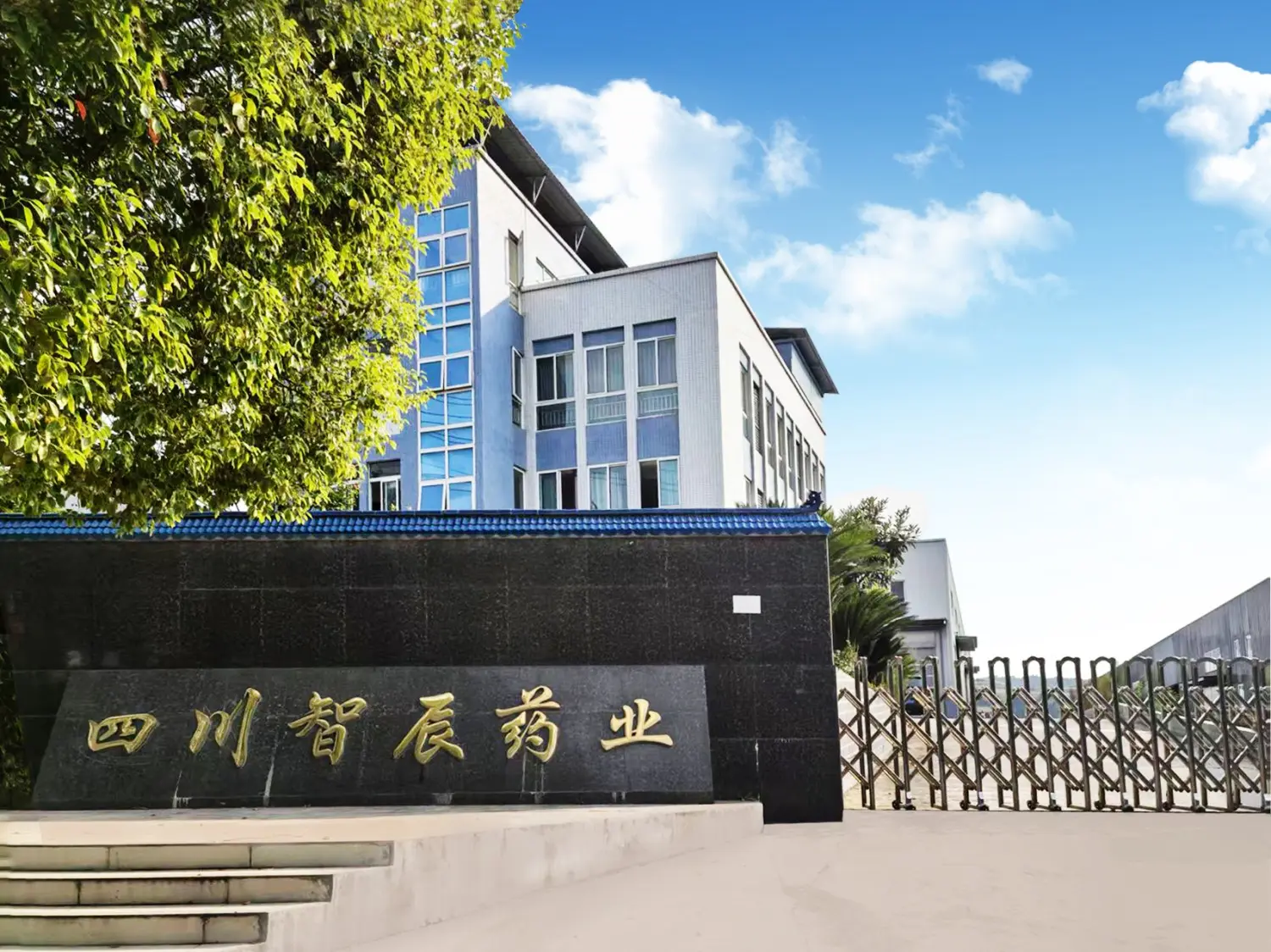
Established in 2012, Chengdu Chenlv Herb Co., Ltd. (Chenlv Herb) is a leading high-tech enterprise focused on the research, development, production, and sale of premium botanical extracts and natural pharmaceutical ingredients. Serving the global pharmaceutical, nutraceutical, cosmetics, and animal feed industries, Chenlv Herb is dedicated to delivering highly active, high-purity, and reliable natural raw materials.
Operating from a state-of-the-art 9,514 m² production facility, we maintain full quality control across our supply chain. Our operations are certified under strict international standards, including ISO9001, ISO22000, HALAL, KOSHER, and FDA registration. Our experienced R&D team ensures we stay ahead of industry demands, providing custom extraction solutions that consistently meet strict regulatory guidelines.
A structured 7-stage customization pipeline ensuring transparency, efficiency, and quality from query to delivery.
Collaborate with clients to define product specifications, purity levels, mesh sizes, and packaging details.
Provide transparent cost breakdowns, bulk FOB/CIF rates, and volume-based discounts.
Establish quality agreements, delivery schedules, and legal terms to protect buyer interests.
Develop pilot batches and provide samples for laboratory testing and regulatory compliance checks.
After sample approval, begin full-scale production in our ISO-certified facility.
Perform complete quality testing (heavy metals, active ingredients, purity, microbiology) and issue the Certificate of Analysis (COA).
Deliver the products securely, utilizing trackable logistics pathways for global shipping.
At Chenlv Herb, we deliver botanical extracts that align with global safety standards. Our production processes are designed to provide consistent reliability, purity, and traceabiltiy.
Our R&D team develops custom formulations to improve solubility, stability, and absorption rates.
Modern production lines and optimized supply chains ensure timely delivery and consistent product availability.
We prioritize ethical agricultural sourcing and eco-friendly manufacturing methods to support sustainable supply chains.
Each batch undergoes strict laboratory verification, including heavy metal, pesticide, and solvent testing.
How specialized plant extracts are formulated across the pharmaceuticals, health supplements, cosmetics, and animal nutrition sectors.
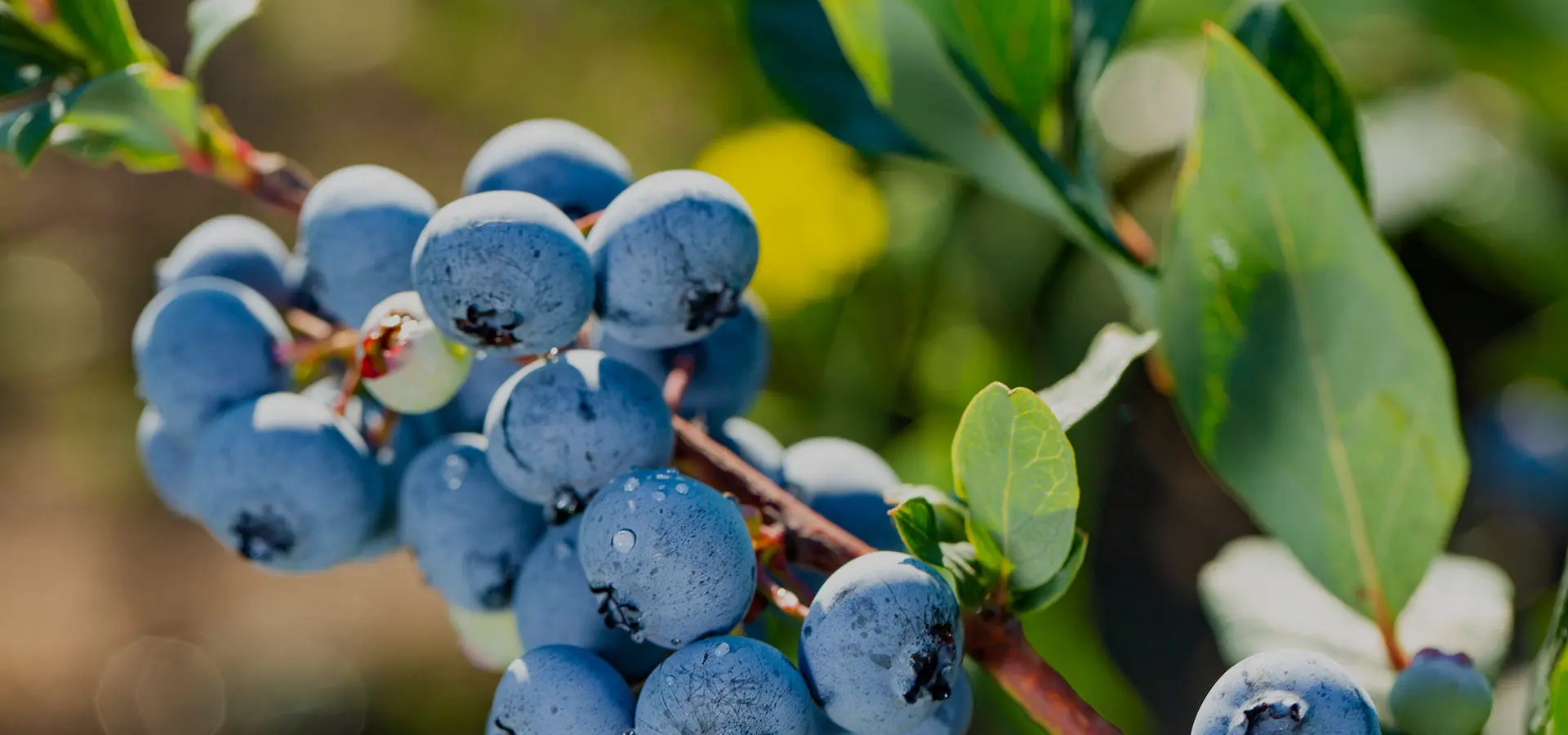
Driven by the concept of "homology of medicine and food" and modern wellness trends, plant extracts have become foundational ingredients in health supplements, offering natural, clean-label solutions that meet global consumer preferences.
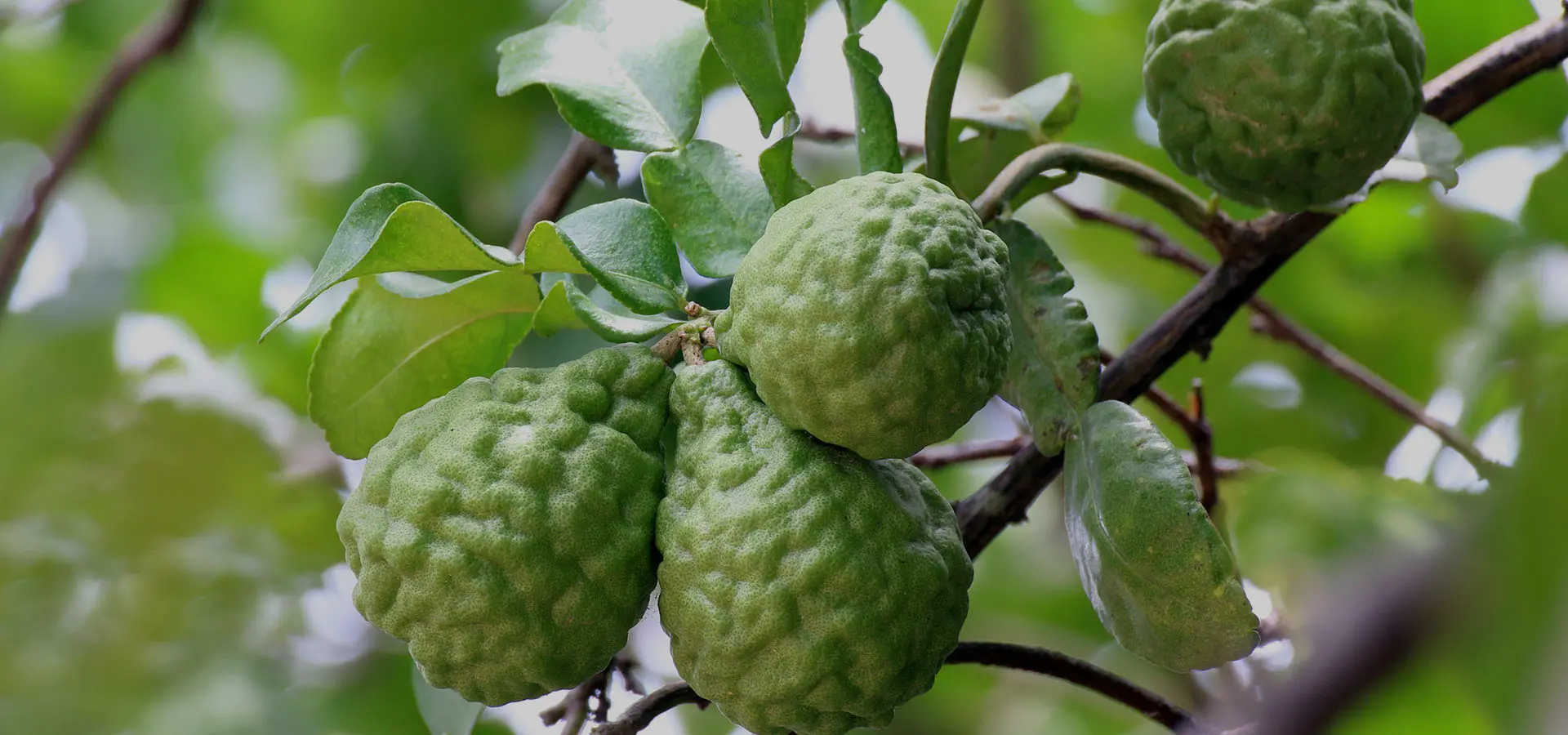
From traditional remedies to modern drug formulations, active botanical compounds serve as essential raw materials in the pharmaceutical industry due to their bioactivity and therapeutic properties.
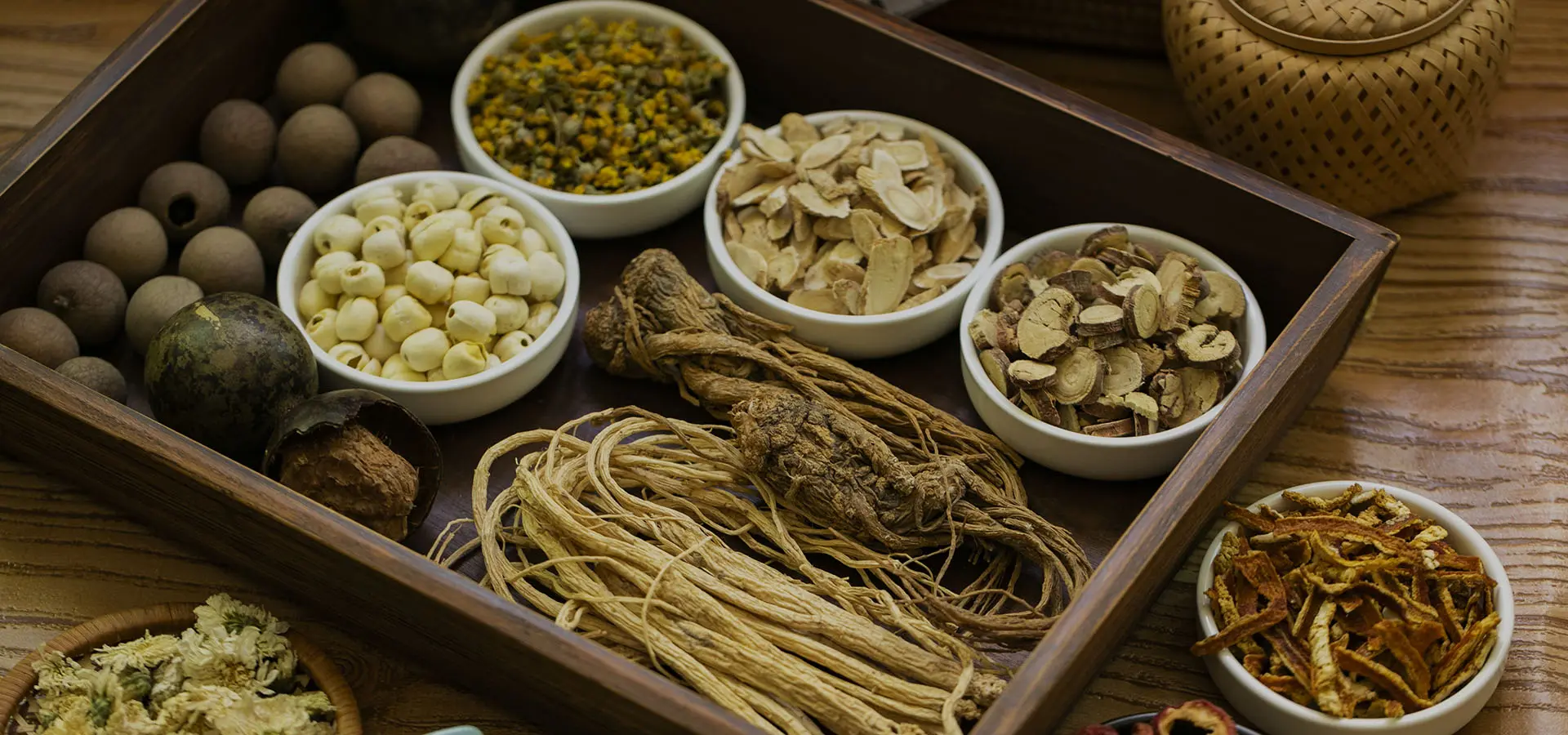
With growing demand for natural and sustainable skincare, botanical extracts are widely used in cosmetics for their soothing, antioxidant, and anti-aging properties, supporting gentle yet effective formulations.
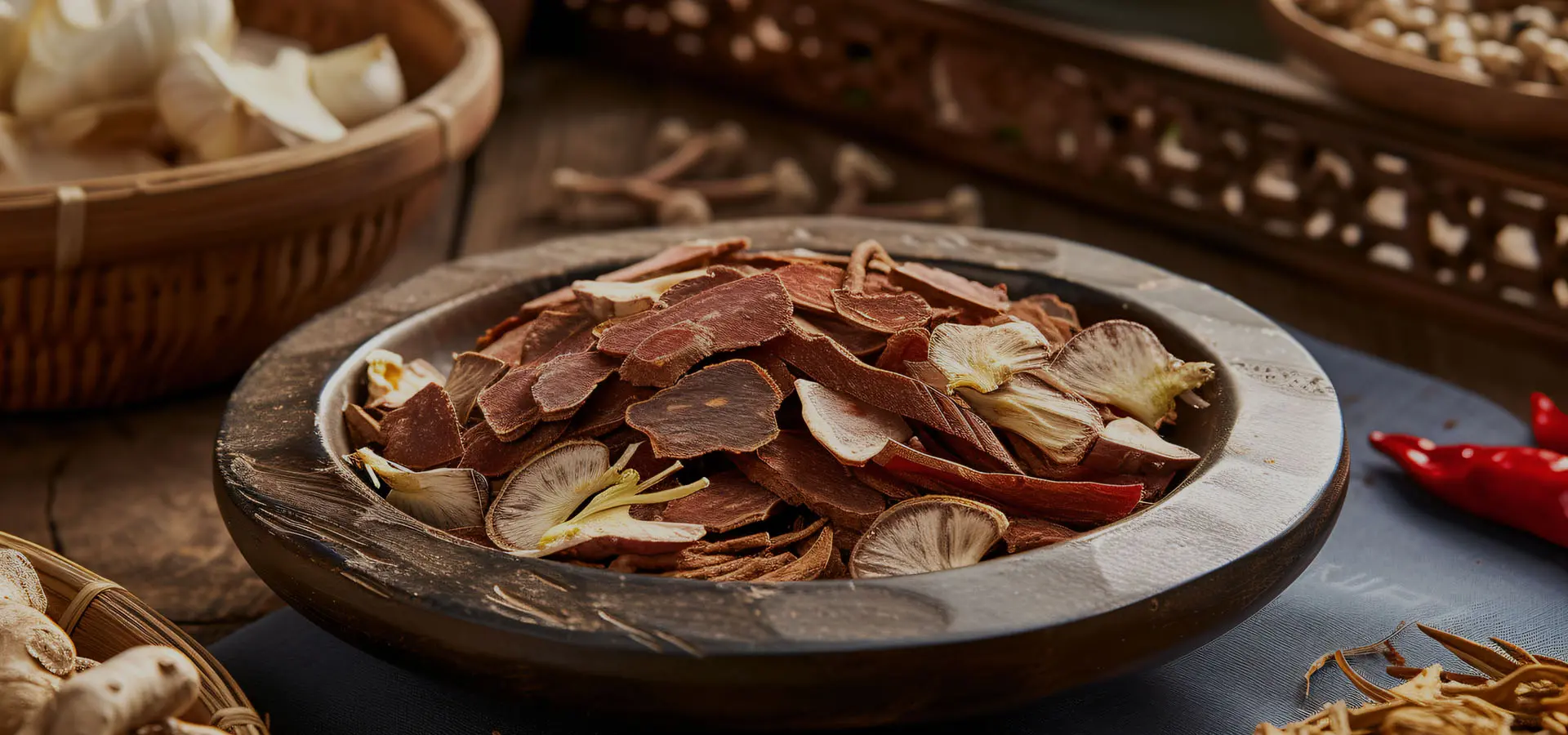
Plant extracts support animal health, performance, and feed efficiency. They serve as natural alternatives to traditional feed additives, meeting the evolving standards of sustainable farming and animal husbandry.
Addressing key technical, logistical, and compliance questions for global procurement teams.
We monitor the raw material input ratio and use calibrated High-Performance Liquid Chromatography (HPLC) to measure Curcumin, Demethoxycurcumin, and Bisdemethoxycurcumin levels. Every shipment is accompanied by a Certificate of Analysis (COA) detailing the assay results, and we routinely cross-validate samples with third-party testing laboratories.
We primarily use food-grade ethanol and water for our extraction processes. Our refining and purification cycles reduce residual solvents to well below the USP <467> limit of 5000 ppm, often achieving non-detectable levels. We do not use Class 1 solvents like ethylene dichloride or carbon tetrachloride.
We screen raw materials prior to processing and test final batches using Inductively Coupled Plasma Mass Spectrometry (ICP-MS) for heavy metals. Our specifications limit lead to < 3.0 ppm, arsenic to < 1.0 ppm, cadmium to < 1.0 ppm, and mercury to < 0.1 ppm. Pesticide residue analysis covers over 200 compounds using GC-MS/MS, meeting both FDA and EU regulations.
Yes, we provide customizable specifications through our 7-step process. We can adjust bulk density, tap density, particle size (ranging from 80 to 200 mesh), and develop water-dispersible formulations for functional beverage applications.
Our standard Minimum Order Quantity (MOQ) for bulk powder is 25 kg (one fiber drum). Lead times for standard specifications are 7 to 15 days, while customized formulations take 20 to 30 days depending on complexity. We support various shipping terms, including FOB, CIF, DDU, and air/sea freight options.
Yes, Chengdu Chenlv Herb's manufacturing facilities are certified kosher, halal, and registered with the FDA. We also follow strict HACCP and ISO22000 quality systems, providing complete compliance documentation to support regulatory approvals.
Choose Chenlv Herb for reliable quality and specialized botanical extracts tailored to your product needs.
 Chenlv Herb