 Chenlv Herb
Industrial Whitepaper: The Evolution of Quercetin & Rutin
Scientific perspectives, dynamic market growth metrics, and structural bio-synergistic profiles in advanced pharmacology.
1. Molecular Synergy and Bioactive Mechanics
Quercetin (pentahydroxyflavone), a highly active aglycone polyphenol, and its glycoside counterpart, Rutin (quercetin-3-O-rutinoside), represent one of the most clinically researched duos in the functional nutrition and bio-pharmaceutical sectors. While Quercetin serves as a potent senolytic agent capable of selectively clearing senescent cells and mitigating systemic inflammation, its poor water solubility has traditionally limited its physiological absorption. Rutin, which molecularly integrates a rutinose sugar chain to the quercetin backbone, acts as a natural delivery precursor.
When formulated together, these flavonoids demonstrate a distinct synergistic pharmacokinetic curve. Rutin undergoes microbial degradation in the lower intestinal tract to release Quercetin continuously, preventing immediate hepatic clearance. This dual-phase release dynamic sustains elevated plasma levels of active flavonoids. For global brands seeking to establish premium health solutions, configuring precise ODM ratios of Quercetin and Rutin is essential for maximizing cellular bioavailability and efficacy profiles.
2. Global Procurement Dynamics & Bioavailability Requirements
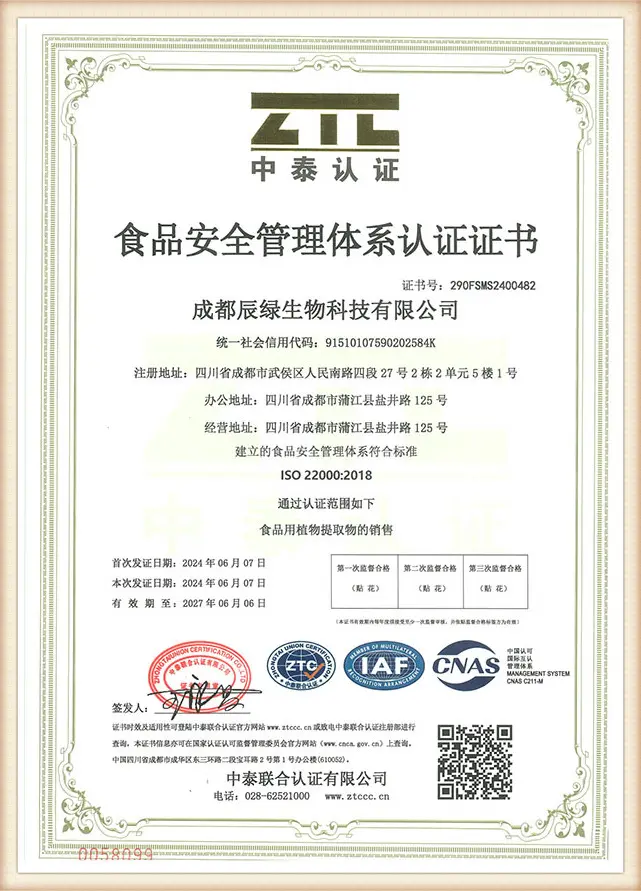
Procurement teams at enterprise-level dietary supplement, pharmaceutical, and nutraceutical companies face rigorous sourcing guidelines. Regulatory frameworks, such as the European Food Safety Authority (EFSA) parameters and the United States Food and Drug Administration (FDA) NDI (New Dietary Ingredient) requirements, necessitate strict adherence to purity, chemical profiling, and solvent residue thresholds.
Global B2B procurement is shifting from raw powder supplies to highly engineered botanical formulations. Manufacturers are now required to offer:
- Standardized high assays (typically HPLC > 95% or 98% Quercetin/Rutin purity).
- Verified heavy metal profiles below strict USP standards (Lead < 0.5 ppm, Arsenic < 1.5 ppm, Cadmium < 0.5 ppm, Mercury < 0.1 ppm).
- Low residual solvent certifications, prioritizing green extraction using water and ethanol rather than chlorinated solvents.
- Enhanced biological forms, including liposomal quercetin, phytosome dispersions, and micronized options to overcome solubility barriers.