Premium grade diagnostic controls, standard reference materials, and active botanical ingredients curated for biomedical applications.
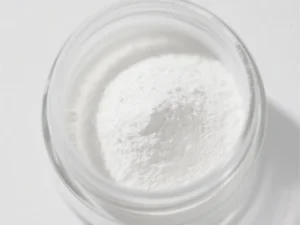
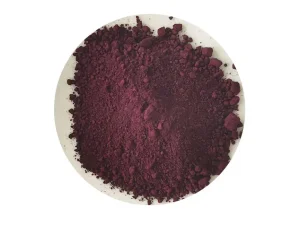
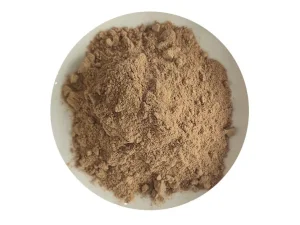
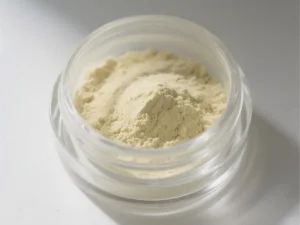
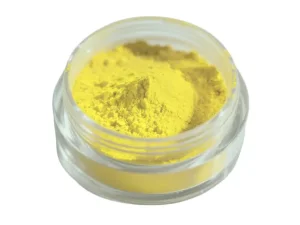
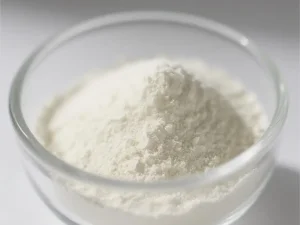
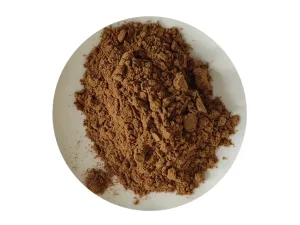
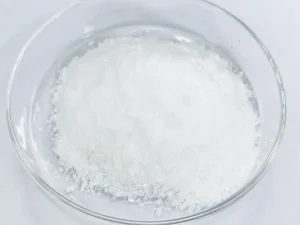
A comprehensive examination of physiological pathways, diagnostics standardization, and high-precision screening cards for infant cholestasis.
Bilirubin is a yellowish compound created during the normal breakdown of red blood cells (heme catabolism). Synthesized in the spleen and Kupffer cells of the liver, unconjugated bilirubin is converted into conjugated bilirubin by the enzyme glucuronosyltransferase, making it water-soluble. Excreted via the biliary tree into the duodenum, bacterial flora in the gut reduce it to urobilinogen, which is then oxidized into stercobilin—the pigment responsible for the characteristic brown color of healthy stool.
When neonatal hepatic excretion is impaired, or if structural blockages like Biliary Atresia (BA) exist, conjugated bilirubin cannot enter the intestinal tract. Consequently, feces exhibit a lack of pigment (appearing pale, clay-colored, or light yellow). Standardized screening relies on visual identification of these abnormal colors to avoid delayed surgical interventions like the Kasai procedure.
For pediatric institutions, diagnostic kits, and medical app developers, reproducing the accurate hues of neonatal stool (from abnormal pale-clay to normal golden-brown) is highly complex. Factors like ambient lighting (metamerism), printing ink chemistry, and surface coating reflection affect clinical evaluation.
Our production utilizes strict spectrophotometric instruments under D65 standard illuminants to achieve ΔE*ab < 1.0 color consistency. This ensures that neonatal nurses and parents scanning diagnostic cards or using digital image analysis applications get accurate, clinically validated matches, minimizing false negatives.
Uncovering the shift toward objective digital diagnostics, global regulatory demands, and supply chain standardization.
Mobile health software is revolutionizing infant health screening. Standard color charts (Bilirubin stool cards) now feature integrated physical calibration markers (gray cards or optical matrices). This allows smartphone cameras to dynamically adjust for warm or cool indoor light before calculating the color profile of the infant's stool, reducing human diagnostic error.
Public health departments globally are introducing mandatory stool card monitoring programs within the first 60 days post-birth. Healthcare systems require highly durable, non-toxic, medical-grade paper substrates that can withstand moisture and frequent sanitization in neonatal intensive care units (NICUs).
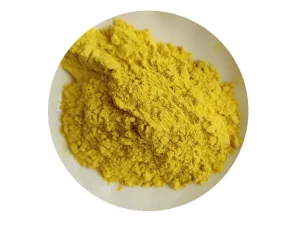
Beyond paper-based indicators, clinical labs demand liquid and semi-solid synthetic fecal controls containing standardized quantities of crystalline bilirubin. These controls calibrate laboratory stool analyzers, proving invaluable for validation tests across clinical trials and diagnostic research laboratories.
How we address global B2B procurement concerns, regulatory criteria, and supply chain continuity.
Printed charts suffer from pigment fading over time due to UV exposure. We integrate UV-blocking matte lamination layers that shield the underlying CMYK/Pantone pigments, maintaining spectrophotometric fidelity for up to 36 months under clinical lighting conditions. All colors are calibrated under ISO 13485 quality management systems.
Since these cards are handled by parents and placed near infants, all substrate elements—including the inks and protective coatings—are free from phthalates, lead, and volatile organic compounds (VOCs). They comply with RoHS and REACH standards for children's health items.
Our raw material pipeline, supported by our extraction factories, ensures steady access to pure standard indicators, high-purity chemical markers, and botanical extracts. We provide custom bulk packaging options, localized clinical labeling translation (multilingual support), and compliance documentation for customs clearance.
Chengdu Chenlv Herb Co., Ltd.
Chengdu ChenLv Herb Co.,Ltd. (referred to as "Chenlv Herb") was established in 2012 as a high-tech enterprise specializing in the R&D, production, and sales of botanical extracts and natural pharmaceutical ingredients. Committed to providing high-purity, highly active, and premium-quality natural raw materials, the company serves diverse industries, including pharmaceuticals, health supplements, food, and cosmetics.
Our deep knowledge of natural botanical extraction processes ensures that we remain at the forefront of providing chemical reference standards and auxiliary compounds used globally in clinical laboratory testing, health monitoring, and biomedical formulations.
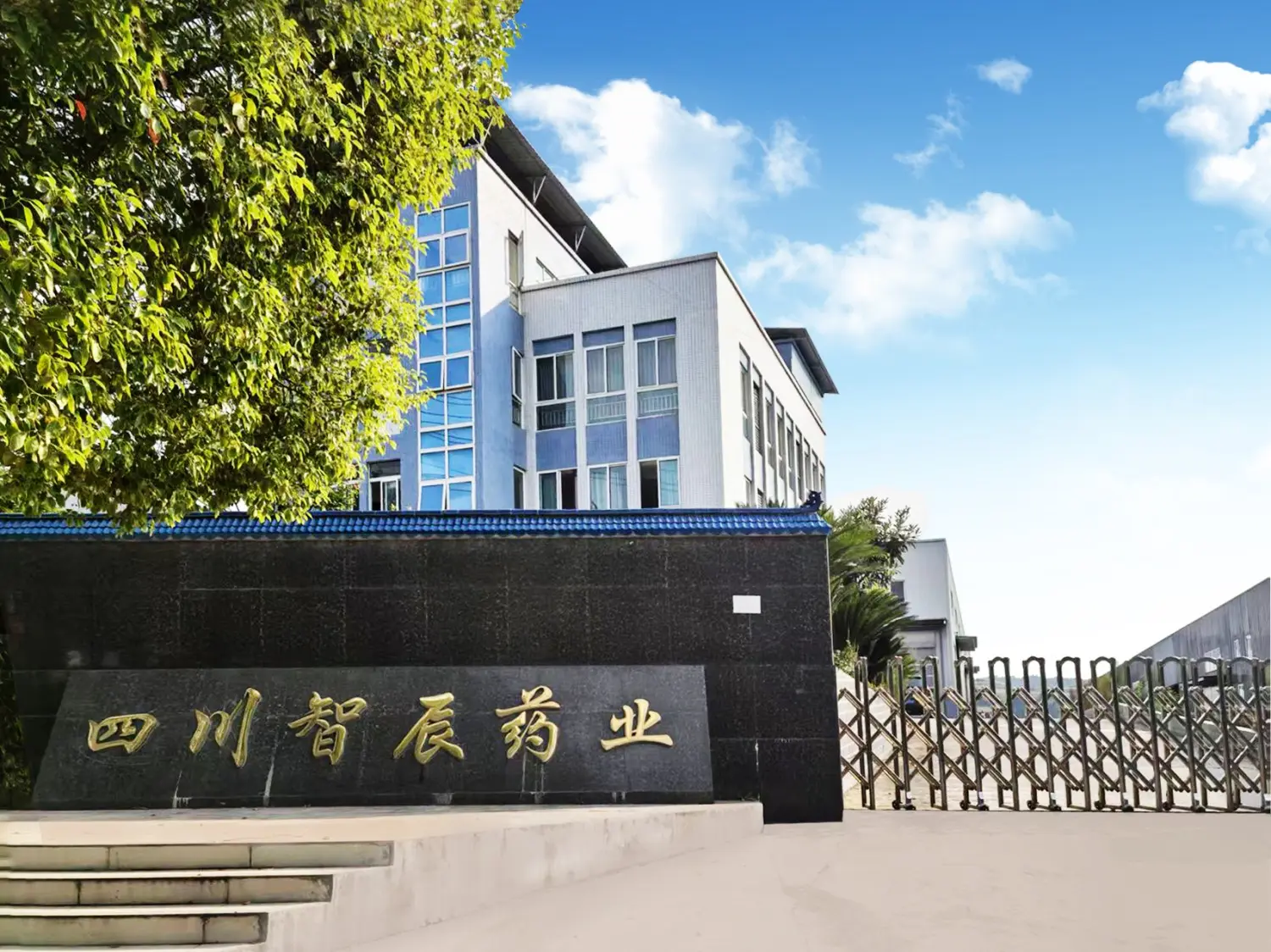
Our ingredients and tools serve as building blocks across high-standard sectors worldwide.
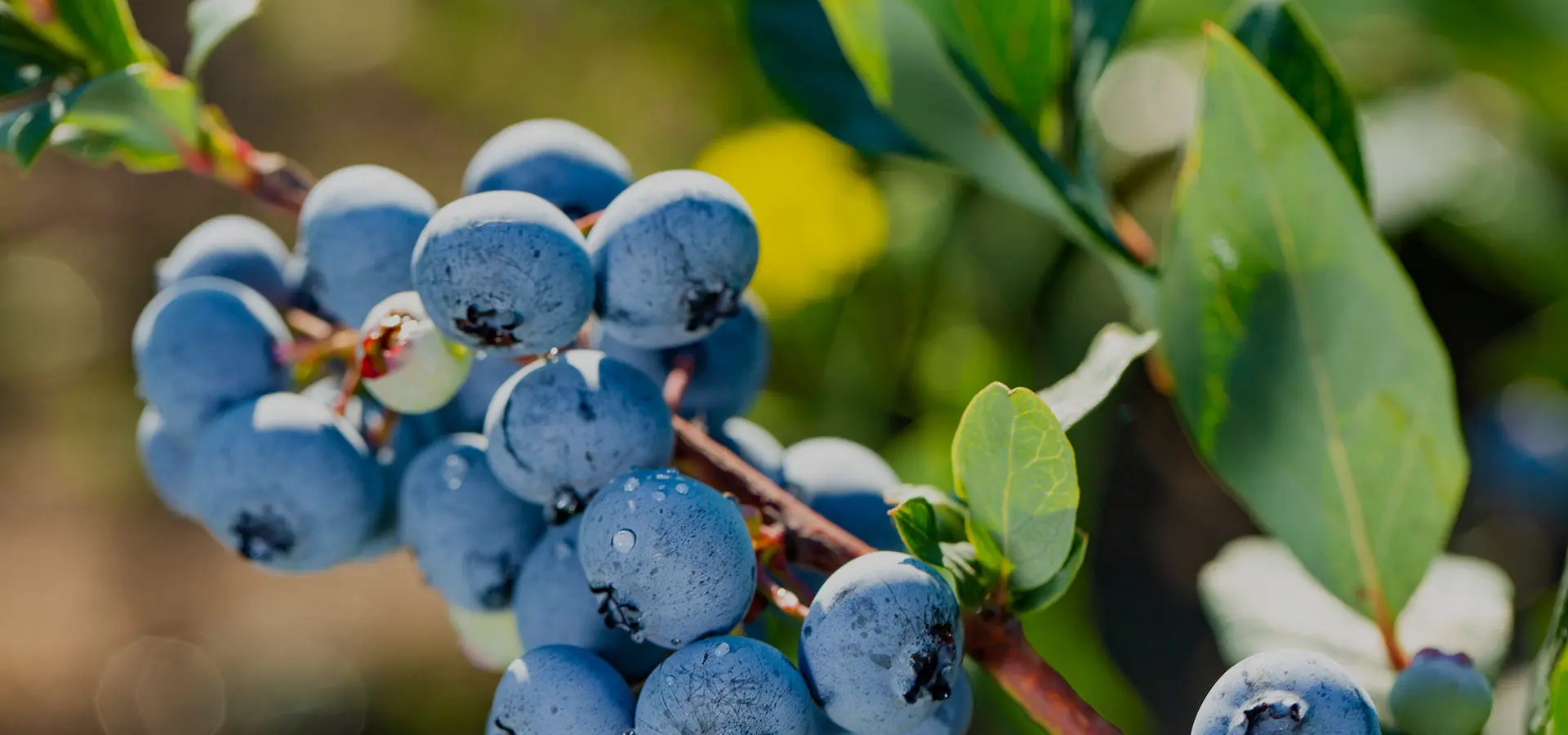
Driven by the concept of "homology of medicine and food" and modern health needs, plant extracts have gradually become the core raw materials for the development of health care products due to their natural, green and safe characteristics.
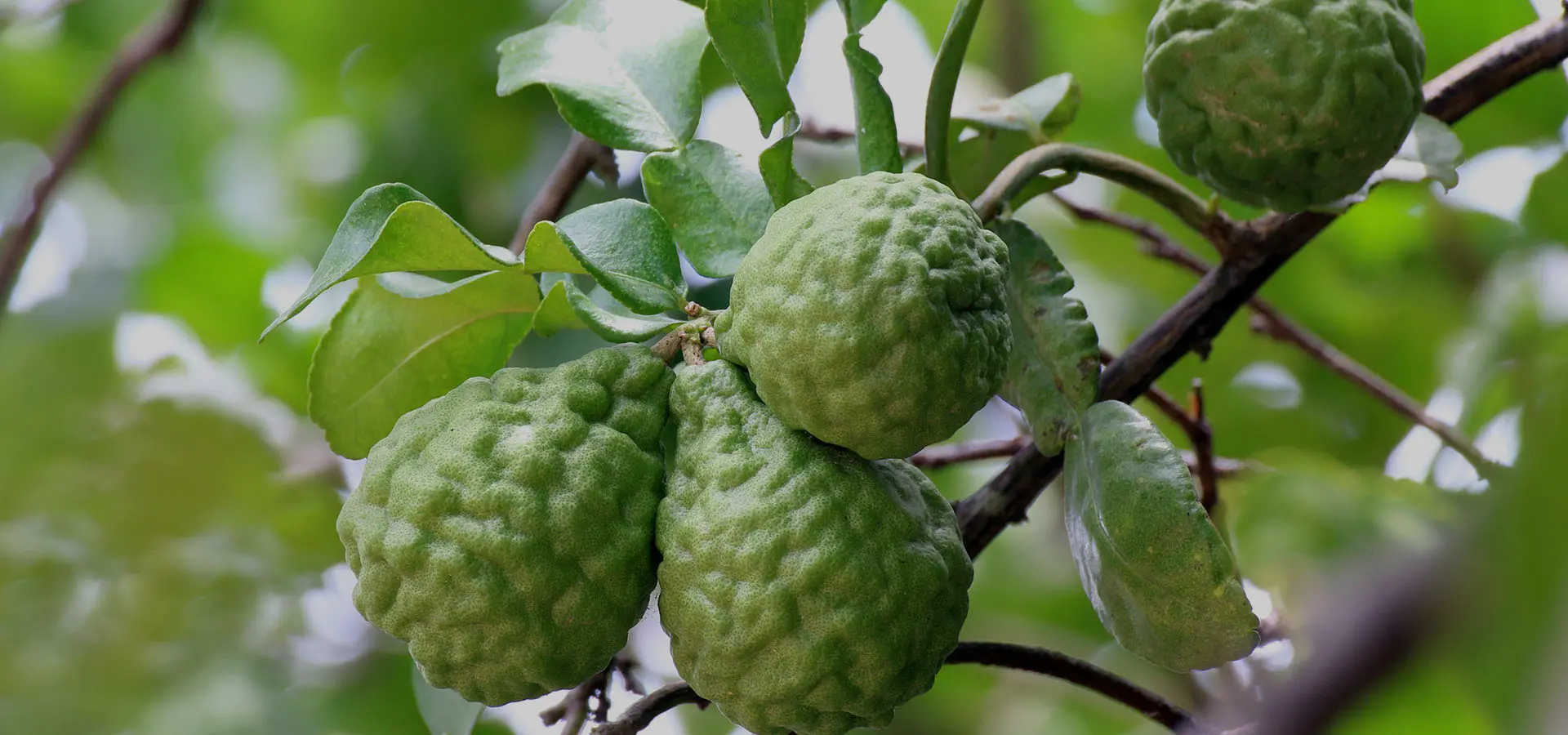
From herbal formulas recorded in ancient books to modern innovative drugs, plant extracts occupy the prominent position in the pharmaceutical industry due to their natural active ingredients and unique pharmacological effects.
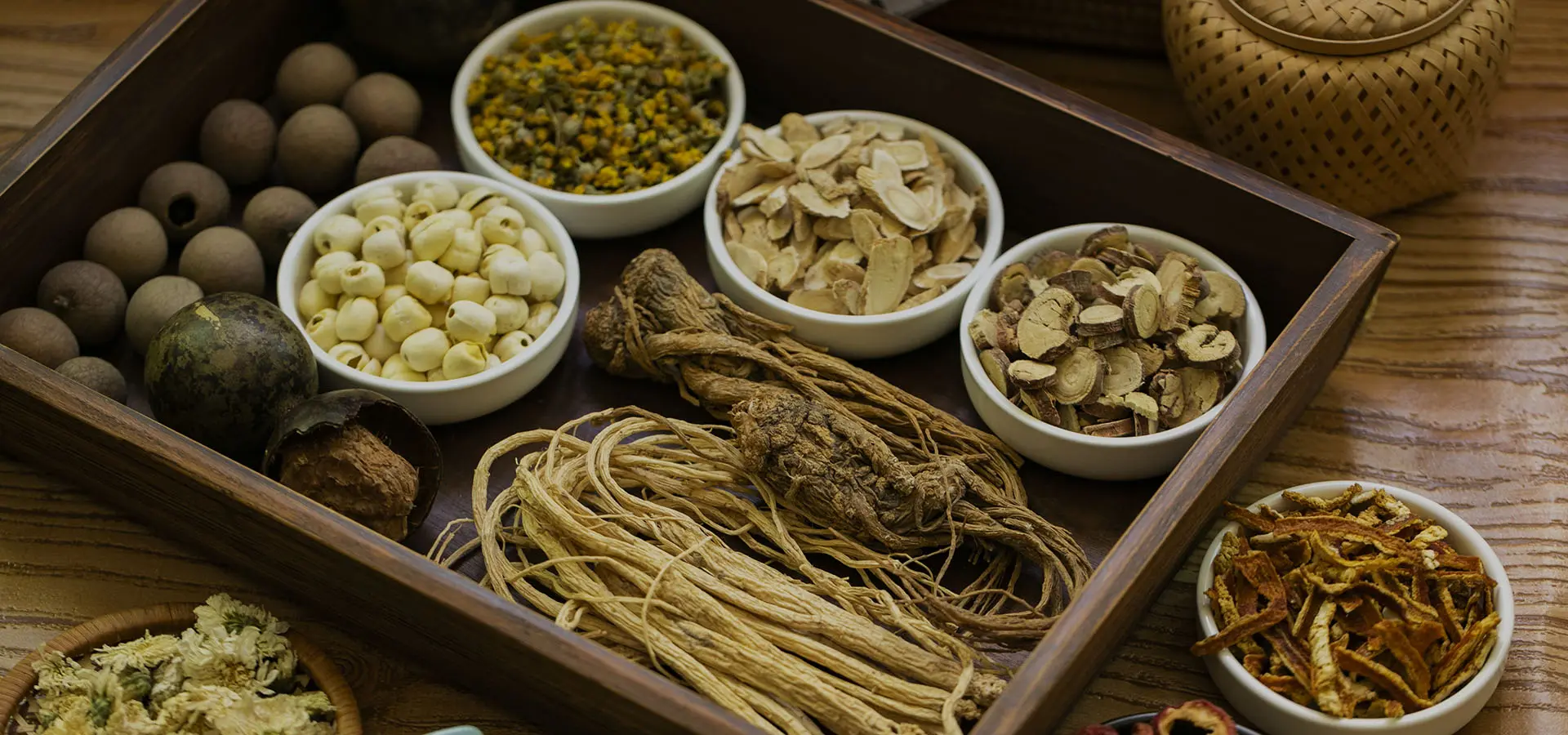
With consumers' pursuit of natural, safe, and sustainable skincare concepts, plant extracts have become a new favorite in the cosmetics industry due to their mildness, versatility, and biocompatibility, bringing new solutions for skin care.
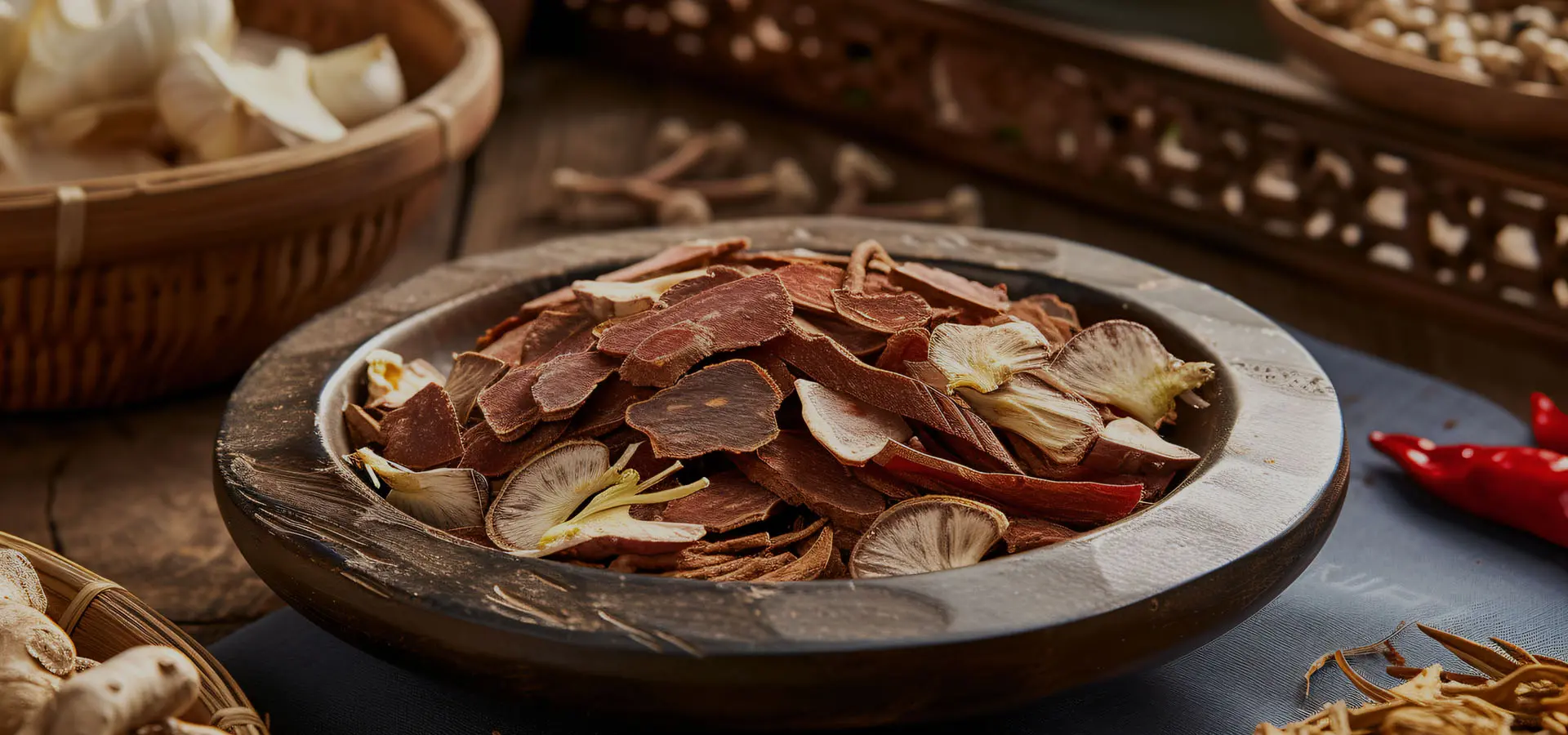
Plant extracts have shown great potential in improving animal health, enhancing production performance and optimizing culture benefits, and are gradually becoming a research hotspot and new favorite in the field of animal nutrition.
Choose Chenlv Herb for raw materials, manufacturing standards, and clinical charts that exceed expectations.
Creative designs and tailored chemical extraction techniques that elevate your brand and ensure high diagnostic accuracy.
Eco-friendly packaging and optimized laboratory systems aligned with contemporary medical & sustainability values.
End-to-end green extraction and raw material solutions designed to limit carbon impact while maintaining extreme purity.
Fast turnaround to meet clinical study timelines, laboratory schedules, and diagnostic product launches globally.
A dedicated medical and scientific team supporting you with full documentation (COA, HPLC profiles, MSDS) every step of the way.
Years of biological and chemical expertise, ensuring precision, compliance, and excellence in every batch.
Chenlv Herb provides one-stop contract manufacturing and diagnostic OEM solutions.
Communicate with customers to determine product specifications, visual requirements, or compound purity parameters.
Provide a detailed proposal quotation and raw material estimation based on customer requirements.
Sign a formal contract to finalize technical specifications, pricing, and project milestones.
Develop initial lab-scale samples or pre-production card proofs for client evaluation.
After customers confirm the samples, our GMP-aligned factory schedules bulk manufacturing.
Perform strict quality checks, chromatographic calibration, and issue a Certificate of Analysis (COA).
Deliver finished items via temperature-controlled shipping networks or air freight with complete compliance documents.
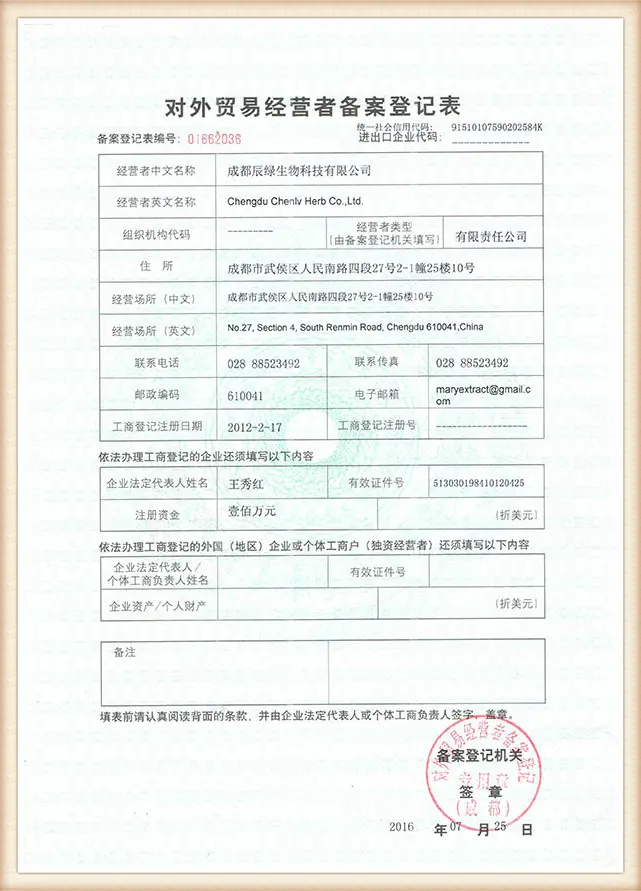
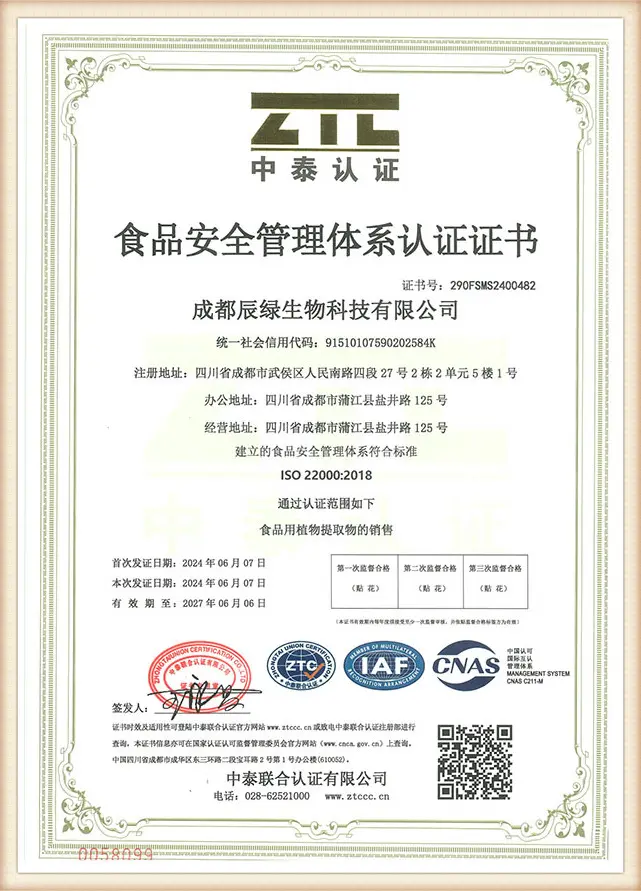
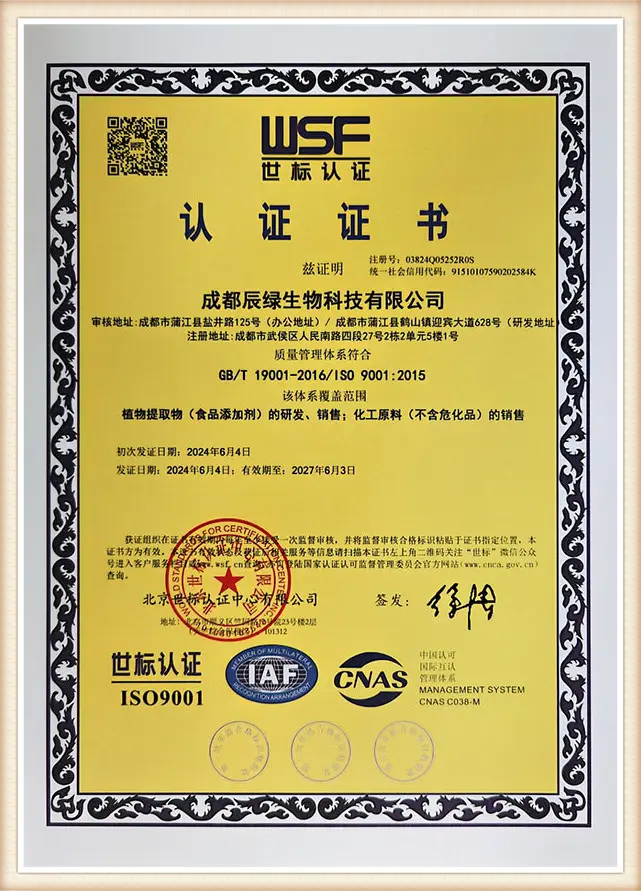
Our facility operates under strict global standard guidelines to ensure reliability and safety.
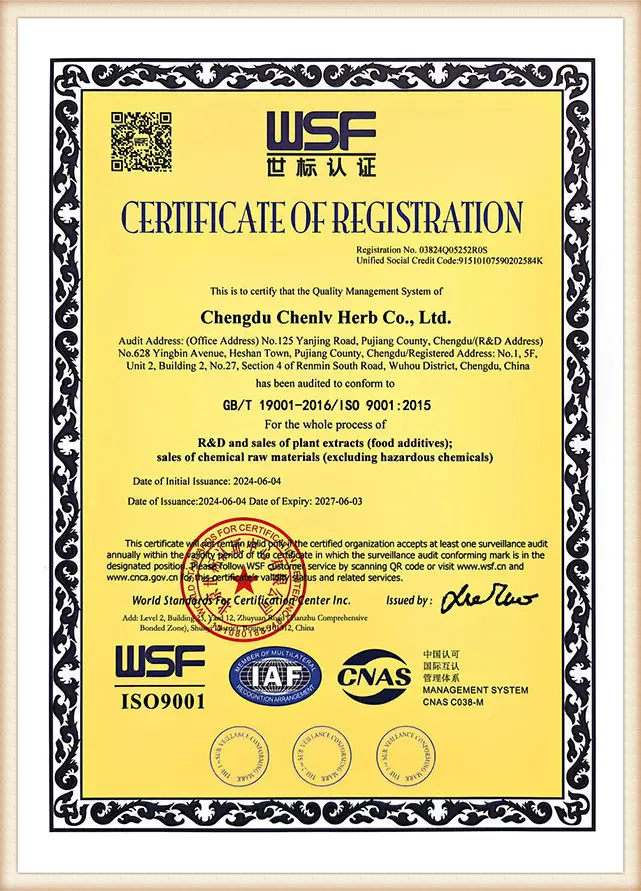
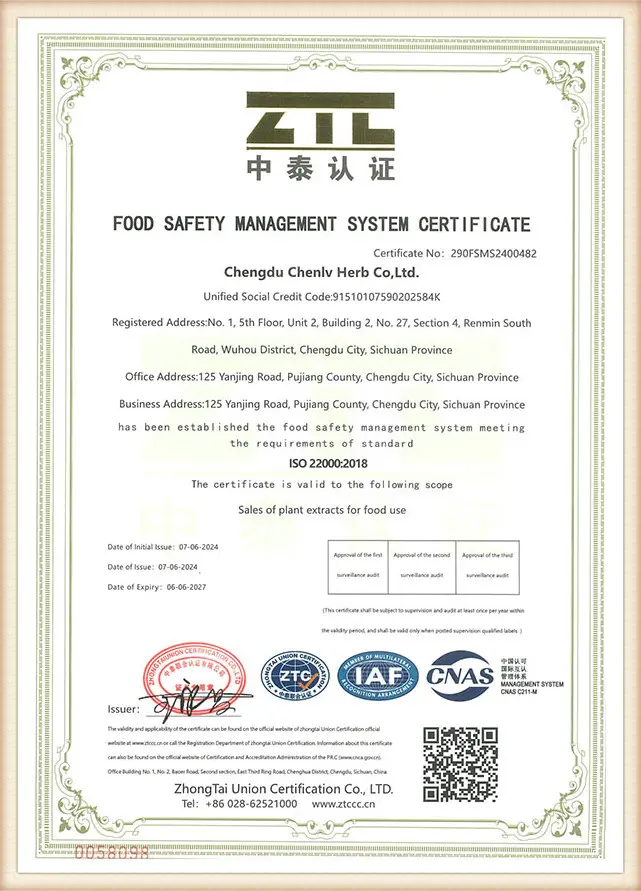
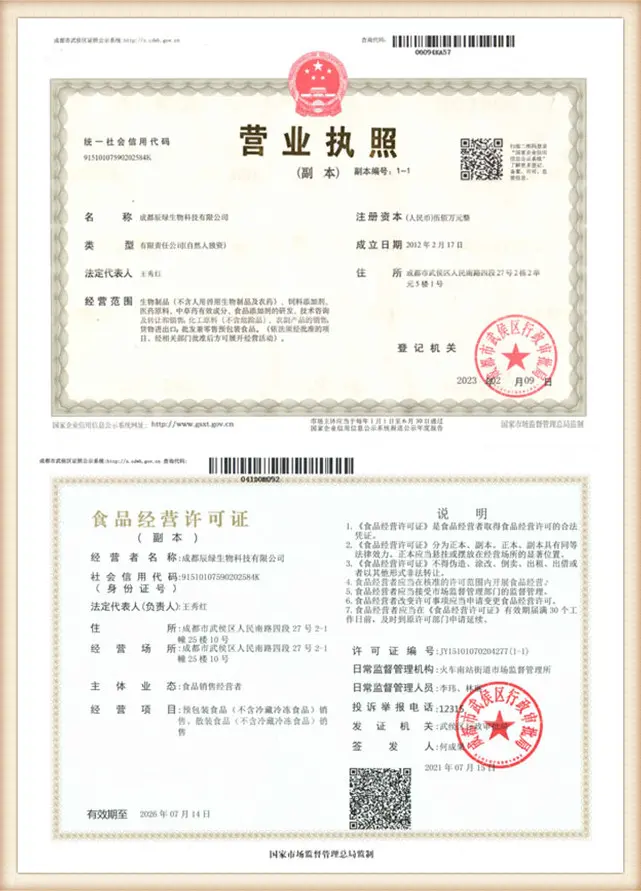
Keep up with raw material trends, pricing analyses, and global biological events.
The market price of Citrus aurantium raw materials in China is trending upward as the harvest season ends. Supply chain constraints and cost inputs are shaping export dynamics for natural extracts, influencing product availability in the medical and functional food sectors.
As a prominent international gateway for China's pharmaceutical industry, CPHI China 2025 will showcase our latest advancements in natural plant extraction and raw ingredient solutions. We warmly invite global partners to explore custom chemical developments.
We are excited to share new biotechnological protocols and high-purity standards at the China Import and Export Fair Exhibition Hall. Meet our research scientists to discuss custom purification, assay calibrations, and long-term contracts.
In-depth clinical and technical answers regarding color metrics, biochemical pathways, and sourcing requirements.
Under normal physiology, bilirubin produced from red blood cell breakdown is processed by the liver and excreted with bile into the digestive tract. Inside the gut, it converts to stercobilin, which gives feces a healthy brown, gold, or green color. A lack of this biliary pigment, caused by issues like biliary atresia or severe neonatal hepatitis, prevents conjugated bilirubin from reaching the stool, resulting in a pale, white, or light yellow appearance.
Because these cards function as early diagnostic screening tools, buyers should seek suppliers with ISO 13485 certification (Medical Devices Quality Management). Additionally, the prints must undergo D65 spectrophotometer verification, ensuring they meet tight ΔE (Delta E) tolerances. Non-toxic certificates (such as REACH or RoHS compliance) are also essential since parents and medical staff will handle them regularly.
High humidity, heat, and direct sunlight degrade standard printing inks, causing yellow and red channels to fade, which leads to diagnostic errors. To solve this, quality manufacturers utilize UV-stable ink formulations paired with a matte-laminated finish. This process maintains color accuracy for several years in diverse climates.
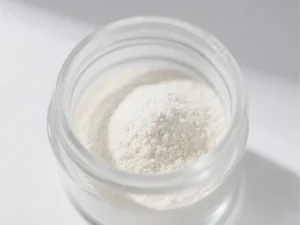
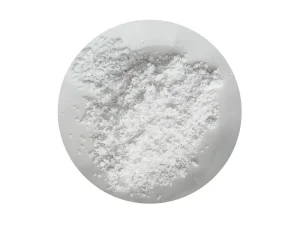
Yes, compounds like Deoxycholic Acid and Taurodeoxycholate Acid Sodium are highly sought after as reference matrix calibrators in clinical diagnostics. They help researchers mimic biological environments, allowing laboratory equipment to evaluate and compare bilirubin absorption rates accurately.
Completing our pharmaceutical and diagnostic support portfolio with standardized extracts and chemical solutions.
 Chenlv Herb