Direct from FDA-Registered, GMP-Certified Manufacturing Facility. Advanced Analytical Profile Verification on Every Batch.
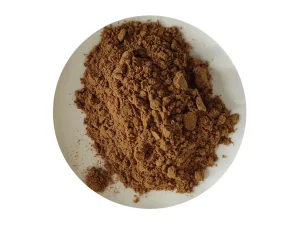
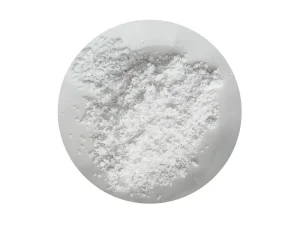
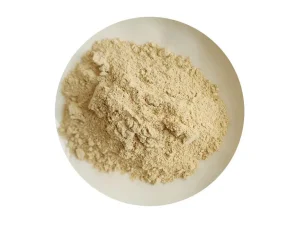
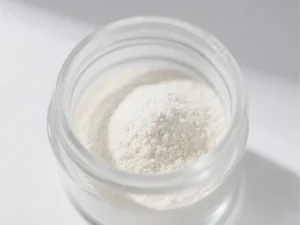
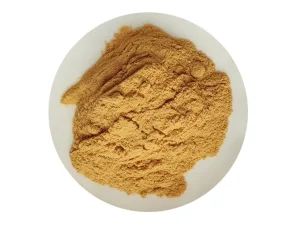
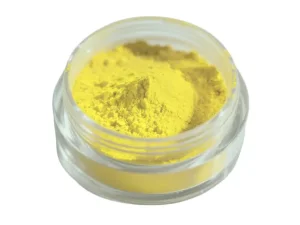
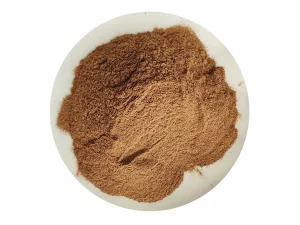
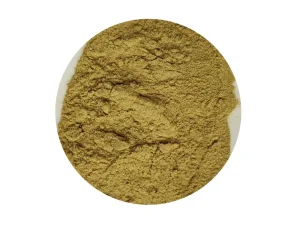
Rutoside, universally documented as Rutin or Sophorin, is a low-toxicity flavonol glycoside comprised of quercetin chemically bound to the disaccharide rutinose. Symbolized as Vitamin P (often designated within the broader bioflavonoid class), this phytochemical compound serves a vital physiological role in reinforcing capillary strength, modulating inflammatory pathways, and neutralizing free radical species. The therapeutic and nutritional efficacy of Rutoside is strictly linked to its structural integrity. As an expert Wholesale Rutoside Vitamin Manufacturer, our extraction protocols target the preservation of this glycoside moiety, ensuring structural stability and standardized active profiles.
Commercially, Rutoside is distributed in several key grades to meet distinct downstream demands. NF11, DAB, EP (European Pharmacopoeia), USP (United States Pharmacopeia), and BP (British Pharmacopoeia) specifications represent the standardized frameworks dominating global commerce. Each framework dictates rigorous thresholds for active compound percentage (typically ranging between 95.0% and 101.5% on a dried basis), moisture content, ash, heavy metals, and residual solvents. Achieving these criteria demands deep botanical expertise, multi-stage crystallization systems, and advanced cleanroom operations.
The worldwide industrial demand for Rutoside has witnessed sustained growth, driven by shifts in consumer wellness, clinical research into vascular diseases, and an expanding cosmetics sector. In the Western hemisphere (primarily the United States and the European Union), the aging demographic has generated a surge in the procurement of natural cardio-protective agents. Rutoside represents a key active pharmaceutical ingredient (API) in formulations targeting chronic venous insufficiency (CVI), hemorrhoidal disease, and varicose veins. In parallel, the cosmetic sector utilizes Rutoside as a natural anti-aging shield, leveraging its UV-absorption capabilities and elastase-inhibiting properties.
From an procurement standpoint, purchasing teams face major challenges: price volatility of raw agricultural inputs (specifically Sophora japonica flower buds), changing regulatory compliance standards, and heavy metal contamination risks. Modern procurement structures favor suppliers who offer vertically integrated supply lines, consistent chromatographic analysis, and direct manufacturer pricing. In response to these market requirements, we implement advanced agricultural forecasting and automated processing to shield our partners from sharp pricing fluctuations.
For procurement officers, detailed technical specification sheets are necessary for raw material clearance. The following data outlines the physical and chemical requirements of our wholesale Rutoside Vitamin product line:
| Test Parameter | USP Standard Specification | EP / BP Standard Specification | Our Typical Batch Result |
|---|---|---|---|
| Assay (HPLC, Dry Basis) | 95.0% – 101.5% | 95.0% – 101.0% | 98.7% |
| Loss on Drying | ≤ 12.0% (Trihydrate) | 7.5% – 11.5% | 8.4% |
| Residue on Ignition | ≤ 0.1% | ≤ 0.1% | 0.05% |
| Heavy Metals (Pb, As, Cd, Hg) | ≤ 20 ppm (Total) | Meet limit tests | ≤ 10 ppm (Compliant) |
| Residual Solvents (Ethanol) | ≤ 5000 ppm | ≤ 5000 ppm | ≤ 1200 ppm |
| Pesticide Residues | USP <561> Compliant | EC 396/2005 Compliant | ND (Not Detected) |
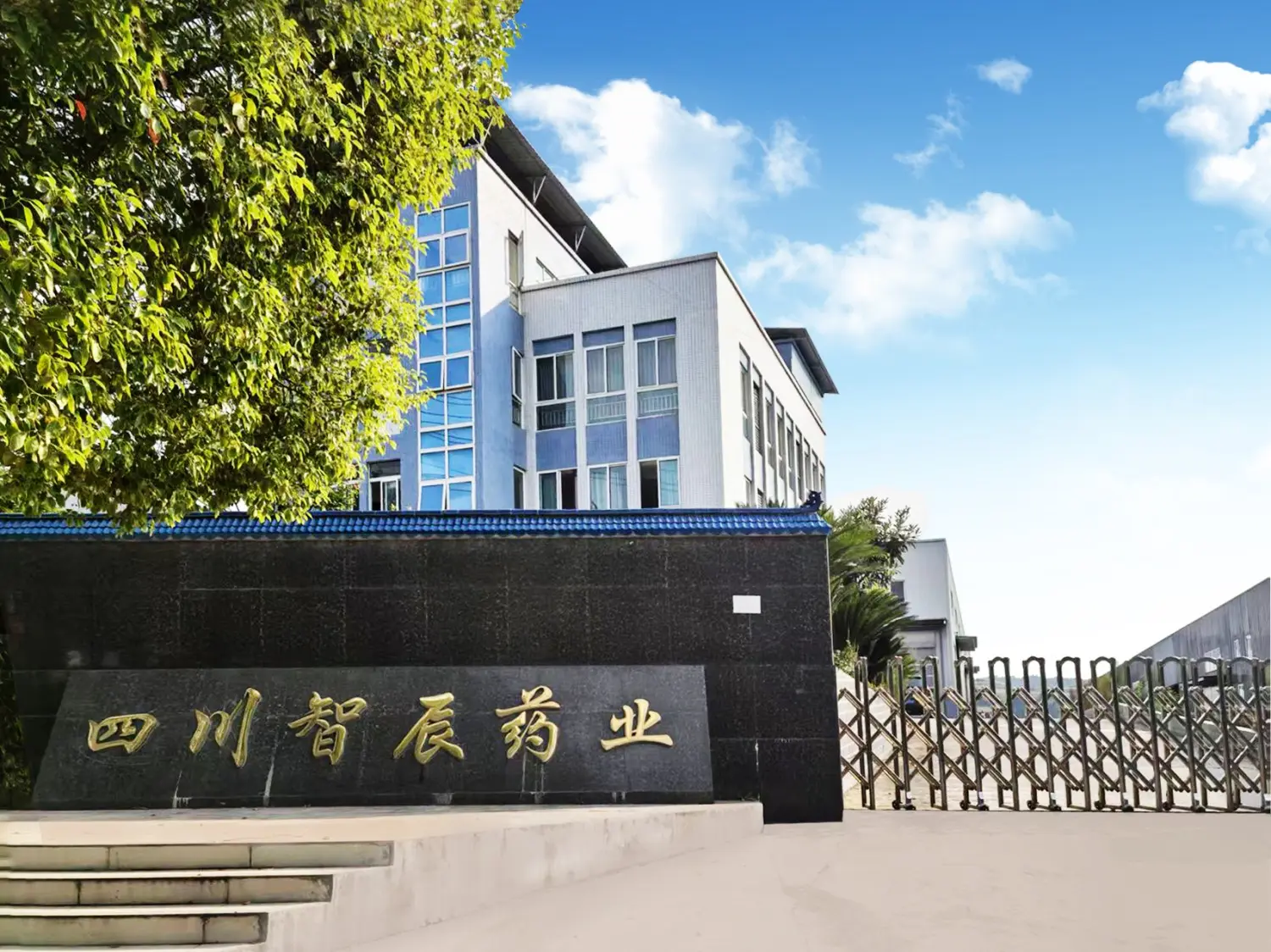
Established in 2012, Chengdu Chenlv Herb Co., Ltd. (Chenlv Herb) operates as a premier high-tech enterprise specializing in the R&D, production, and worldwide sales of botanical extracts and natural pharmaceutical ingredients. Focused on high-purity and active natural raw materials, we serve industries including pharmaceuticals, health supplements, food, and cosmetics.
Headquartered in Chengdu, China, our operations integrate raw material sourcing with advanced extraction processes and strict quality control. This structure ensures we meet the standards expected by our international clients.
Choose Chenlv Herb for products that deliver beyond expectations, backed by clinical rigor and technical superiority.


Discover how our botanical extracts and standardized Rutoside Vitamin raw materials power diverse global industries.
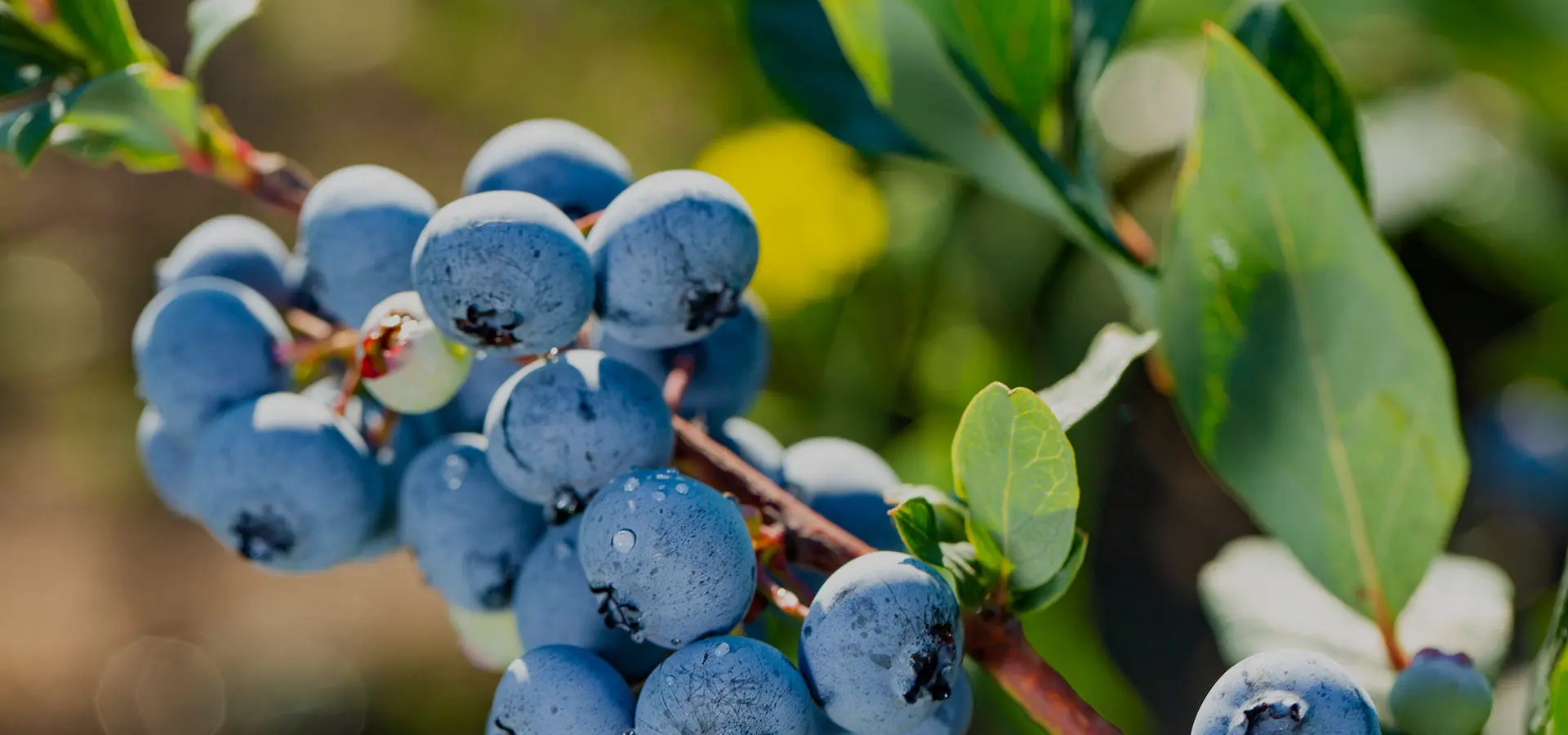

Driven by the concept of "homology of medicine and food", plant extracts are key raw materials for health supplements due to their natural characteristics.
Read More →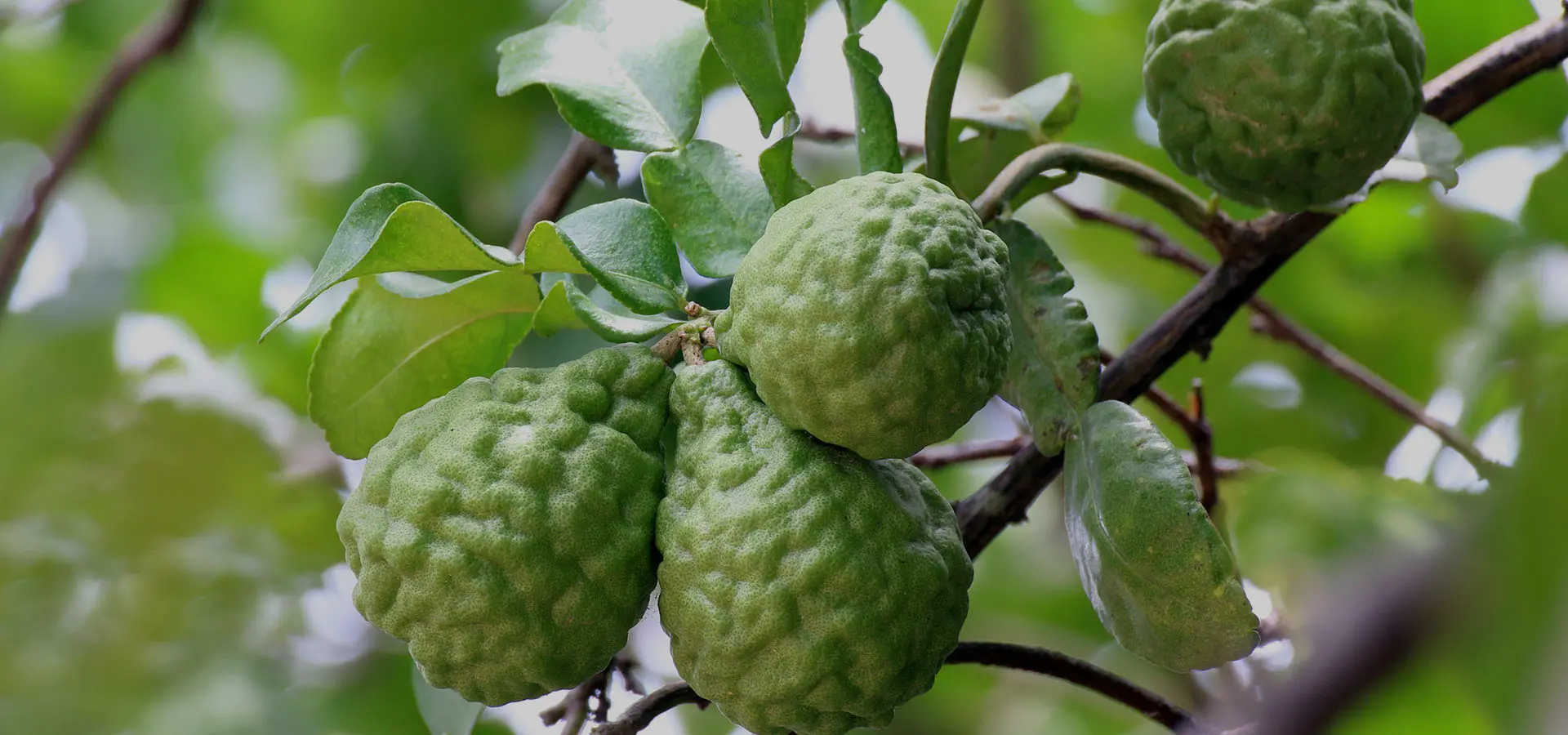

From traditional herbal formulas to modern innovative therapeutics, plant extracts provide active compounds with unique pharmacological profiles.
Read More →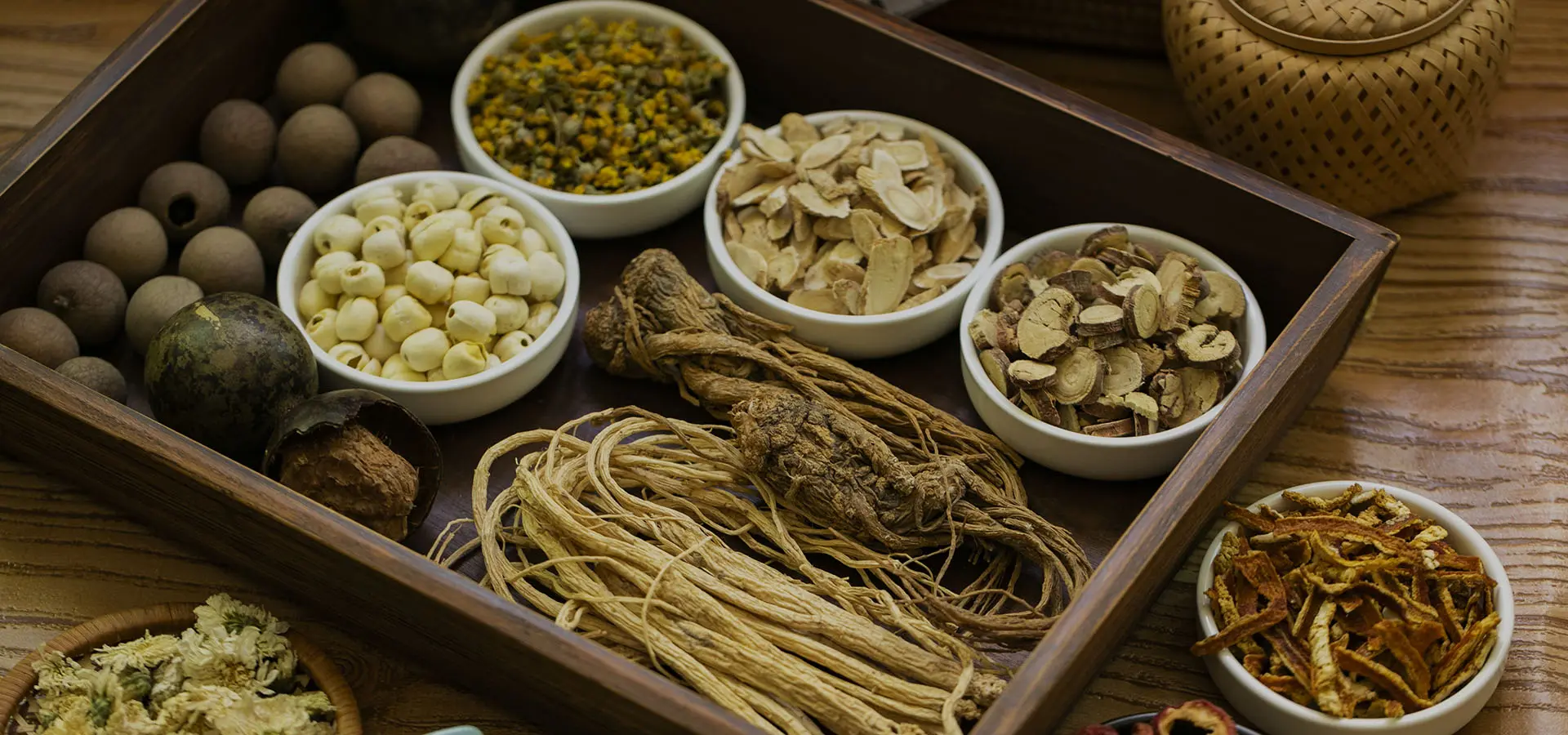

Natural, safe, and functional plant-derived extracts are highly sought after in skincare for their mildness, compatibility, and anti-aging properties.
Read More →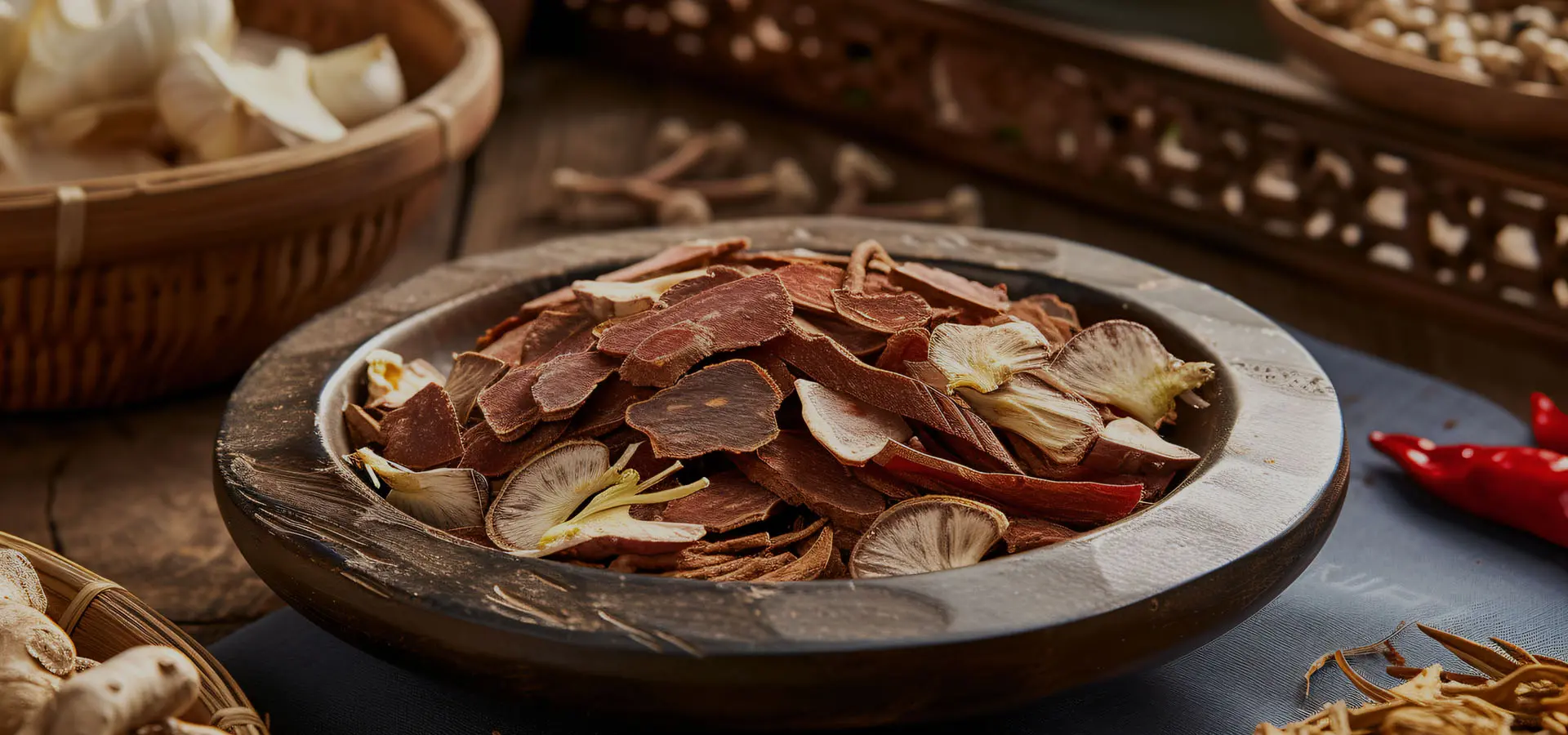

Plant extracts support animal health and performance, serving as effective, natural alternatives in modern feed formulations.
Read More →The global supply chain for raw botanical extracts relies heavily on Chinese industrial hubs. This specialization is driven by agricultural abundance, technical infrastructure, and supply chain integration. The primary source material for commercial Rutoside extraction—the flower buds of Sophora japonica L. (also known as Huai Mi)—is cultivated extensively across provinces like Shaanxi, Henan, and Shandong. Because these cultivation zones are located close to major industrial extract factories in Shaanxi and Sichuan, transportation times are minimized, preserving the delicate bioflavonoids prior to processing.
Beyond agricultural geography, the structural efficiency of Chinese extraction plants is driven by:
To meet international quality standards like USP, EP, and ChP, modern extraction processes utilize advanced refining steps. Raw Sophora japonica flower buds are extracted using water or hydro-ethanolic mixtures under controlled thermal conditions. The raw liquor is then filtered, concentrated, and crystallized. Next, multi-stage recrystallization steps are applied to eliminate impurities, including free quercetin, rutinose, and heavy metals.
High-Performance Liquid Chromatography (HPLC) coupled with Diode Array Detection (DAD) serves as the primary analytical tool for quality verification. This methodology distinguishes intact Rutoside from structurally similar flavonoids, preventing adulteration or mislabeled assays. Our laboratory verifies critical metrics, including pesticide screen compliance, heavy metal testing (ICP-MS), and residual solvent verification (GC-Headspace), ensuring every batch is backed by a verifiable Certificate of Analysis (CoA).
Purity Verification: Standardized strictly using USP/EP reference materials. Impurity profiles are analyzed using HPLC to verify that total related substances remain under 2.0% and free Quercetin does not exceed 1.0%.
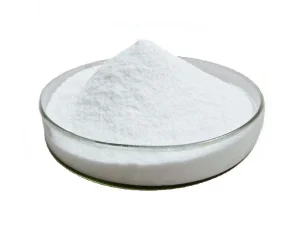
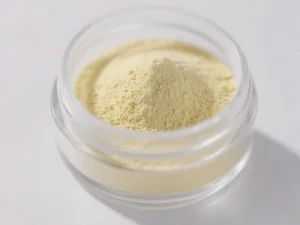
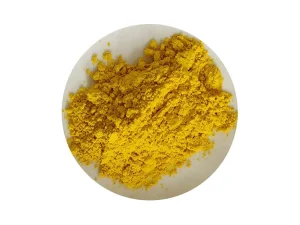
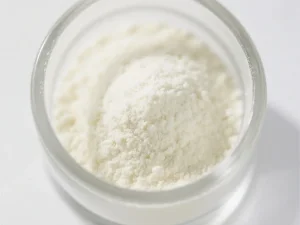
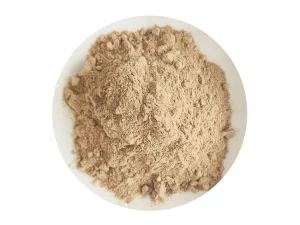
Physical Characteristics: Fine, greenish-yellow crystalline powder, odor-free, exhibiting uniform mesh passage (typically 95% passing through an 80-mesh screen).
The botanical extract industry is increasingly focusing on transparency and sustainability. Modern procurement teams prioritize suppliers who implement clean label processes and maintain robust supply chains. This shift has accelerated the adoption of green chemistry practices, such as replacing chlorinated solvents with food-grade ethanol and purified water. Furthermore, trace residue control, particularly regarding ethylene oxide (EtO) and pyrrolizidine alkaloids, has become a key requirement for importing ingredients into European and North American markets.
To mitigate compliance risks, global buyers are shifting from transactional purchasing to strategic partnerships. By establishing contract manufacturing agreements with certified producers, buyers can secure stable volumes, lock in pricing, and customize physical parameters like particle size and tap density. This proactive approach ensures a consistent supply of compliant raw materials for downstream production.
Chenlv Herb provides one-stop contract manufacturing services, translating your specifications into certified functional ingredients.
 01
01
We consult with clients to detail requirements and target parameters.
 02
02
We provide a comprehensive quote based on specifications and volumes.
 03
03
We execute formal agreements outlining lead times and QC terms.
 04
04
We produce and verify pilot samples against required test profiles.
 05
05
Upon sample approval, we initiate commercial-scale manufacturing runs.
 06
06
We test the final batch and issue a detailed Certificate of Analysis (CoA).
 07
07
We coordinate secure dispatch, export customs, and global logistics.
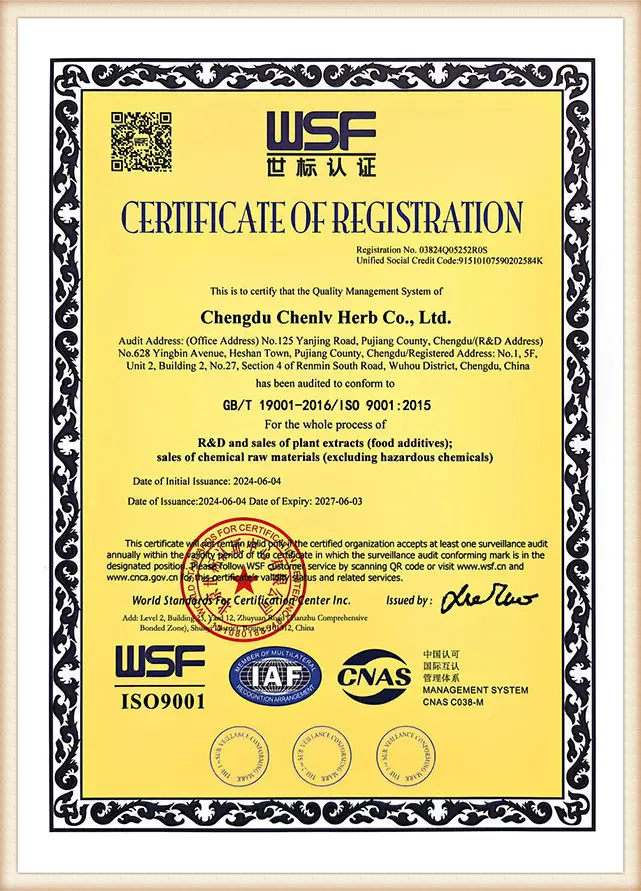
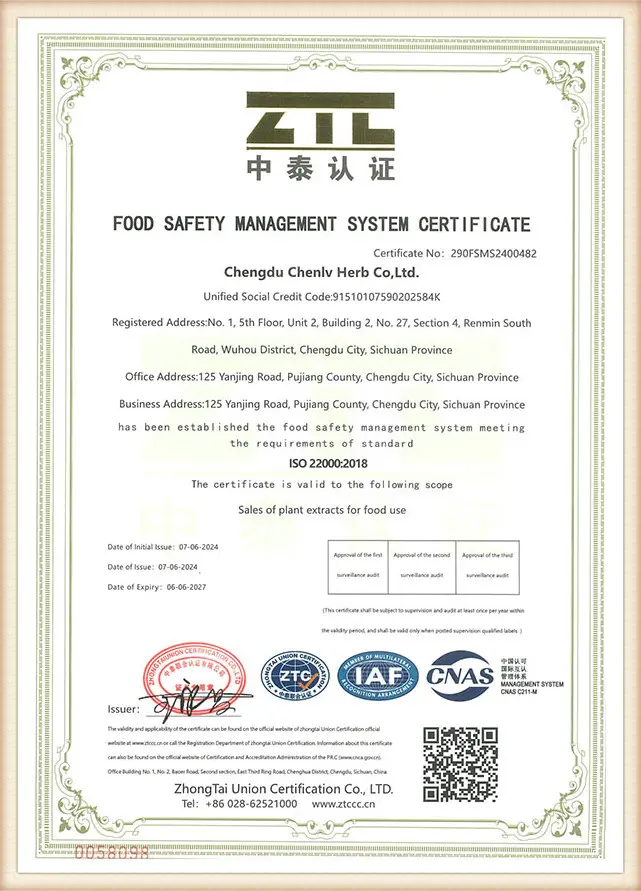
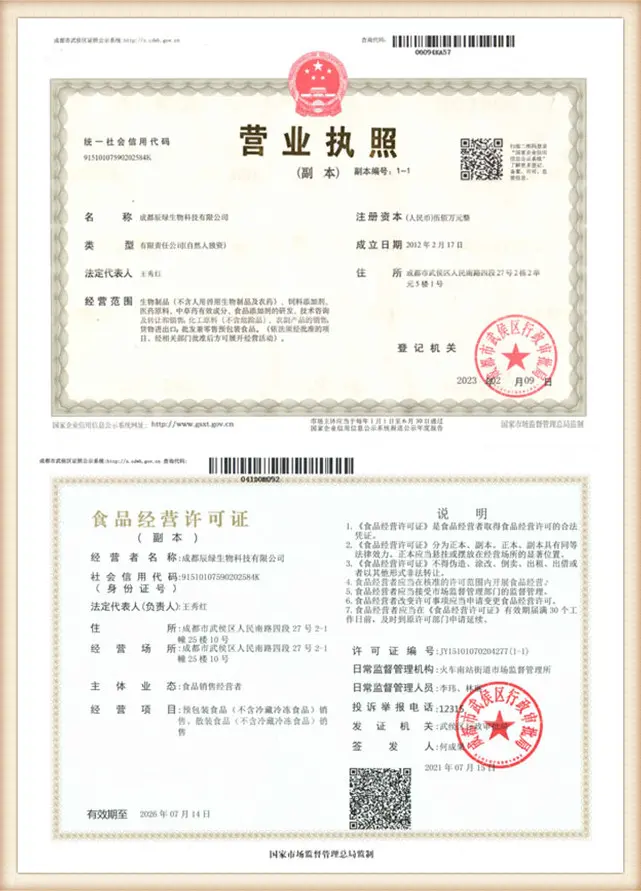
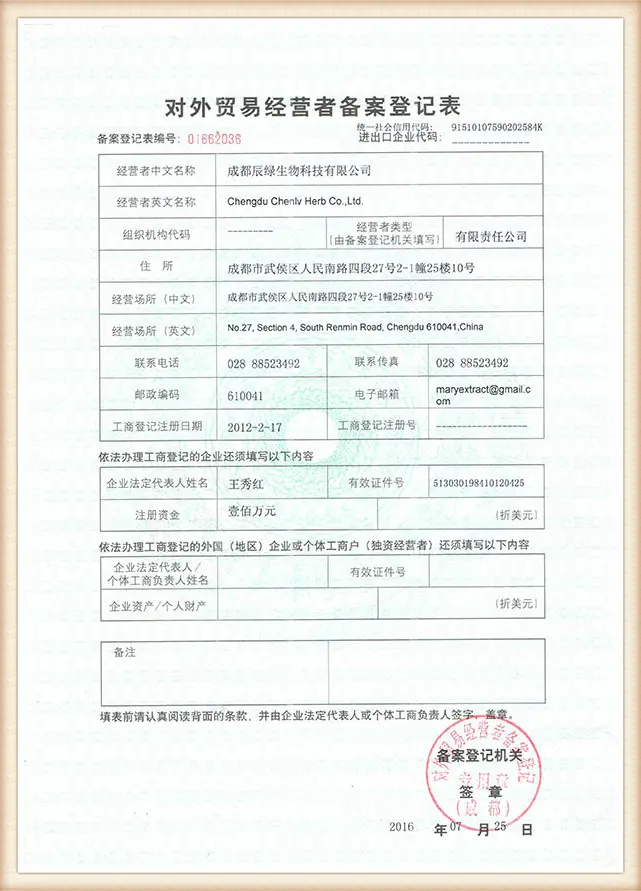
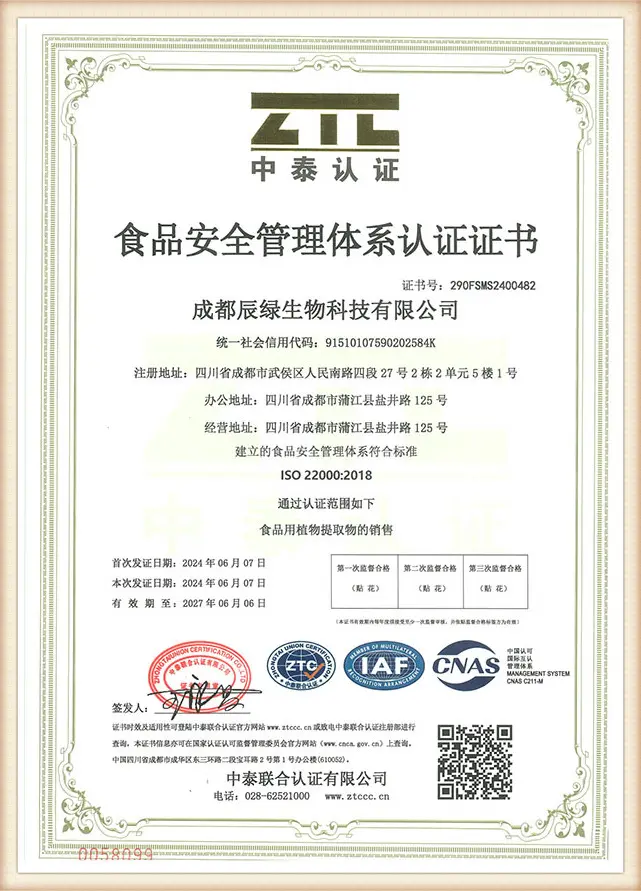
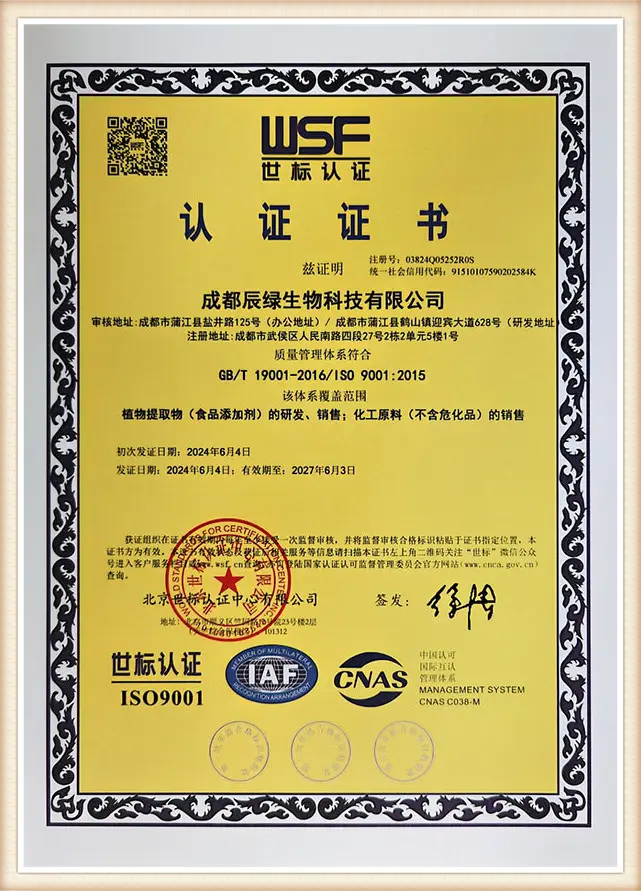
Our facilities and processes strictly adhere to international standards, verified by leading global bodies.
Expert answers addressing chemical properties, storage, regulatory compliance, and industrial procurement.
Stay informed on market trends, research developments, and updates from Chenlv Herb.
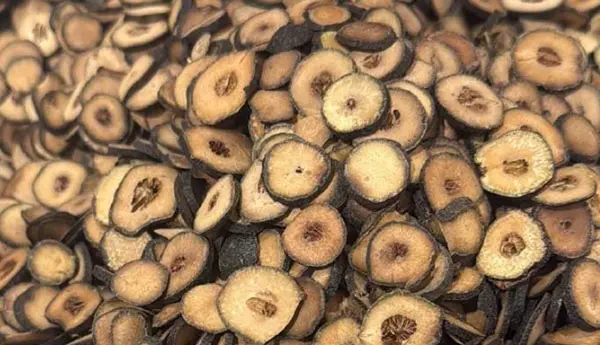
Analysis of how raw material price changes impact botanical extracts and strategic sourcing strategies for procurement teams.
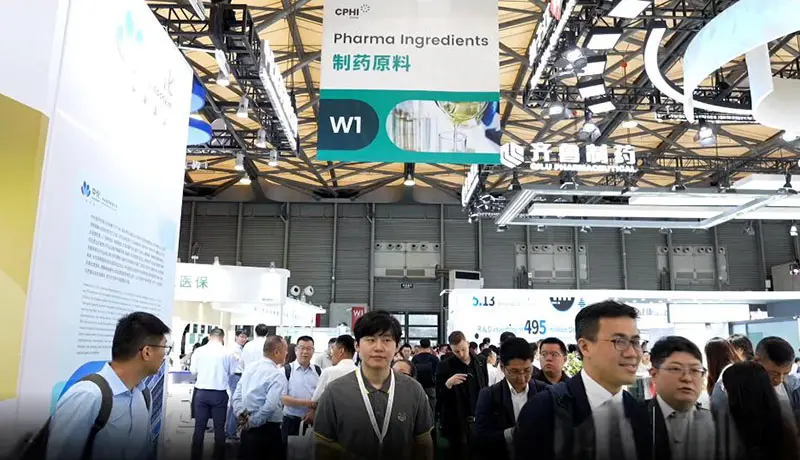
Join us at CPHI China to discuss extraction technologies and explore partnerships in botanical ingredients.
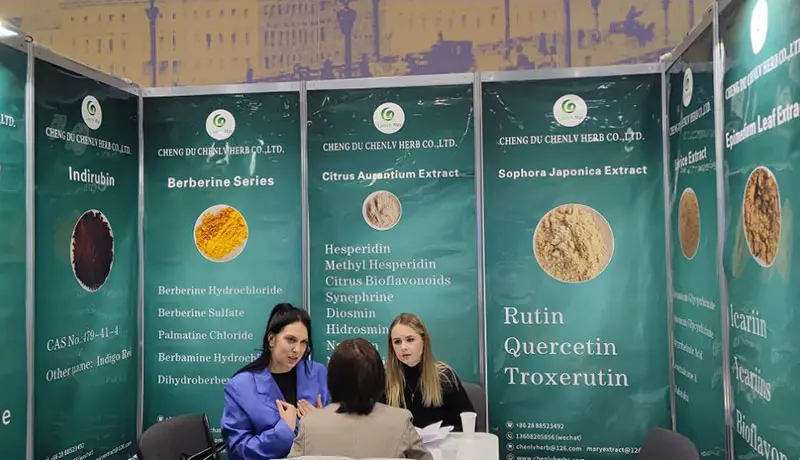
We will showcase our latest research and high-purity botanical raw materials at API China in Guangzhou.
For inquiries about our products or pricing, submit your email address and our team will get back to you within 24 hours.
Direct from FDA-Registered, GMP-Certified Manufacturing Facility. Advanced Analytical Profile Verification on Every Batch.
 Chenlv Herb