 Chenlv Herb
Industrial White Paper: The Role of Natural APIs in the Evolution of Australian Biosecurity & Phytopharmaceuticals
The global pharmaceutical landscape is undergoing a structural transition. Chemical synthesis, which dominated the 20th century, is increasingly sharing the stage with naturally derived bioactive molecules—commonly classified as Natural Active Pharmaceutical Ingredients (Natural APIs). In the Australian market, this transition is amplified by unique geographic characteristics, a highly demanding regulatory framework, and shifting consumer paradigms toward clean-label, bio-based health solutions.
1. The Australian Natural API & Phytopharmaceutical Industry Landscape
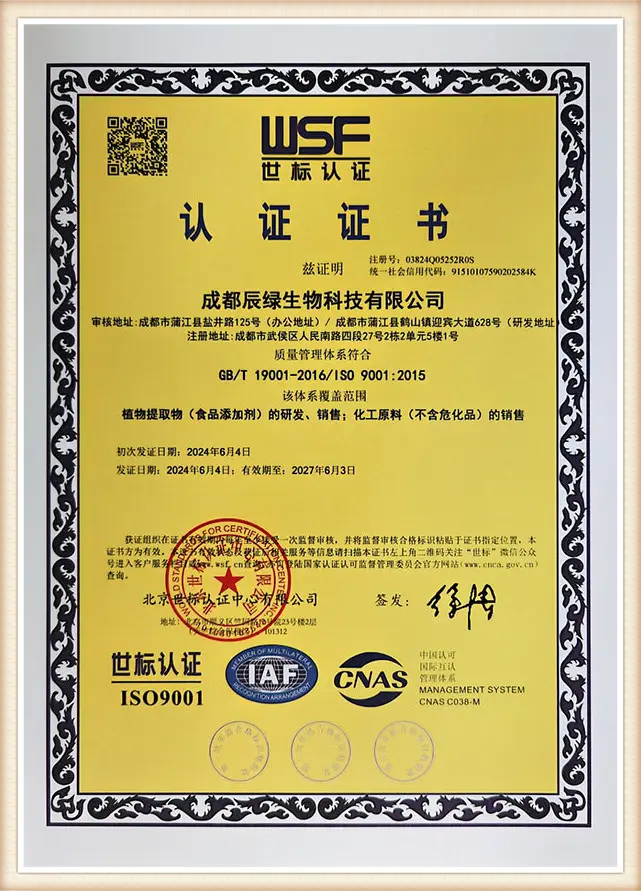
Australia boasts one of the most sophisticated healthcare and wellness markets globally. Managed strictly under the purview of the Therapeutic Goods Administration (TGA), complementary medicines are treated with the same scientific rigor as prescription pharmaceuticals. In this environment, raw materials cannot simply rely on traditional usage claims; they must demonstrate chemical consistency, structural integrity, and clinical safety.
Local industrial demands focus heavily on standardization. Unlike raw plant powders, Natural APIs are isolated, purified, and quantified molecular substances that deliver predictable, dose-dependent pharmacological effects. From Melbourne’s advanced bio-manufacturing hubs to Sydney’s clinical research organizations, there is an escalating demand for reliable imports of high-purity chemical constituents, including alkaloids, flavonoids, and glycosides. The Australian domestic sector relies on robust international supply chains to fuel its $5.6 billion complementary medicine industry, making the role of certified, E-E-A-T validated manufacturers crucial.
2. Global Market Dynamics: Sourcing and Supply Chain Security
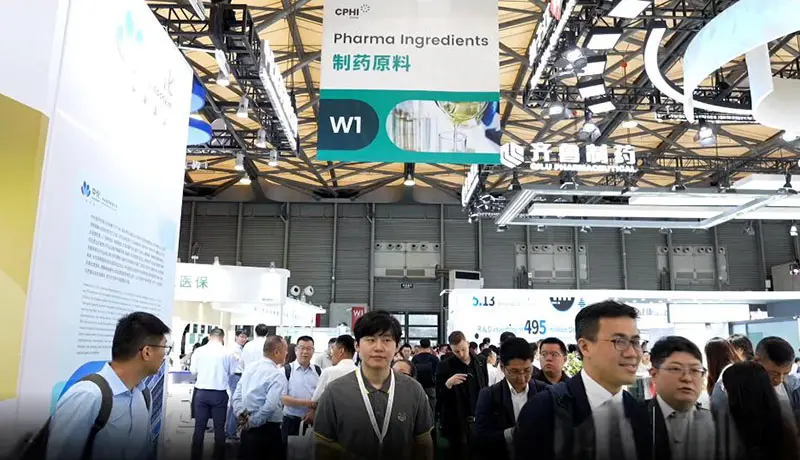
On a global scale, the production of Natural APIs is highly specialized. It requires access to rich botanical sources, advanced chemical engineering infrastructure, and adherence to international Good Manufacturing Practices (GMP). China and India remain the primary hubs for raw herbal extraction, while Western nations, including Australia, serve as premium formulation, packaging, and clinical trial centers.
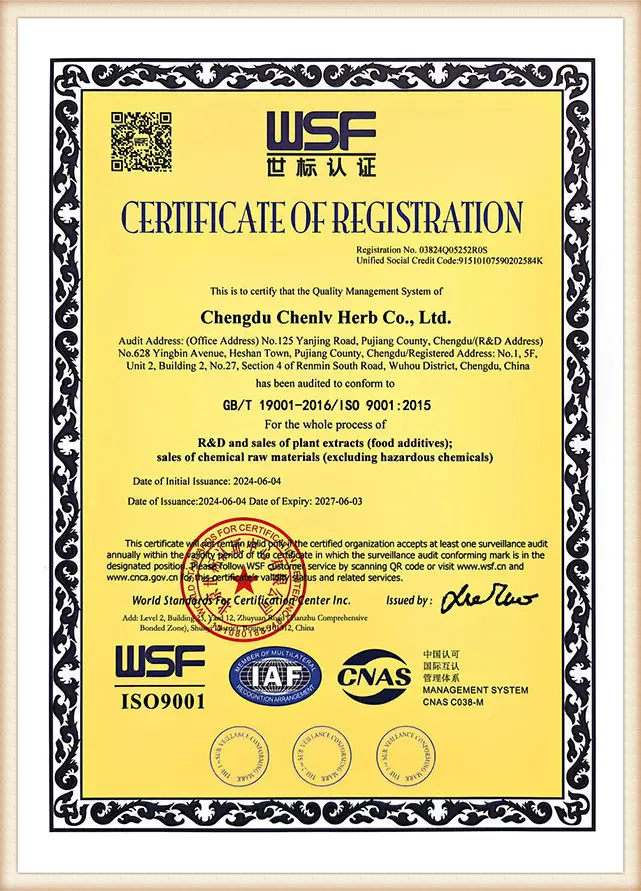
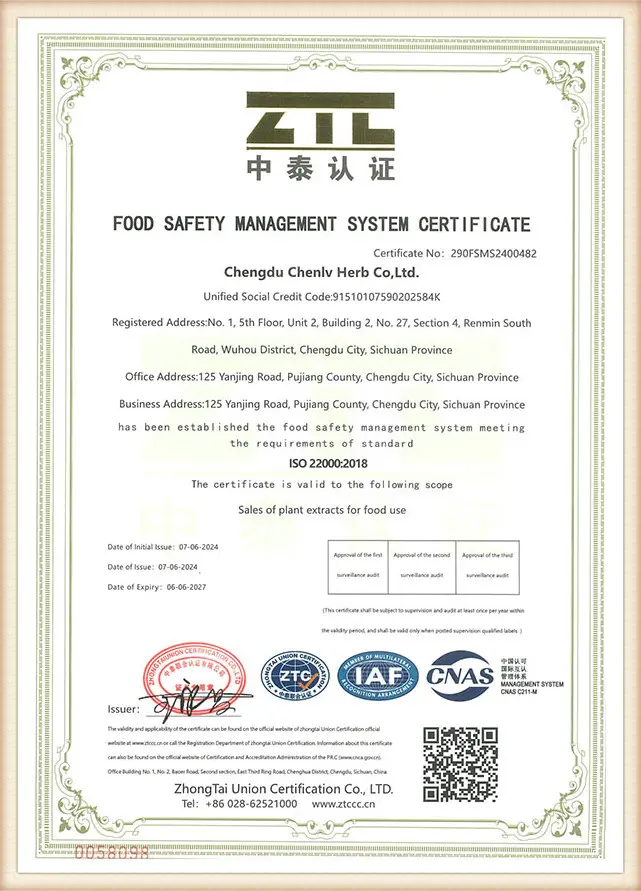
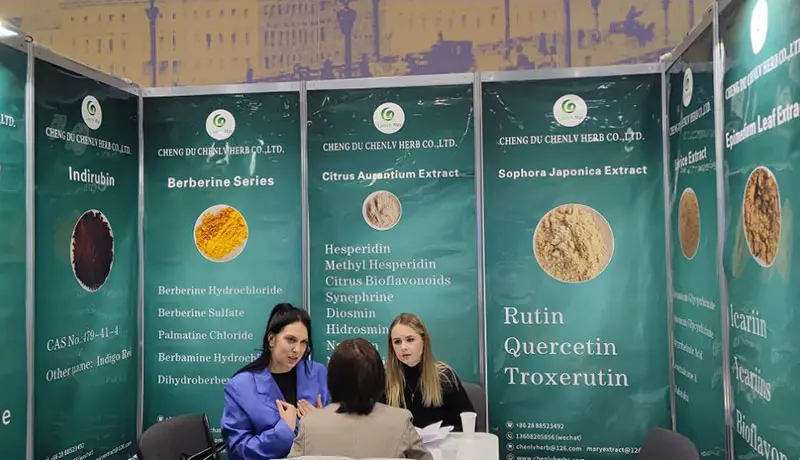
However, the global supply chain faces dual pressures: climate-induced agricultural volatility and tightening international quality guidelines. For instance, supply chains for citrus-derived bioflavonoids (such as Hesperidin and Naringin) have experienced significant pricing spikes due to shifting crop yields. To combat these bottlenecks, leading suppliers like Chengdu Chenlv Herb have invested in large-scale agricultural monitoring, direct contract farming, and advanced molecular extraction technologies to guarantee pricing stability and raw material continuity for overseas partners, particularly those operating under strict Australian biosecurity regulations.
3. Future Trends: The Convergence of Green Chemistry and Biotechnology
The future of Natural APIs lies in the alignment of extraction techniques with sustainability principles. Green chemistry is no longer a marketing buzzword; it is an industrial necessity. Modern extraction methodologies are shifting away from chlorinated solvents toward sustainable alternatives:
- Supercritical Fluid Extraction (SFE-CO2): Utilizes pressurized carbon dioxide as a non-toxic solvent to isolate heat-sensitive bioactive lipids and essential oils.
- Enzymatic Pre-treatment: Employs natural enzymes (cellulases, pectinases) to degrade plant cell walls gently, yielding higher active ingredient outputs without structural degradation.
- Macroporous Resin Chromatography: Provides molecular-level separation to remove unwanted impurities, heavy metals, and pesticide residues while concentrating targeted actives.
Furthermore, standardizing the molecular fingerprint via High-Performance Liquid Chromatography (HPLC) and Liquid Chromatography-Mass Spectrometry (LC-MS) ensures that every batch dispatched to Australia matches the exact molecular layout required by TGA formulation standards.
Industrial Insight: The Anti-Inflammatory & Metabolic Synergy
Recent clinical studies in Australia suggest that combining high-purity Berberine Hydrochloride with bioflavonoids like Luteolin or Apigenin creates a synergistic effect, modulating metabolic pathways (AMPK) and cellular inflammatory cytokines far more effectively than isolated compounds. Formulators are capitalizing on this research to design complex, multi-target natural medicines.
4. Technology Roadmap for Clean Phytochemical Sourcing
Establishing a dependable phytochemical extraction line requires a structured technical roadmap that balances scalability with analytical purity. At Chenlv Herb, this roadmap is divided into three distinct phases:
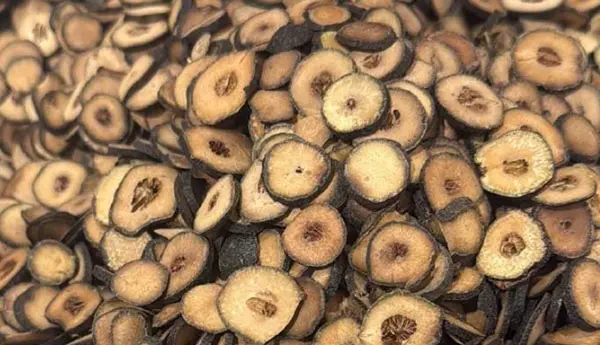
Phase I: Botanical Fingerprinting and Agricultural Selection. Active constituents vary wildly based on climate, soil quality, and harvest timing. By standardizing the seed varieties and farming practices, we control the active compound concentrations from the ground up.
Phase II: Precision Molecular Isolation. Using temperature-controlled multi-stage countercurrent extraction systems, plant biomass is processed to maximize yield. Chromatographic separation columns then isolate target fractions (such as Dihydroquercetin or Troxerutin) to purities exceeding 98%.
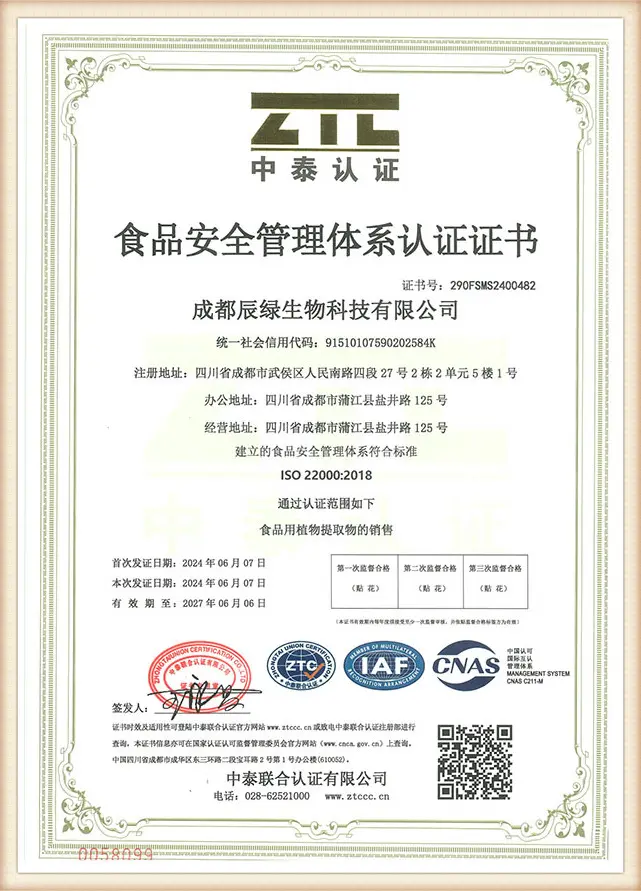
Phase III: Biosecurity and Compliance Verification. The final powders undergo comprehensive sterilization and particle-size optimization (micronization) to ensure high dissolution rates. The batches are certified free from ethylene oxide (EtO), PAHs, heavy metals, and irradiation, aligning seamlessly with Australian Import Quarantine Requirements.
5. Macro Industry Solutions: Beyond Raw Materials
To succeed in the highly competitive Australian pharmacy and health foods landscape, brands need more than just raw powders. They require complete, ready-to-formulate solutions. This is where Chengdu Chenlv Herb's contract manufacturing capabilities shine. By offering pre-formulated granulations, custom extraction ratios, and collaborative product development, we help local brands shorten their time-to-market. Whether it is a water-soluble formulation of Tetrahydrocurcumin for cosmetic serums or a high-density, directly compressible grade of Andrographolide for immune tablets, our macro industrial solutions bridge the gap between chemical synthesis and natural purity.